The domestic gold price experienced a minor downward correction of ₹10 to trade at ₹1,45,630 per 10 grams, while silver fell by ₹100 to settle at ₹2,49,900 per kilogram. The marginal price shifts reflect routine technical consolidation driven by stabilizing international bond yields and quiet seasonal retail physical demand.
MUMBAI — In a period of steady macro consolidation, the spot gold price recorded a marginal downward correction in domestic trading, shedding ₹10 to settle at ₹1,45,630 per 10 grams. Concurrently, silver followed a similar downward trajectory, falling by ₹100 to trade at ₹2,49,900 per kilogram. The minor price adjustments, confirmed by spot exchange data on June 12, 2026, reflect a stabilizing trend across international bullion hubs as global bond yields firm up and local jewelry buyers briefly pause large-scale physical acquisitions ahead of the mid-year wedding season.
Macroeconomic Drivers Adjusting Bullion Rates
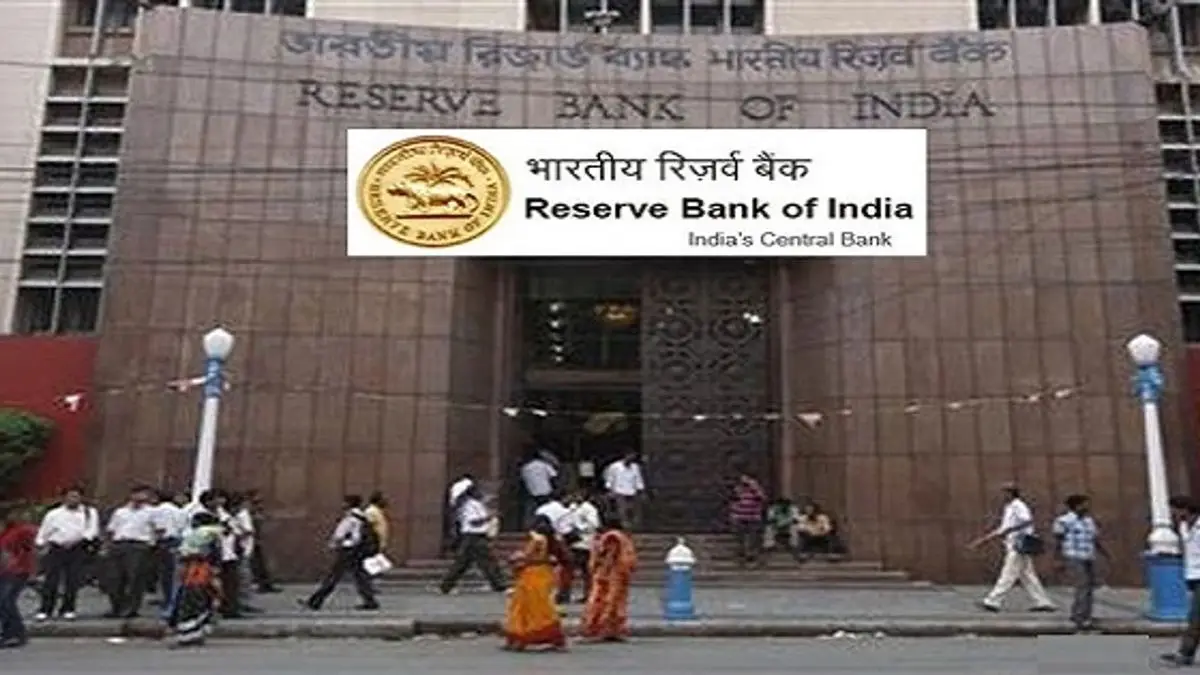
The marginal softening in the domestic gold price comes amid shifting macroeconomic factors overseen by international central banks. Analysts at the Reserve Bank of India (RBI) and global bullion desks note that the recent stabilization of the US Dollar Index (DXY) has taken some immediate momentum out of the safe-haven asset class.
When international bond yields rise, institutional investors frequently reallocate a portion of their capital from non-yielding physical bullion into debt instruments. Despite the small daily dip of ₹10, the broader benchmark price of gold remains historically elevated.
This macro resilience is primarily driven by central bank diversification programs, with monetary authorities across developing economies steadily accumulating physical gold reserves to hedge against long-term fiat currency fluctuations.
Domestic Retail Dynamics and Silver Market Volatility
On the regional front, the Mumbai and New Delhi bullion markets showed quiet, range-bound trade patterns. According to transaction data monitored by the Indian Bullion and Jewellers Association (IBJA), retail jewelry showrooms experienced lower footfalls, which is typical for the mid-June seasonal lull.
The silver market witnessed a relatively larger drop, with prices sliding by ₹100 to rest at ₹2,49,900 per kilogram. Because silver has a dual identity as both a monetary metal and an industrial commodity, its market pricing exhibits higher volatility.
The current downward correction is partly linked to a short-term cooling in industrial manufacturing orders, particularly from the solar photovoltaic (PV) and automotive electronics sectors, which consume significant volumes of silver paste.
Direct Impact on Consumers and Retail Investors
The latest price movements influence several core groups across the financial and consumer landscape:
Retail Jewelry Consumers: For households preparing for late-summer weddings, minor dips offer practical psychological entry points to average out their procurement costs, given that the base gold price remains above ₹1,45,000 per 10 grams.
Sovereign Gold Bond (SGB) Holders: Investors tracking secondary market prices on the National Stock Exchange (NSE) will see highly correlated shifts in their digital portfolio valuations, which track physical purity benchmarks.
Industrial Procurement Managers: Industrial units utilizing industrial silver components can take advantage of the ₹100 per kilogram dip to hedge their raw material supply contracts for the upcoming quarter.
Institutional Tracking and Regulatory Framework
Sustained domestic precious metal trading remains closely aligned with international financial hubs like the Multi Commodity Exchange of India (MCX). Market makers note that import duty structures implemented by the Ministry of Finance continue to act as the primary structural buffer between international dollar-denominated spot prices and local rupee-denominated retail values.
Any shift in the basic customs duty or the Agriculture Infrastructure and Development Cess (AIDC) tends to quickly overshadow minor day-to-day market fluctuations.
Statement from Bullion Exchange Officials
"According to officials tracking spot market transactions at the major regional bourses, the minor drop in the gold price represents standard technical consolidation after a multi-week rally. Bullion desk managers stated that institutional liquidity is firmly holding current support levels, indicating that long-term portfolio allocation into alternative physical assets remains robust despite short-term variations in daily retail demand."
Why It Matters
Small downward corrections provide clarity on where actual market floors are forming. For retail savers and systemic investors, tracking whether the gold price establishes steady support around the ₹1,45,000 baseline helps determine capital allocation strategies between fixed deposits, equity mutual funds, and physical tangible assets.
Key Facts at a Glance
Gold Adjustment: Spot gold price dropped by a minor ₹10, closing at ₹1,45,630 per 10 grams.
Silver Valuation: Industrial silver lost ₹100, bringing the market price to ₹2,49,900 per kilogram.
Market Context: Price moves reflect a standard technical consolidation phase inside major domestic bourses.
Macro Factor: Stabilizing global bond yields have briefly checked the upward momentum of non-yielding assets.
Industrial Demand: A minor slowdown in green-energy and electronics components procurement influenced the silver correction.
FAQ Section
What caused the gold price to dip by ₹10 today?
The marginal drop of ₹10 was driven by regular market consolidation, a stabilizing US Dollar Index, and a brief pause in local physical buying. When global bond yields solidify, institutional capital occasionally shifts away from safe-haven bullion, leading to small corrections.
How does the silver price correction of ₹100 affect industrial buyers?
Since silver is heavily utilized in solar panels, electronics, and automotive wiring, a drop to ₹2,49,900 per kilogram allows component manufacturers to buy or lock in futures contracts at a slightly lower cost, optimizing their near-term production expenses.
Are these spot market prices identical across all Indian cities?
No. While the baseline spot rate remains highly consistent across major hubs via organizations like the IBJA, final retail prices vary across different cities due to localized octroi charges, state-level transportation costs, and varying jewelry making charges.
Source: Official daily spot pricing sheets from the Indian Bullion and Jewellers Association (IBJA), market closing reports from the Multi Commodity Exchange of India (MCX), and financial updates from the Reserve Bank of India (RBI).