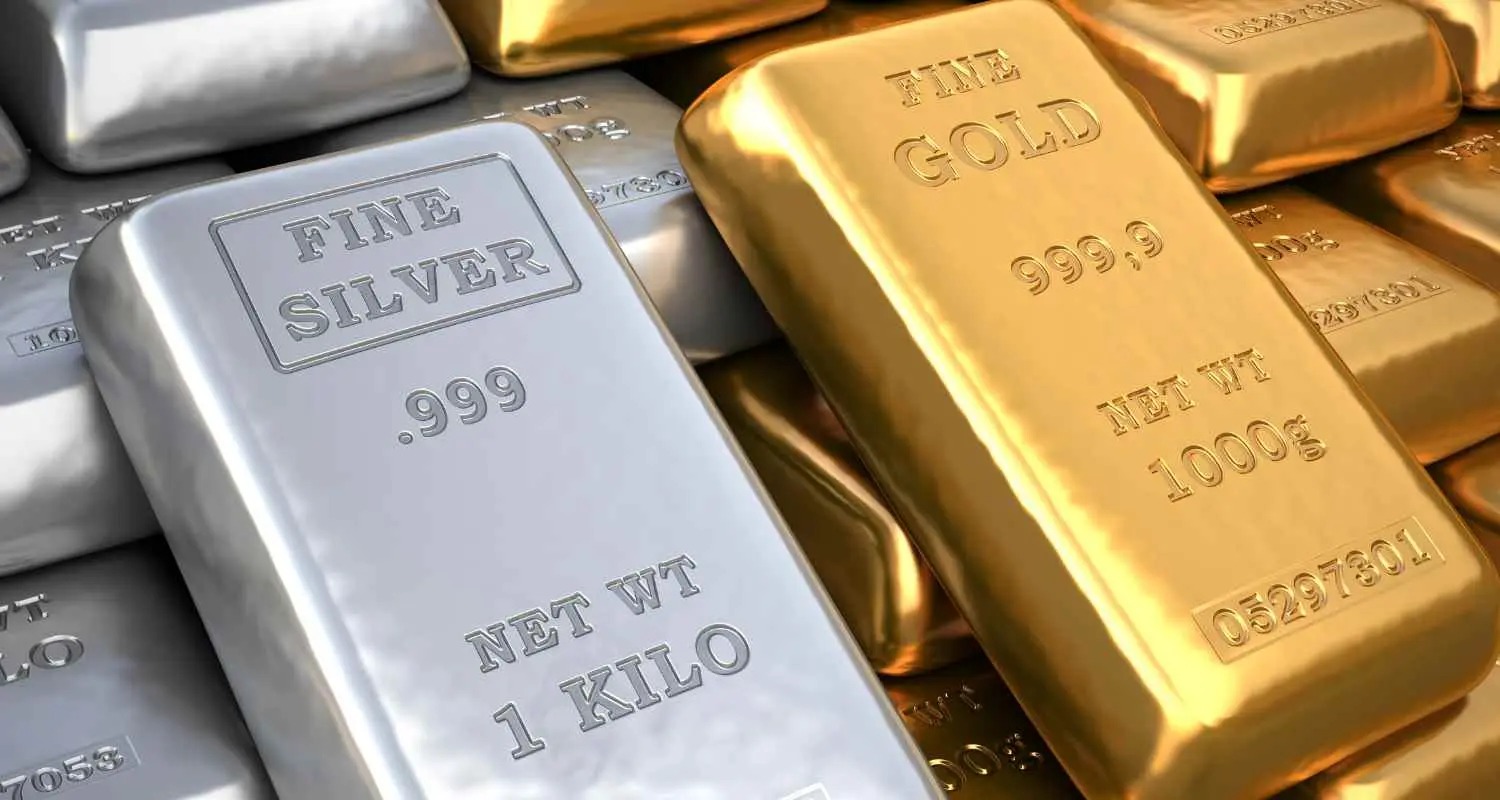
Gold and silver prices in India saw a marginal decline on June 26, 2026, with gold reaching ₹1,41,320 per 10g and silver trading at ₹2,34,900 per kg. This slight dip follows a volatile week driven by a stronger U.S. dollar and shifting global interest rate expectations, keeping investors and retail consumers cautious.
Precious metal prices in India witnessed a marginal decline on Friday, June 26, 2026, as domestic bullion markets adjusted to persistent global economic shifts. Gold prices saw a slight downward tick of ₹10, bringing the rate to ₹1,41,320 per 10 grams, while silver prices retreated by ₹100, now trading at ₹2,34,900 per kilogram.
This price adjustment follows a week of high volatility in both domestic and international commodity markets. Investors and consumers are closely monitoring these movements, which are being dictated by a combination of a strengthening U.S. dollar and evolving expectations regarding interest rate policies from the Federal Reserve.
Global Macro Drivers and Market Impact
Market analysts indicate that the current movement in gold prices is largely a reaction to external factors rather than local demand fluctuations. While domestic appetite for physical gold remains a cultural constant, the pricing is heavily influenced by the global strength of the dollar. When the dollar index gains momentum, dollar-denominated assets such as gold and silver often face selling pressure, as they become more expensive for holders of other currencies.
According to industry reports, the broader precious metals sector has experienced significant corrections in June 2026. Experts note that geopolitical tensions and inflation concerns, which historically served as tailwinds for gold, are currently being overshadowed by concerns over potential monetary tightening in the United States. This environment has prompted some institutional investors to reduce their exposure to bullion, contributing to the downward trend observed over the past several sessions.
Implications for Consumers and Investors
For the average consumer in India, the recent cooling in prices offers a potential window for those who have been deferring purchases for weddings or festive occasions. However, market experts caution that the market is currently in a state of flux.
"Investors should remain cautious as price swings are likely to persist in the near term," noted one market commentator. The divergence between international spot prices and the domestic market, impacted by the recent hike in import duties, means that Indian consumers continue to pay a premium compared to global benchmarks. Financial advisors suggest that long-term investors consider a systematic approach, such as staggered buying, to mitigate the risks associated with daily price volatility.
Official Sources and Market Data
According to India Bullion and Jewellers Association (IBJA) indicative data, market rates for bullion are subject to daily fluctuations based on international closing prices and domestic taxation. Recent regulatory filings and government policy updates, including the latest import tariff adjustments, continue to be primary variables affecting the final retail cost of jewellery and investment-grade bullion for citizens.
"The bullion market is currently navigating a complex landscape of higher interest rate expectations and dollar strength. While the current dip provides a momentary relief for retail buyers, market sentiment remains tethered to global economic indicators that could trigger further price fluctuations," organizers stated in a recent market update.
Key Facts at a Glance
Gold Adjustment: Gold prices saw a minor decline of ₹10, settling at ₹1,41,320 per 10 grams.
Silver Movement: Silver recorded a decrease of ₹100, with current trading levels at ₹2,34,900 per kilogram.
Macroeconomic Pressure: The decline is primarily attributed to a stronger U.S. dollar and shifting global interest rate expectations.
Market Sentiment: Analysts advise a cautious approach for short-term investors due to high volatility; long-term investors are encouraged to monitor support levels.
Regulatory Context: Import duties and GST continue to be significant components of the final retail price for physical gold and silver in India.
Frequently Asked Questions (FAQ)
1. Is now a good time to buy gold for investment?
Market analysts suggest that while current price dips may be attractive, the market remains volatile. It is often recommended to purchase in parts rather than committing a large amount at once.
2. Why are gold and silver prices falling despite geopolitical tension?
Traditionally, gold is a safe haven. However, if geopolitical events are perceived as inflationary, they can lead to expectations of higher interest rates. Higher rates increase the opportunity cost of holding non-yielding assets like gold, which can push prices down.
3. Do local city taxes affect my gold purchase price?
Yes. While the base rate for gold and silver is often determined at the national level by bullion associations, final retail prices in cities like Mumbai, Delhi, or Chennai vary due to local transport costs, state-specific taxes, and varying making charges.
4. How does the U.S. dollar impact Indian gold prices?
Since gold is traded globally in U.S. dollars, a stronger dollar makes gold more expensive for international buyers. This often leads to a drop in global spot prices, which eventually filters down to the Indian market.
Source: India Bullion and Jewellers Association (IBJA), Goodreturns, Times of India Business