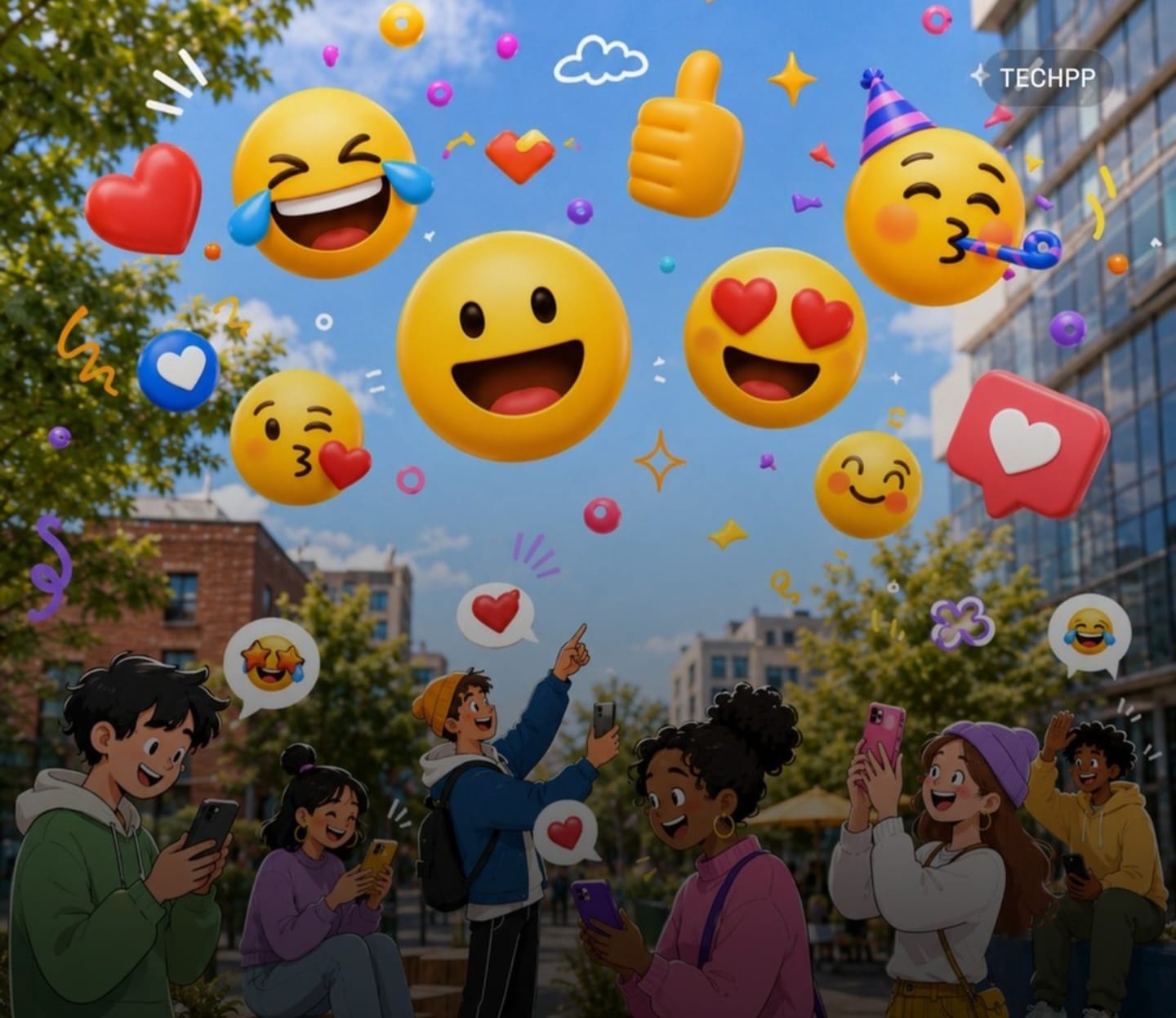
Google has open-sourced its Noto 3D emoji collection, providing developers with 3,977 raw .OBJ three-dimensional models. Designed with a focus on expression, the open collection features full-body layouts and uses specialized AI-powered contrast tools to ensure dark mode legibility for various skin tones across mixed-reality apps, games, and web layouts.
MOUNTAIN VIEW — Google has officially open-sourced its entirely reimagined visual library, making a massive collection of 3,977 three-dimensional characters completely free to the global software ecosystem. Operating under the established open-source Noto Emoji framework, the tech giant has released the complete repository as raw .OBJ files. This strategic decision allows independent developers, mobile UI designers, and game creators to freely extract, stretch, animate, and deploy high-quality asset files across any application, website, or digital platform without restrictive licensing obligations.
The timing of this release corresponds directly with Google’s broader effort to modernize digital communication. By shifting away from standard, platform-enclosed flat iconography, the initiative aims to provide developers with standard assets optimized for mixed reality, virtual environments, and dark-mode mobile interfaces.
Technical Engineering of Noto Emoji 3D Models
Transitioning a library of nearly 4,000 graphics from flat vector files into functional, three-dimensional assets required complex architectural design considerations. Led by Jennifer Daniel, Creative Director for Android and Pixel, Google’s design teams initially prioritized emotional expression over hyper-realistic physical rendering.
Rather than adopting the cold, anatomically exact precision typical of computer-aided industrial design (CAD) programs, the creators used strategic stylized illustrations. Large-scale behavioral research conducted by the firm revealed that end users prefer full-body character models rather than detached, floating heads. Furthermore, the study verified that introducing supplementary contextual objects or props within a tiny emoji boundary routinely harms cross-platform legibility.
During the active migration process, engineers were forced to resolve spatial layout parameters, determining whether a standard circular smiley icon should function as a solid ball, a flat card, or a hollow mask inside a virtual 3D environment.
AI-Driven Accessibility and Dark Mode Optimization
A primary technical bottleneck in high-definition graphic design involves cross-platform visibility, particularly when displaying deep, rich skin tones against low-light dark mode system interfaces. To solve this aesthetic issue equitably, Google developed a specialized, internal AI-powered pixel-contrast analyzer.
The neural network tool parses every individual asset layer at a pixel level, actively flagging low contrast ratios before calculating optimal adjustments. These AI-suggested color modifications were then refined by human illustrators, guaranteeing that all diverse skin tones preserve distinct visibility profiles regardless of the user’s device theme configurations.
Impact Across Global Software and Digital Ecosystems
The open-source availability of the Noto 3D library directly impacts tech startups, digital consumers, and indie software creators who previously relied on proprietary or locked emoji structures.
By providing clean raw data files, Google minimizes high asset development costs for early-stage gaming ecosystems, web projects, and education-tech software. Consumers can expect to see these richer, animated expressions integrated natively across virtual reality worlds, creative internet memes, and corporate collaboration platforms in the coming quarters.
Official Sources Section
Technical design data, open-source repositories, and pixel architecture metrics are distributed transparently through the official Google Developers Blog alongside product updates tracked via the Google Open Source Portal.
Quote Section
"According to officials at Google's design division, releasing the raw source models directly to the public domain removes traditional licensing barriers and allows global developers to natively adapt the cross-platform design language to fit three-dimensional internet structures."
Why It Matters
Releasing a massive open-source library of 3D models removes significant design bottlenecks for creators worldwide. Instead of spending months building or licensing custom asset sets for applications, indie teams can download raw files to implement high-quality, expressive visuals immediately. This sets a uniform standard for how three-dimensional text communication operates as augmented reality frameworks continue to scale.
Key Facts at a Glance
Unrestricted Asset Access: Google has open-sourced 3,977 unique emoji characters as completely free .OBJ 3D model files.
AI Accessibility Integration: The design team deployed an internal AI contrast system to alter pixel values, ensuring clear visibility for dark skin tones on low-light screens.
User-Driven Geometry: Consumer studies guided the development, showing a strong user preference for full-body designs over isolated floating head visuals.
Ecosystem Ecosystem Rollout: The 3D assets will initially launch on Google Pixel hardware before filtering down across all primary Android ecosystems and desktop workspace applications later this year.
FAQ Section
Where can developers find and download these new 3D emoji assets?
The complete library is hosted directly via Google’s open-source Noto Emoji repositories, allowing developers to grab the raw .OBJ files for application integration.
Can these open-source files be modified for commercial software applications?
Yes. Because the portfolio is published under an open-source framework, developers are free to mix, alter, stretch, or adapt the files to fit custom commercial software products, indie video games, or websites.
How does the new AI contrast tool assist with general interface visibility?
The AI tool calculates contrast balances pixel-by-pixel, identifying areas that might blur on dark backdrops and suggesting optimized illumination maps so darker skin tones remain sharp in system-wide dark modes.
Source: Google Products Official Blog, Google Developers Core Documentation.