The Indian government has appointed 29 non-official members to the Board of Trade, including heads of SBI and Apple India. This strategic move aims to leverage industrial expertise to refine foreign trade policies, boost manufacturing, and address challenges in the export sector following new international trade agreements.
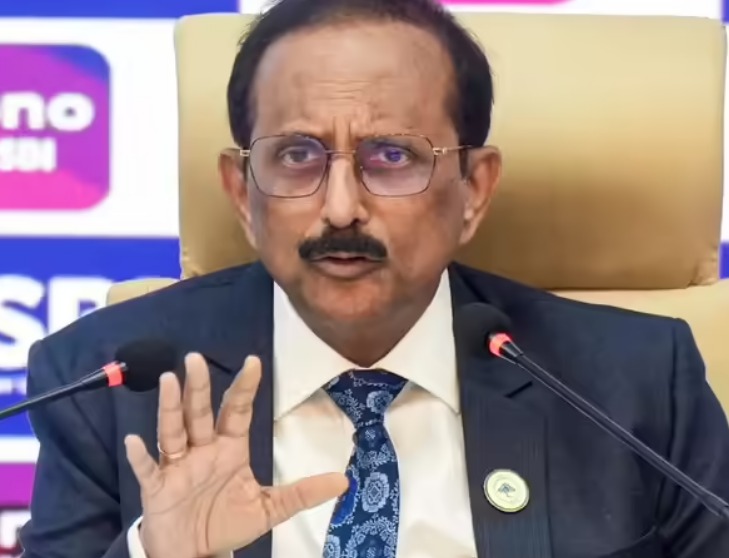
NEW DELHI — The Indian government has announced the appointment of 29 new non-official members to the Board of Trade (BoT), as part of a strategic move to bolster the nation's export competitiveness and streamline industrial policy. The list of appointees features prominent corporate leaders, including State Bank of India (SBI) Chairman C.S. Setty and Apple India Managing Director Virat Bhatia, signaling a focus on integrating banking, technology, and manufacturing expertise into the board's advisory framework.
The reconstituted board is tasked with providing critical inputs on trade policies, identifying sectoral constraints, and facilitating the implementation of the government's export-oriented initiatives. This development arrives as India navigates a dynamic global trade environment, underscored by the recent operationalization of the India-Oman Comprehensive Economic Partnership Agreement (CEPA) on June 1, 2026.
Strategic Role of the Board of Trade
Chaired by the Minister of Commerce and Industry, the Board of Trade serves as a primary advisory body to the government on foreign trade policy. Its mandate includes reviewing export performance, examining existing trade frameworks, and advising on measures to promote industrialization and employment.
According to notifications from the Directorate General of Foreign Trade (DGFT), the inclusion of diverse industry representatives is designed to ensure that policymaking remains responsive to the needs of both traditional sectors and emerging technological hubs. The board meets on a quarterly basis to address the challenges facing Indian exporters in an increasingly complex international landscape.
Key Appointments and Industry Representation
The 29 appointed members represent a cross-section of India’s economic pillars, spanning automobile manufacturing, pharmaceutical research, steel, and digital infrastructure. Notable figures appointed to the board include:
C.S. Setty, Chairman, State Bank of India (SBI)
Virat Bhatia, Managing Director, Apple India
Shailesh Chandra, President, Society of Indian Automobile Manufacturers (SIAM) and MD & CEO, Tata Motors
Dilip Oommen, CEO, ArcelorMittal Nippon Steel
Satish Reddy, Chairperson, Dr. Reddy’s Laboratories
Vaibhav Vohra, Group MD, Continental Carriers
These leaders are expected to assist the government in implementing "export hub" events and navigating global supply chain shifts, ensuring that India’s manufacturing capabilities remain competitive.
Official Sources and Mandate
The appointments were formalized through official notifications issued by the Ministry of Commerce and Industry. According to government releases, these leaders will act as non-official members, providing the government with ground-level insights into trade bottlenecks and logistical challenges.
Organizers stated that the board’s primary objective for the coming year is to align domestic manufacturing policies with global standards, particularly in the electronics, automotive, and pharmaceutical sectors. The board will also play a key role in monitoring the impact of recently signed trade pacts, such as the India-Oman CEPA, on local exporters.
Why It Matters
For businesses and investors, the appointment of these high-profile leaders suggests a proactive government approach to resolving trade hurdles. By including heads of major financial institutions and multinational corporations, the government is looking to bridge the gap between policy formulation and industrial execution. This collaboration is expected to accelerate the ease of doing business, potentially lowering transaction costs for exporters and fostering a more stable environment for foreign investment in the Indian market.
Key Facts at a Glance
Composition: 29 new non-official members have been appointed to advise the government on foreign trade.
Strategic Focus: The board will prioritize enhancing manufacturing and export output while navigating global trade volatility.
Key Sectors: The appointees cover diverse fields including banking, technology, automobiles, pharmaceuticals, and infrastructure.
Frequency: The Board of Trade is required to meet at least once per quarter to review trade policies and procedures.
Frequently Asked Questions
What is the purpose of the Board of Trade in India?
The Board of Trade advises the government on the formulation and implementation of foreign trade policies, reviews export performance, and addresses barriers to trade.
Who chairs the Board of Trade?
The Minister of Commerce and Industry serves as the Chairperson of the Board of Trade.
How often does the Board meet?
The Board of Trade meets at least once every quarter to discuss and review India's trade policies and industrial strategies.
What is the significance of including corporate heads in the board?
Including leaders from major banks and corporations ensures that trade policies are grounded in real-world industrial experience, helping the government identify practical constraints and opportunities for growth.
Source: Directorate General of Foreign Trade (DGFT), Ministry of Commerce and Industry