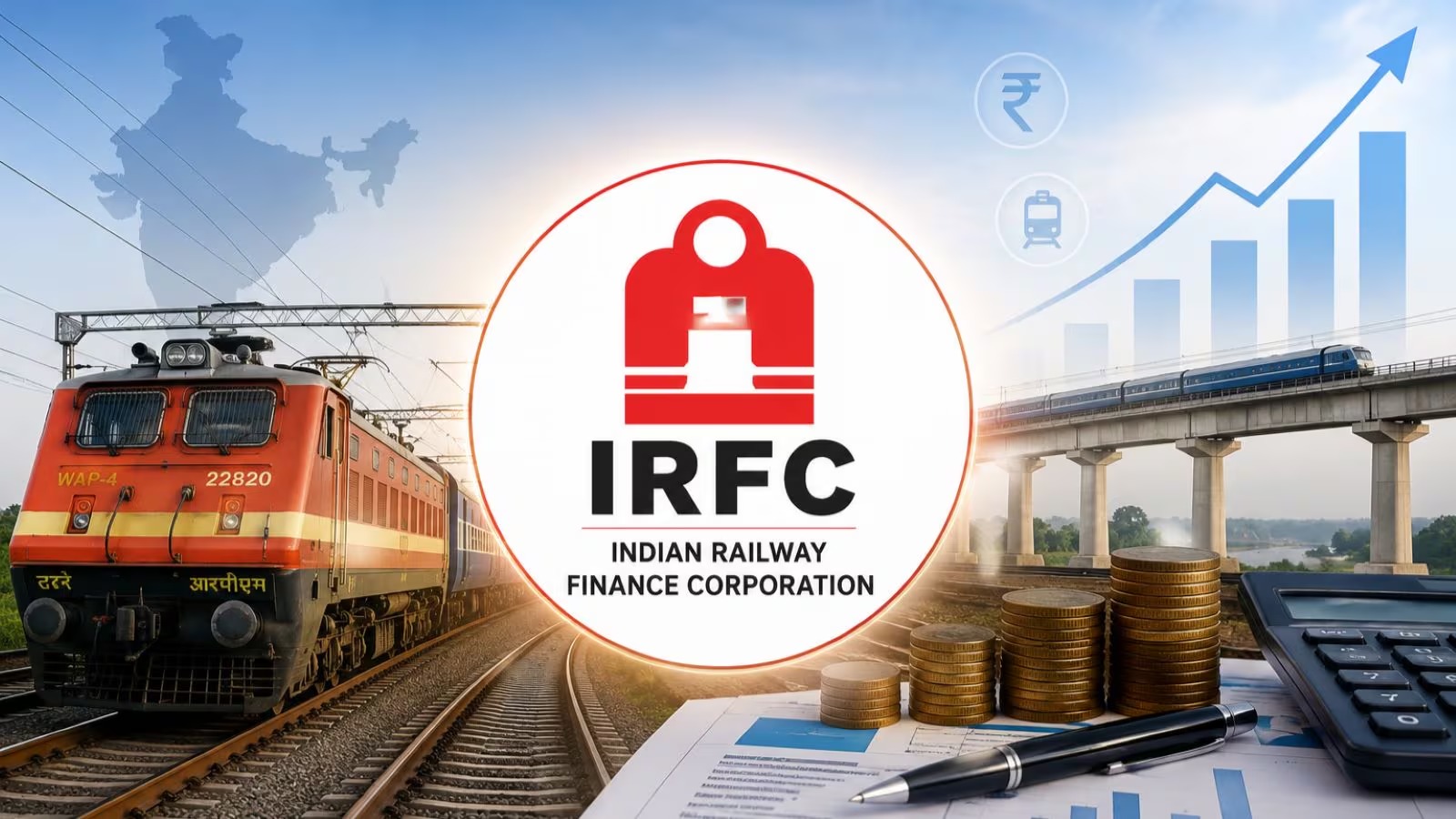
The Government of India successfully raised ₹2,084 crore via an OFS in IRFC, increasing the stake sale to 2% after strong investor demand triggered a greenshoe option. The move, part of the FY27 disinvestment target, underscores market confidence in the railway financing firm's role in India's infrastructure development.
NEW DELHI — The Government of India has successfully raised approximately ₹2,084 crore through an Offer for Sale (OFS) in the Indian Railway Finance Corporation (IRFC), following a strong show of participation from both institutional and retail investors. The two-day stake sale, which concluded on June 25, 2026, saw the government divest a total of 22.88 crore shares to minority shareholders.
The disinvestment process, managed by the Department of Investment and Public Asset Management (DIPAM), initially launched on June 23 with a base offer of a 1% stake. However, due to significant demand—most notably a 1.86x oversubscription in the non-retail category on the opening day—the government exercised its greenshoe option to sell an additional 1% stake, bringing the total offering to 2%.
Strategic Disinvestment Drive
The IRFC transaction marks the sixth successful stake-sale operation by the Centre in the current fiscal year (FY27). The government, which held an 84.65% stake in the Navratna Central Public Sector Enterprise as of March 2026, has been actively pursuing its broader disinvestment strategy to monetize holdings in listed PSUs and increase public shareholding.
According to DIPAM Secretary Arunish Chawla, the enthusiastic response from investors reflects continued confidence in IRFC’s business model. As the dedicated market borrowing arm of the Indian Railways, IRFC plays a vital role in financing the acquisition of locomotives, coaches, and strategic infrastructure projects like railway electrification and freight corridors.
Market Reception and Pricing
The government fixed the floor price for the OFS at ₹91 per share, which represented a discount of approximately 7.79% over the stock’s closing price prior to the issue. While such discounts often lead to short-term pressure on secondary market prices, the strong subscription levels underscored the long-term optimism surrounding the railway sector's growth trajectory.
Retail investors and eligible employees were given the opportunity to participate on the second day of the bidding process, June 25, 2026. Data from the close of the issue indicated that the retail portion saw healthy participation, solidifying the total subscription numbers.
Official Sources
Official updates from DIPAM confirmed that the sale of 22.88 crore shares was completed successfully. The funds mobilized through this OFS contribute to the government's ambitious disinvestment target for FY27, which aims to raise ₹80,000 crore through various stake sales and asset monetization initiatives.
"Organizers stated that the overwhelming response from both institutional and retail investors underscores their faith in the strategic importance of IRFC and its role in supporting India’s long-term infrastructure development."
Why It Matters
For the Indian economy, the success of the IRFC OFS is a positive signal for ongoing capital expenditure plans. By broadening the shareholder base of the state-owned enterprise, the government is not only raising essential revenue for the exchequer but also strengthening the liquidity and market participation in India’s vital railway infrastructure sector. The ability to exercise the greenshoe option highlights the depth of current market appetite for well-performing public sector stocks.
Key Facts at a Glance
Total Proceeds: Approximately ₹2,084 crore.
Total Stake Sold: 2% (22.88 crore shares).
Subscription Status: Non-retail portion oversubscribed 1.86 times on Day 1.
Floor Price: ₹91 per share.
Sector Importance: IRFC is the dedicated financing arm for Indian Railways' infrastructure and modernization.
Frequently Asked Questions (FAQ)
1. What is an Offer for Sale (OFS)?
An OFS is a transparent mechanism on stock exchanges that allows promoters of a listed company to sell their existing shares to the public.
2. Why was the greenshoe option exercised?
The greenshoe option is a mechanism that allows the seller to increase the offer size to accommodate excess demand. In this case, robust institutional interest on the first day prompted the government to increase the stake sale from 1% to 2%.
3. What happens to the shares sold in this OFS?
The shares sold in the OFS are transferred to the demat accounts of the successful bidders, increasing the public shareholding percentage of the Indian Railway Finance Corporation.
4. How does this benefit the Indian Railways?
While the OFS is a disinvestment move by the government, IRFC’s stable, cost-plus financing model continues to provide the necessary capital for railway electrification, fleet expansion, and infrastructure modernization across India.
Source: Department of Investment and Public Asset Management (DIPAM), BSE India, National Stock Exchange (NSE), Press Information Bureau (PIB)