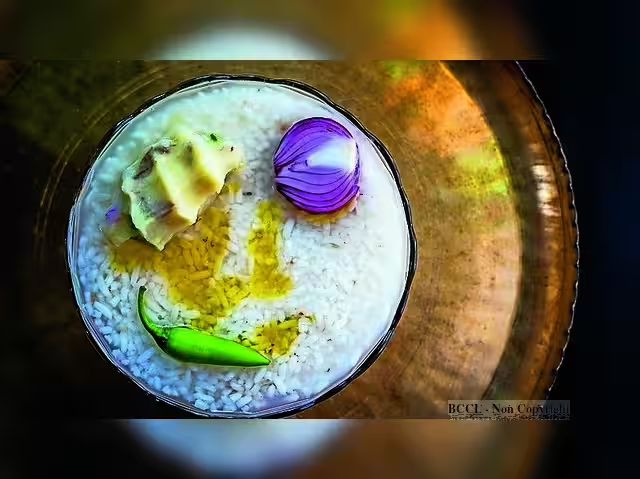
Long relegated to laborers as a modest morning meal, traditional fermented rice dishes like pantha bhaat are finding new life on international supper club circuits. According to recent culinary analyses, these nutrient-rich heritage grains are winning over modern diners through natural probiotics, sustainable simplicity, and a powerful shift away from food snobbery.
Shedding decades of social stigma, traditional fermented rice dishes are transitioning from humble laborer breakfasts to celebrated centerpieces at exclusive international supper clubs.
Long dismissed as unrefined fare unfit for polite company, historic working-class staples like Bengal's pantha bhaat, Odisha's pakhala, and Assam's poita bhat are experiencing a dramatic culinary renaissance. Once consumed primarily by agricultural laborers as an overnight-soaked morning meal to sustain long hours of hard physical work, these fermented rice preparations are now commanding attention—and premium prices—at private supper clubs from regional hubs to metropolitan dining rooms in London. According to contemporary culinary reports published in September 2026, food enthusiasts are enthusiastically embracing these time-honored dishes, proving that genuine culinary heritage requires no artificial reinvention, only an appreciation for traditional kitchen wisdom.
Evaluating Fermentation Science, Nutritional Value, and Cultural Shift
Analyzing the mechanics behind this widespread gastronomic reversal reveals a potent combination of nutritional science and changing consumer values. According to dietary studies and food historians cited in September 2026 analyses, key factors driving the trend include:
Natural Bio-Availability: Overnight soaking and natural fermentation unlock essential micronutrients like iron and calcium that remain bound in freshly cooked dry grains, offering superior nourishment.
Gut Health Benefits: The cloudy residual liquids generated during fermentation act as natural probiotics, supporting digestive wellness and immune function without expensive commercial additives.
Zero-Waste Origins: Rooted in resourcefulness, the practice of soaking leftover cooked rice prevented food waste while letting ambient humidity and natural yeast cultures do the work.
The Death of Food Snobbery: Modern diners, fatigued by hyper-processed wellness trends, are increasingly pivoting toward authentic, unpretentious ingredients that carry genuine cultural memory and community value.
Why It Matters
The practical implications of elevating traditional working-class foods reshape how contemporary society values culinary heritage and sustainable nutrition. For modern consumers navigating urban loneliness, intimate supper clubs centered around simple, shared dishes offer a much-needed antidote to digital isolation. For local food systems and indigenous chefs, the mainstream validation of heritage recipes preserves invaluable ancestral knowledge while validating regional ingredients on global stages.
Key Facts at a Glance
Traditional Names: Known as pantha bhaat in Bengal, pakhala in Odisha, poita bhat in Assam, bore basi in Chhattisgarh, and pazhaya sadam in Tamil Nadu.
Core Preparation: Cooked white rice soaked and fermented in water overnight to soften textures and enhance nutrient absorption.
Nutritional Benefit: Natural fermentation boosts mineral bioavailability and generates gut-friendly probiotics at zero extra cost.
Modern Venue: Transitioned from rural homesteads directly to curated underground supper clubs in cities like London and New Delhi.
FAQ Section
What is pantha bhaat and how is it traditionally prepared?
Pantha bhaat consists of cooked rice soaked and fermented in water overnight, traditionally eaten cold with a green chilli, onion, and fried fish.
Why was this dish historically looked down upon?
For generations, it was associated with manual laborers and rural field workers, leading urban elites to overlook its nutritional and cultural value.
What makes fermented rice healthier than freshly cooked rice?
The soaking process allows natural fermentation to unlock locked-in minerals like iron and calcium while producing beneficial probiotics that aid digestion.
Are there regional variations of this dish across India?
Yes, variations exist nationwide, including pakhala in Odisha, poita bhat in Assam, bore basi in Chhattisgarh, and pazhaya sadam in Tamil Nadu.
Where can food enthusiasts experience these heritage rice dishes today?
Aside from traditional household kitchens across eastern and southern India, these dishes are increasingly featured at curated private supper clubs and pop-up dining events internationally.
Source: The Economic Times Commentary, Indulge Express Food Trends, Times of India Lifestyle, Minute Rice Culinary Blog