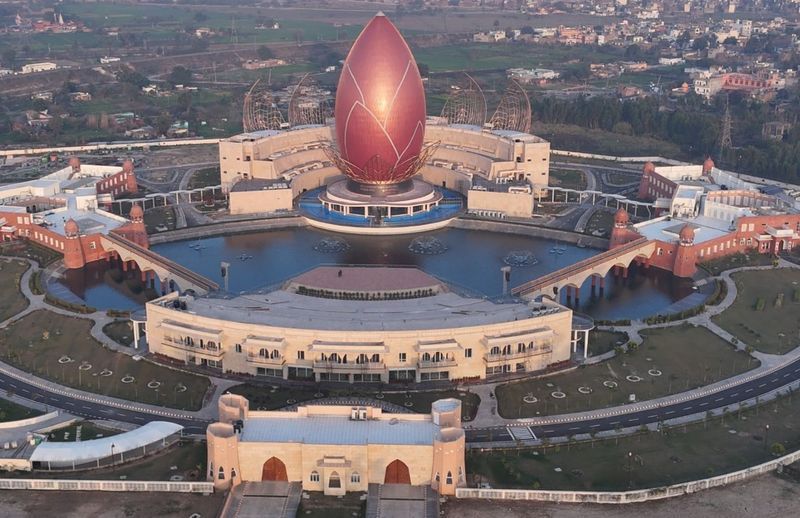
Spanning 22 acres in Ambala Cantonment, the Azadi ki Pehli Ladai ka Shaheed Smarak is nearing completion. According to Haryana Cabinet Minister Anil Vij, the monumental Rs 700 crore project features 23 tech-enabled galleries, holographic projections, and a 63-meter lotus tower designed to honor more than 700 unsung freedom fighters.
Nearing its final stages of development, Ambala Cantonment’s sprawling 22-acre war memorial is set to open its doors, featuring advanced digital galleries that trace the initial sparks of the 1857 uprising.
Poised to become a landmark center for historical education and national heritage, the Azadi ki Pehli Ladai ka Shaheed Smarak in Ambala is entering its final completion phase. Championed by senior Haryana cabinet minister Anil Vij, the project spans 22 acres along the Delhi-Ambala highway and stands as a monumental tribute to the First War of Independence. According to administrative updates and site inspections conducted in mid-2026 by state leaders, the museum utilizes state-of-the-art immersive technologies—including holographic projections, augmented reality, and 360-degree theater mapping—to chronicle how the regional uprising in Ambala predated similar rebellions across the country.
Evaluating Architectural Scale, Technological Design, and Historical Context
Analyzing the structural and narrative scope of the memorial reveals an extensive, multi-year engineering undertaking designed to reframe public understanding of the 1857 revolt. According to official disclosures released by the project directorate and state bodies in 2026, core design and operational highlights include:
The Lotus Tower Landmark: A prominent 63-meter-tall lotus tower rises above the complex, serving as an architectural symbol of the resistance movement alongside viewing decks overlooking the cantonment.
Twenty-Three Thematic Galleries: The interior spaces guide visitors through chronological phases—ranging from pre-colonial prosperity and British economic policies to the precise events of May 10, 1857, in Ambala.
Archival Documentation of the First Spark: Historical exhibits present telegraph transcripts and official documents establishing that anti-colonial resistance surfaced in Ambala hours before the outbreak in Meerut.
Honoring the Forgotten: Research teams have identified and inscribed the names of over 700 martyrs in golden lettering near the central monument, giving permanent recognition to previously undocumented soldiers.
Why It Matters
The practical implications of opening Asia's largest museum dedicated to the 1857 uprising transform how regional history is preserved and communicated to younger generations. For citizens and domestic travelers, the memorial offers an immersive, educational journey into the collective resistance of freedom fighters whose stories were omitted from colonial-era textbooks. For the local economy in Ambala, the sprawling tourist destination stimulates hospitality, retail, and regional cultural engagement.
Key Facts at a Glance
Project Scope: A 22-acre historical memorial and museum complex located in Ambala Cantonment.
Core Attraction: 23 themed galleries featuring augmented reality, holographic projections, and a nightly light-and-sound water show.
Tribute Feature: Over 700 verified martyr names inscribed in gold letters next to the 63-meter lotus tower.
Historical Significance: Highlights archival proof of early resistance movements originating in Ambala prior to broader national flare-ups.
FAQ Section
What is the Azadi ki Pehli Ladai ka Shaheed Smarak?
It is a massive, 22-acre national memorial museum in Ambala Cantonment dedicated to the First War of Independence in 1857.
What technological features are included in the museum galleries?
The museum uses 23 themed galleries equipped with augmented reality, holographic displays, 360-degree projection mapping, and a nightly laser-and-water show.
How does the memorial highlight Ambala’s specific role in 1857?
Exhibits feature original telegram records and British testimonies indicating that anti-colonial resistance and troop actions began in Ambala hours before the revolt in Meerut.
Who spearheaded the conceptualization of this monumental project?
The project has been heavily championed over two decades by senior Haryana cabinet minister and local MLA Anil Vij.
Where can visitors find ticket and scheduling information for the museum?
Complete operational details, visitor guides, and booking updates are accessible via the Official Shaheed Smarak Portal.
Source: Government of Haryana Portal, Shaheed Smarak Official Website, The Times of India, Hindustan Times