




Loading market data...
ADVERTISEMENT

Latest Top News
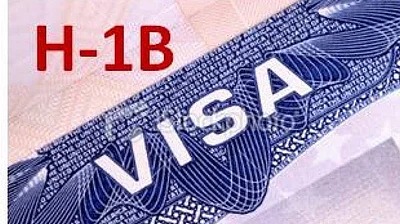
H-1B Visa Holder Examines If $120,000 Savings Could Sustain Nine Years In India
An H-1B visa holder has sparked debate by calculating whether $120,000 in savings could sustain a nine-year stay in India. The analysis highlights lifestyle choices, inflation, and cost-of-living variations across cities, raising questions about financial planning for expatriates considering long-term relocation.
Stay Ahead – Explore Now! India’s Wholesale Inflation Hits 9.68% in New WPI Series Debut
ADVERTISEMENT

Latest Updates

Instamart Inks Growth: Dhanya Hemanth Raj Named Ma...
15 Jun 2026, 11:52 PM
Sri Lanka 'A' Edge India 'A' in Heated Super Over...
15 Jun 2026, 11:47 PM
Mercedes-Benz India Steers Past Headwinds to Fuel...
15 Jun 2026, 11:45 PM
Sanon’s Andheri Asset Action: Family Bags ₹4.6 Cr...
15 Jun 2026, 11:42 PM
Banking on Trust: RBI Bans Coercive Bundling and A...
15 Jun 2026, 11:39 PMADVERTISEMENT

Top Stories
Instamart Inks Growth: Dhanya Hemanth Raj Named Ma...
15 Jun 2026, 11:52 PM
Sri Lanka 'A' Edge India 'A' in Heated Super Over...
15 Jun 2026, 11:47 PM
Mercedes-Benz India Steers Past Headwinds to Fuel...
15 Jun 2026, 11:45 PM