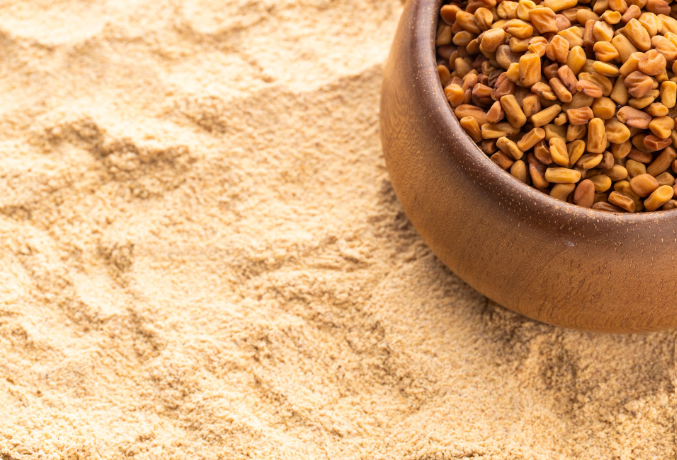
Medical experts confirm that methi dana (fenugreek) offers distinct health benefits, including enhanced blood sugar control, lower cholesterol, and improved digestion. However, excessive intake carries risks, such as hypoglycemia, stomach distress, and pregnancy complications, necessitating cautious, moderate usage.
BOSTON, Mass. — Medical researchers and clinical nutritionists, including experts associated with Harvard T.H. Chan School of Public Health, have highlighted the therapeutic profile of Trigonella foenum-graecum, commonly known as methi dana or fenugreek. Long utilized across traditional South Asian medicine and global culinary practices, the small golden seeds are gaining increased attention in modern clinical science. According to clinical evaluations and nutritional research, consuming methi dana yields distinct metabolic benefits while carrying specific physiological risk factors if used improperly.
3 Core Health Benefits of Methi Dana
Clinical studies published across medical repositories demonstrate that fenugreek seeds contain high concentrations of soluble fiber, saponins, and essential phytochemicals that directly influence metabolic function.
1. Glycemic Control and Insulin Sensitivity
Methi dana contains galactomannan, a water-soluble fiber that slows the rate of carbohydrate absorption in the gastrointestinal tract. Additionally, the seeds contain 4-hydroxyisoleucine, an amino acid shown to stimulate insulin secretion in response to elevated blood glucose levels. Research indicates that regular, controlled intake helps lower fasting blood sugar levels in individuals managing type 2 diabetes.
2. Lipid Regulation and Heart Health
Compounds known as steroidal saponins present in fenugreek seeds inhibit the intestinal absorption of dietary cholesterol. According to clinical trials, consistent supplementation helps lower low-density lipoprotein (LDL) cholesterol and overall serum triglycerides without suppressing beneficial high-density lipoprotein (HDL) levels.
3. Gastrointestinal Comfort and Appetite Regulation
The high mucilage content in soaked fenugreek seeds forms a protective barrier along the stomach and intestinal lining, alleviating symptoms of acid reflux, heartburn, and mild gastritis. Furthermore, the expanding fiber matrix promotes satiety, aiding weight management by reducing spontaneous calorie intake.
Soluble Fiber Content: ~3 grams per tablespoon (11g).
Active Compounds: Galactomannan, 4-hydroxyisoleucine, saponins.
Primary Applications: Blood sugar regulation, lipid control, digestion.
3 Critical Side Effects and Risks
While generally recognized as safe when used as a culinary spice, medical experts emphasize that high-dose therapeutic supplementation or daily concentrated infusions can cause adverse reactions.
1. Hypoglycemia and Medication Interaction
Due to its potent glucose-lowering properties, consuming high quantities of methi dana alongside prescribed anti-diabetic medications—such as insulin or metformin—can cause blood sugar to drop to dangerously low levels (hypoglycemia). Patients are advised to monitor glucose levels closely and consult attending physicians.
2. Gastrointestinal Distress
Ingesting large quantities of raw or improperly prepared fenugreek seeds can cause abdominal discomfort, gas, bloating, and transient diarrhea. The concentrated soluble fiber draws fluid into the bowel, causing digestive upset in sensitive individuals.
3. Pregnancy Risks and Uterine Stimulation
Medical specialists warn against high-dose therapeutic fenugreek consumption during pregnancy. Active phytoestrogens and uterine-stimulating compounds in the seeds can induce uterine contractions, increasing the risk of premature labor or complications.
Official Sources Section
Information regarding the clinical profile, pharmacological mechanisms, and safety parameters of fenugreek is based on published studies from the Harvard T.H. Chan School of Public Health, the National Institutes of Health (NIH), and peer-reviewed journals including Phytotherapy Research.
Quote Section
According to medical researchers and clinical nutrition specialists:
"Fenugreek seeds contain potent bioactives that favorably alter glucose absorption and lipid profiles. However, as with any bioactive botanic, dosage discipline is essential to prevent adverse drug interactions or gastrointestinal distress."
Why It Matters
For Patients with Diabetes: Offers a scientifically supported dietary adjunct for managing blood sugar, provided medical oversight prevents hypoglycemic episodes.
For General Consumers: Clarifies that natural remedies must be consumed in moderate, evidence-backed quantities to achieve benefits without triggering side effects.
For Healthcare Providers: Highlights the importance of screening patient dietary supplement use to avoid potential pharmaceutical interactions.
Key Facts at a Glance
Botanical Name: Trigonella foenum-graecum (Fenugreek / Methi Dana).
Primary Active Bioactives: Galactomannan fiber, 4-hydroxyisoleucine, saponins.
Proven Health Benefits: Glucose regulation, cholesterol reduction, acid reflux relief.
Key Risk Factors: Hypoglycemia with diabetes drugs, uterine stimulation in pregnancy, digestive upset.
Frequently Asked Questions
How should methi dana be consumed for maximum digestive benefit?
Soaking 1 teaspoon of fenugreek seeds in water overnight softens the mucilage fiber, making it easier on the digestive tract while improving nutrient extraction.
Can pregnant women consume fenugreek?
Small culinary amounts used as seasoning in cooked food are generally considered safe, but concentrated supplements or daily fenugreek water should be strictly avoided due to risks of uterine stimulation.
Does methi dana interact with prescription drugs?
Yes. Fenugreek can interact with blood thinners (increasing bleeding risk) and anti-diabetic medications (causing severe blood sugar drops).
Source: Harvard T.H. Chan School of Public Health, National Center for Complementary and Integrative Health (NCCIH), National Institutes of Health (NIH) Clinical Studies.