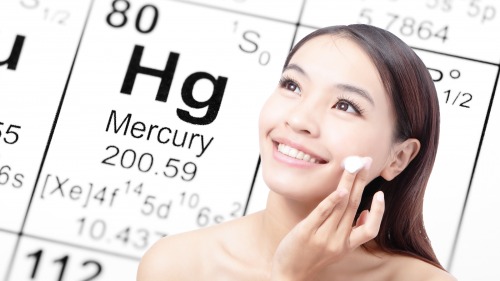
Unregulated mercury-laced skin creams pose severe, long-term health risks, including permanent kidney damage and neurological disorders. Because mercury accumulates in the body and can spread to entire households through shared surfaces and vapors, health authorities urge consumers to avoid any unverified or informally sold beauty products.
Toxic heavy metals found in unregulated beauty products can cause permanent kidney damage, neurological disorders, and harm entire households through indirect exposure.
MUMBAI — Health authorities are intensifying crackdowns on a growing number of illegal skin-lightening creams found to contain dangerous levels of mercury and lead. Recent investigations in Maharashtra, India, have highlighted the severe public health implications of these unregulated products, with 18 women in Nagpur reportedly developing kidney disorders after using a popular brand of imported beauty cream.
While these products are marketed as treatments for acne, age spots, freckles, and uneven skin tone, experts warn that they often contain toxic heavy metals not listed on the packaging. The use of mercury in cosmetics—which works by inhibiting melanin production—is banned in most jurisdictions due to its cumulative and irreversible toxicity.
How Mercury Damages the Body
When applied topically, mercury is absorbed through the skin and enters the bloodstream. Over time, this exposure leads to systemic accumulation, which can cause significant damage to multiple organ systems.
Neurological Impairment: Chronic exposure is linked to tremors, numbness, headaches, severe depression, memory loss, and cognitive decline. In extreme cases, mercury poisoning can cause permanent damage to the central nervous system.
Renal Toxicity: The kidneys are particularly vulnerable to mercury. Prolonged use of contaminated creams can lead to proteinuria, nephrotic syndrome, and in severe instances, end-stage kidney failure.
Systemic Symptoms: Users often report chronic fatigue, hypertension, skin rashes, and irritability.
Health officials emphasize that the effects are often non-specific, leading to frequent misdiagnoses where the underlying poisoning goes untreated for months or even years.
The "Household" Risk: Indirect Exposure
A critical danger of mercury-laced cosmetics is that the risk is not limited to the individual using the product. Mercury can easily spread to family members through shared household items.
"Mercury from these creams can spread from the skin of the user to clothing, towels, and bedding, and eventually to surfaces and furniture throughout the home," notes the California Department of Public Health (CDPH). "From these surfaces, some of the mercury gets into the air in the home, potentially exposing the entire household to toxicity."
Pregnant women and children are at the highest risk. Mercury can pass to a fetus during pregnancy or to nursing infants through breast milk, potentially causing developmental delays and brain damage. Children living in homes where these products are used are also at risk of accidental ingestion or inhalation of vapors.
Regulatory Crackdowns and Safety Advice
Recent actions by the Maharashtra Food and Drug Administration (FDA) and international bodies like the U.S. FDA have led to the seizure of thousands of products. Authorities have warned that consumers should be wary of any product that:
Lacks mandatory labeling, such as manufacturer details, batch numbers, or expiration dates.
Is manufactured abroad and sold through informal channels, social media, or unauthorized online marketplaces.
Claims "whitening," "bleaching," or "glow" effects without clear regulatory approval.
Why It Matters
Mercury poisoning is often irreversible; there is no "cure" once significant damage to the nervous system or kidneys has occurred. The primary clinical management involves identifying and removing the source of exposure immediately. Because these products often mimic legitimate cosmetics and are sold at accessible price points, they pose a significant, quiet threat to public health that frequently bypasses traditional medical oversight.
Key Facts at a Glance
Primary Risks: Permanent kidney damage and irreversible nervous system disorders.
Hidden Danger: Mercury can be present even if it is not listed on the ingredient label.
Household Impact: Mercury vapors and residues can poison family members through shared towels, bedding, and air.
Vulnerable Groups: Pregnant women and young children are at the highest risk for developmental and neurological harm.
FAQ
What should I do if I suspect my skin cream contains mercury?
Stop using the product immediately. Seal it in a plastic bag and dispose of it as household hazardous waste. Consult a doctor and request a blood or urine mercury test.
Can I identify mercury by looking at the cream?
No. Mercury is odorless, colorless, and often hidden in products that appear to be legitimate cosmetics. Only laboratory testing can confirm its presence.
Are all whitening products dangerous?
Not all, but products sold without clear regulatory oversight, those missing manufacturer details, or those marketed through informal online channels are at high risk of contamination.
Does washing the cream off my skin remove the risk?
No. Once absorbed, mercury accumulates in the body’s tissues over time. Repeated application increases the concentration, and the metal is excreted very slowly.
Official Sources
Information regarding these health hazards is supported by findings from the Maharashtra Food and Drug Administration (FDA), the U.S. Food and Drug Administration (FDA), and the California Department of Public Health (CDPH). These agencies maintain updated lists of products that have tested positive for mercury and other contaminants.