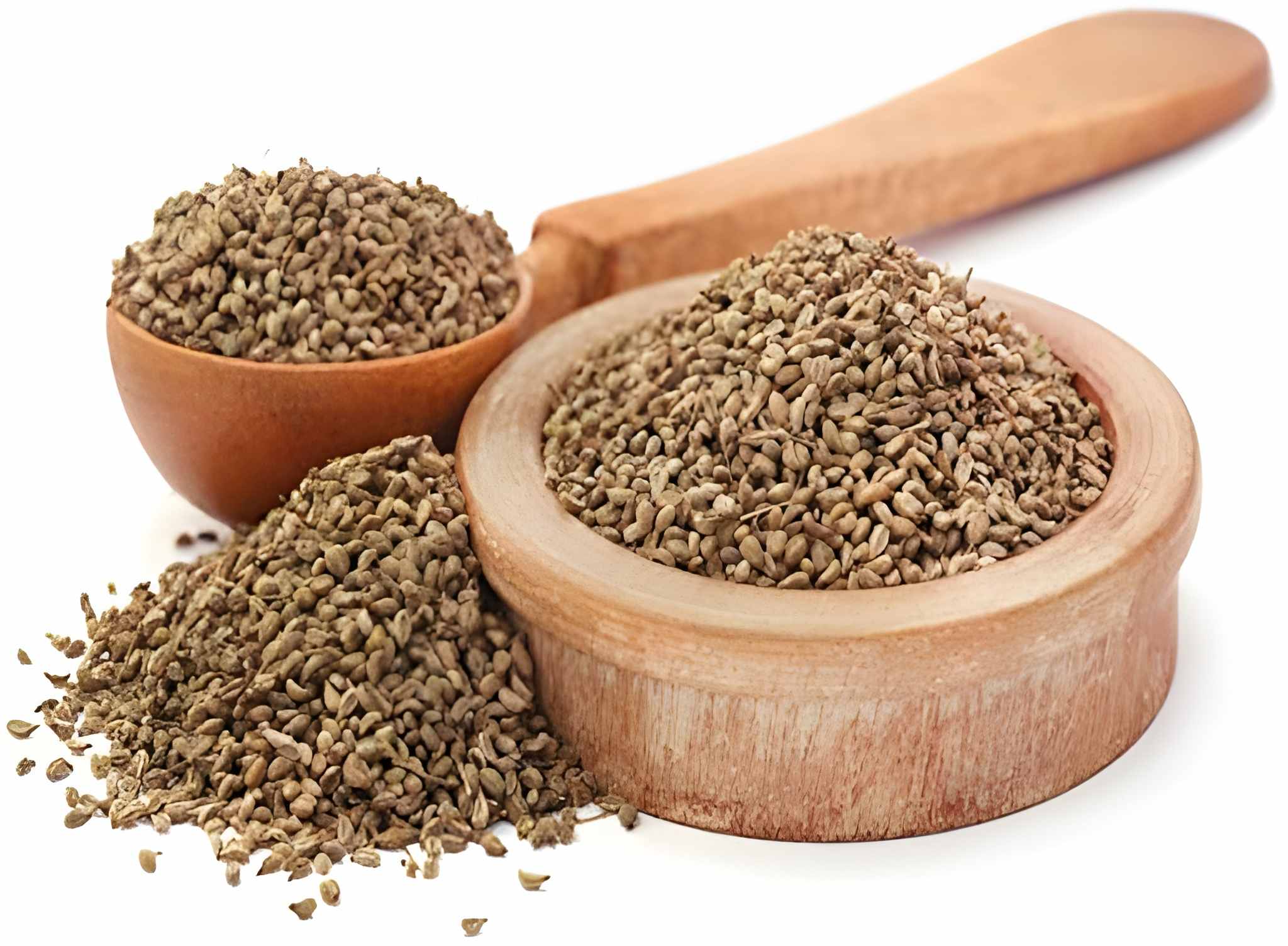
Scientific evaluations have validated the traditional use of ajwain (carom seeds) for treating digestive issues and cold symptoms. Driven by its rich thymol content, the spice accelerates gastric juices, relaxes smooth intestinal muscles to eliminate gas, and operates as an expectorant to clear respiratory congestion safely when consumed in balanced amounts.
NEW DELHI — A growing body of biochemical research has validated the traditional clinical efficacy of ajwain (carom seeds), confirming that the common household culinary spice possesses strong therapeutic mechanisms to combat gastrointestinal disorders and acute respiratory tract infections.
While carom seeds have served as a cornerstone of indigenous wellness for generations, recent laboratory analyses are shifting the development from a purely domestic tradition into a scientifically backed medical reality. Experts report that the unique active volatile compounds within the seed provide direct biochemical pathways to alleviate heavy post-meal bloating, gastric discomfort, and bronchial congestion.
The Biochemical Power of Thymol
According to laboratory assessments, the clinical efficacy of ajwain relies heavily on its high concentration of thymol, a powerful natural monoterpene phenol compound. Thymol is responsible for the spice's distinct sharp fragrance and bitter flavor profile, but its primary value lies in its direct interaction with the human digestive apparatus.
Upon ingestion, thymol actively triggers the accelerated release of essential gastric juices and digestive enzymes within the stomach. This enzymatic surge allows the gastrointestinal system to break down complex food matrices far more efficiently, mitigating the primary underlying causes of acute indigestion, post-meal bloating, and localized stomach pain.
Eradicating Intestinal Gas and Bloating
Beyond enzyme acceleration, carom seeds demonstrate documented carminative properties that target the physical structures of the gastrointestinal tract. Chronic bloating is frequently caused by trapped intestinal gases failing to navigate tense digestive muscles.
The active elements in ajwain directly relax the smooth muscle tissues of the gut wall. This localized relaxation allows trapped pockets of gas to move smoothly through the tract, immediately relieving painful abdominal pressure.
In ancient Ayurvedic medicine systems, this specific biochemical action is classified as Deepan-Pachan, a dual mechanism that simultaneously kindles internal metabolic fire while processing accumulated metabolic waste.
Strong Antimicrobial and Respiratory Support
The therapeutic utility of the spice extends past the stomach into advanced microbial defense and respiratory tract management. Peer-reviewed studies confirm that thymol exhibits strong antibacterial and antifungal properties capable of inhibiting pathogenic bacterial strains linked to foodborne illnesses and systemic stomach distress. By keeping harmful microbes in check, it prevents the excess fermentation in the colon that leads to chronic flatulence.
Simultaneously, the volatile oils act as a reliable remedy for cold and cough symptoms. When inhaled or consumed as a warm decoction, the spice functions as a mild expectorant, chemically loosening dense mucus and clearing the respiratory tract.
Furthermore, data suggests that ajwain possesses a mild bronchodilator effect, structurally widening the airways to make breathing significantly easier during acute respiratory congestion.
Official Sources Section
Medical advisories from institutional wellness centers and formal research statements published by the Ministry of Ayush confirm that traditional spices like ajwain must be integrated into daily diets with a precise understanding of their active potencies. Regulatory guidelines emphasize using clean, unadulterated seeds to ensure optimal thymol levels.
Quote Section
"According to officials and traditional health researchers, real human health and sustained metabolic vitality stem directly from natural food choices, lifestyle discipline, and utilizing time-tested botanical knowledge passed down through generations, rather than relying on modern synthetic shortcuts."
Why It Matters
For everyday consumers, businesses in the natural supplement industry, and health-conscious investors, this scientific validation elevates a simple kitchen ingredient into a legitimate preventative health strategy. Utilizing natural carminatives minimizes reliance on over-the-counter synthetic antacids, lowering healthcare costs and reducing synthetic side effects for the public.
Key Facts at a Glance
Active Agent: High thymol content gives the spice its sharp aroma and drives its therapeutic benefits.
Gastrointestinal Action: Directly triggers gastric enzyme secretion and relaxes smooth gut muscles.
Respiratory Function: Operates as a natural expectorant and mild bronchodilator to relieve heavy chest congestion.
Safety Warning: Excessive intake can irritate sensitive stomach linings and potentially trigger uterine contractions in pregnant individuals.
FAQ Section
Is it safe to consume ajwain daily?
Yes. When used in normal culinary quantities or as a modest daily remedy, it is entirely safe for the general public.
Who should avoid therapeutic doses of carom seeds?
Pregnant individuals are officially advised to avoid concentrated medicinal doses, as excess amounts may potentially trigger uterine contractions. Individuals experiencing acute stomach ulcers should also practice caution.
How does the spice relieve a cough?
It contains volatile compounds that work as a mild expectorant to loosen respiratory mucus while providing a bronchodilator effect to widen congested airways.
Source: The Statesman Health Desk, Patanjali Research Institute Statements.