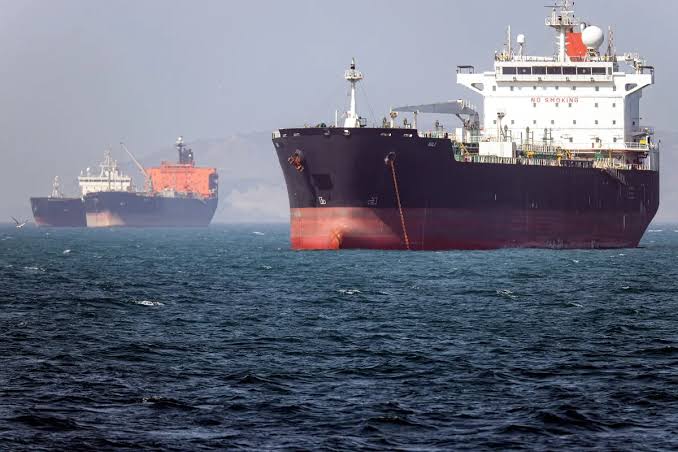
Strait of Hormuz vessel transits slowed to minimal levels over the weekend following a series of tanker attacks and stalled U.S.-Iran negotiations. The security incidents have severely restricted maritime traffic, escalating concerns over global energy supply stability and safe navigation in the Persian Gulf.
DUBAI / WASHINGTON — Maritime traffic through the Strait of Hormuz slowed significantly over the weekend as commercial shipping operators and regional authorities grappled with renewed security threats. The slowdown follows a series of targeted drone strikes on oil tankers and bulk carriers, coupled with a lack of substantive progress in high-stakes diplomatic talks between Washington and Tehran.
According to maritime intelligence agencies and regional naval monitors, vessel transits through the critical global energy chokepoint dropped to a fraction of historical daily averages. The disruption underscores the fragility of international maritime routes as ongoing geopolitical friction continues to threaten global energy flows.
Escalating Maritime Incidents and Security Advisories
Over a recent 72-hour window, Joint Maritime Information Center (JMIC) assessments and regional defense reports confirmed multiple kinetic incidents involving commercial vessels navigating the Persian Gulf corridor. The attacks—affecting tankers linked to regional energy operators and inbound bulk carriers—have heightened the risk profile for maritime insurers and shipping lines.
According to official maritime reports and regional security briefs:
Targeted Projectile Strikes: Drone and projectile impacts were recorded on vessels during both inbound and outbound transits, resulting in minor structural damage but no reported crew casualties.
Plummeting Transit Volumes: Daily transits supervised under coalition and independent frameworks remained in single digits, contrasting starkly with historical pre-conflict averages of roughly 138 daily crossings.
Persistent Navigational Hazards: Maritime advisories warned operators of ongoing Global Navigation Satellite System (GNSS) interference, electronic spoofing, and potential drifting mine hazards across the traffic separation scheme.
Official Sources Section
Joint Maritime Information Center (JMIC) Advisories: Operational threat assessments, transit volume metrics, and navigational warnings for the Persian Gulf and Gulf of Oman.
United Arab Emirates Ministry of Foreign Affairs: Official statements condemning attacks on commercial oil tankers and reaffirming the principles of freedom of navigation under international law.
Quote Section
According to statements released by regional maritime authorities and trade associations addressing the ongoing security situation in the Gulf:
"Targeting commercial shipping and disrupting vital energy corridors represents a severe threat to international trade and maritime stability, underscoring the urgent need for restored freedom of navigation."
Why It Matters
For global energy markets, international shipping companies, and consumers worldwide, any prolonged constriction of the Strait of Hormuz—through which a significant share of global petroleum and liquefied natural gas passes—exerts upward pressure on fuel prices and freight insurance rates. The ongoing diplomatic impasse between the U.S. and Iran leaves supply chains vulnerable, forcing carriers to weigh severe operational risks against the economic costs of prolonged delays.
Key Facts at a Glance
Location: Strait of Hormuz, Persian Gulf, and Gulf of Oman.
Recent Events: Multiple commercial vessels struck by projectiles and drones over a 72-hour window.
Traffic Impact: Daily transits remain heavily suppressed compared to historical benchmarks.
Key Security Concerns: Drone attacks, GNSS interference, and unconfirmed mine risks along shipping lanes.
FAQ Section
Why are vessel transits slowing down in the Strait of Hormuz?
Transits have slowed sharply due to a renewed surge in attacks on commercial tankers and bulk carriers, alongside a lack of progress in U.S.-Iran diplomatic talks.
Were there any casualties reported in the recent tanker attacks?
Regional authorities and maritime monitors confirmed that while multiple vessels sustained minor structural damage from drones and projectiles, no crew injuries were reported.
How much below normal levels is current shipping traffic?
Tracking data indicates that daily transits have plummeted to single digits, remaining drastically lower than typical historical averages of around 138 daily crossings.
What precautions are maritime authorities recommending to ships?
Agencies like the JMIC advise vessel operators to maintain heightened situational awareness, keep automatic identification systems (AIS) appropriately managed, and exercise extreme caution near high-risk zones.
Source: Joint Maritime Information Center, UAE Ministry of Foreign Affairs, The Maritime Executive