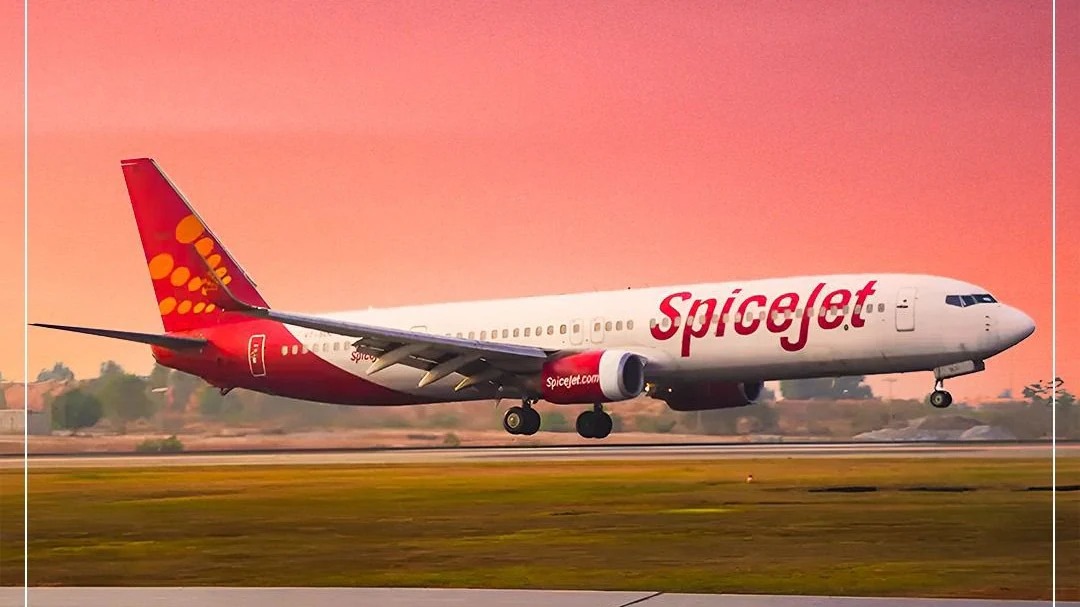
HSBC Raises SpiceJet Target Price to 5.95 Rupees Amid Fleet Pressures
MUMBAI, INDIA — Global banking multinational HSBC has formally adjusted its target price projection for Indian budget carrier SpiceJet Limited (SPJT.BO). Fixed-income and equity analyst teams shifted their baseline stock forecast up to ₹5.95 per share, ticking up from the previous coverage guidance of ₹5.30.
The slight target price elevation by the financial institution occurs on Tuesday, July 14, 2026, during a highly volatile phase for the low-cost carrier's operational infrastructure. The structural target shift comes as institutional equity researchers evaluate the airline's long-term corporate efforts to lower fixed costs by clearing under-utilized assets, despite a parallel drop in systemic market share and aggressive pushbacks from European aircraft owners.
Fleet Downsizing and Lessors' IDERA Disclosures
The revised target price from HSBC emerges directly against a tightening backdrop of fleet limitations and ongoing legal battles. According to mandatory aviation records published by the Directorate General of Civil Aviation (DGCA), two prominent Ireland-based leasing firms have formally moved to ground and reclaim multiple aircraft.
Sovereign regulatory logs confirm that Sky High LXXX Leasing Company Limited and Sky High LXXVII Leasing Company Limited have submitted Irrevocable Deregistration and Export Request Authorisation (IDERA) requests targeting four active Boeing 737-8 MAX jets.
The technical tracking identifiers for the affected passenger airframes include:
VT-MXA
VT-MXB
VT-MXC
VT-MAX
Corporate defense statements issued by the airline’s media bureau contend that the deregistration actions will not induce immediate disruptions to daily flight schedules. The carrier clarified that the specific four aircraft have been grounded for an extended period due to unresolved high-pressure turbine (HPT) engineering flaws flagged by the original engine manufacturers.
Management teams maintain that processing the exits will eliminate high lease rental costs on idle assets. However, real-time tracking data from plane-monitoring portals show SpiceJet's active capacity severely constrained, running just 11 operational aircraft while leaving 42 hulls parked in long-term storage.
Debt Payout Mandates and Capital Mobilization
The financial trajectory of the company continues to face scrutiny in high-level judicial venues. During a compliance hearing before the Delhi High Court, legal representatives for the airline and its core promoter, Ajay Singh, provided a formal commitment to deposit ₹50 crore within a strict 45-day window to settle lingering asset liabilities linked to the long-standing Kalanithi Maran dispute framework.
This legal enforcement follows an international court ruling in the United Kingdom, which directed SpiceJet to clear an $8 million payment to separate engine lessors over unpaid rental fees and deferred mechanical maintenance blocks.
To counter these heavy liquidity drains, the corporate treasury desk is coordinating institutional roadshows across major regional hubs including Hong Kong and Singapore. The cross-border effort targets a capital raise exceeding ₹3,200 crore through qualified institutional placements (QIP) and structured equity allocations to clear past-due vendor liabilities and bring parked jets back into passenger service.
Official Sources Section
The adjusted target price adjustments and institutional consensus views are derived from banking reports published by the HSBC Global Research Division. Financial litigation details and engine settlement guidelines conform to open dockets managed by the Delhi High Court and the National Stock Exchange of India (NSE) corporate compliance registry.
Quote Section
"According to capital market officials tracking the aviation corridor, the modest revision in HSBC’s target price reflects the near-term cash relief generated by shedding lease liabilities on grounded aircraft. However, structural upside remains heavily capped until the upcoming Qualified Institutional Placement successfully injects liquid cash to restore active flying capacity."
Why It Matters
For retail flyers and business travelers, the deep reductions in active planes typically mean a smaller selection of direct regional flights, combined with higher risk for seasonal schedule delays along major commercial routes. For equity investors and fund managers, HSBC's updated ₹5.95 target price emphasizes the need for caution, as the stock target stays well below the current market trading price of roughly ₹11.13, highlighting persistent balance sheet risks. Additionally, for the broader travel sector, the carrier's ability to successfully close its multi-billion rupee QIP funding round will determine if the airline can stabilize its operations or continue losing ground to dominant industry rivals.
Key Facts at a Glance
Target Revision: HSBC raised its target price on SpiceJet stock to ₹5.95 from ₹5.30.
Fleet Reclamation: Irish leasing entities have applied to the DGCA to deregister four non-operational Boeing 737-8 MAX jets.
Judicial Settlement: The carrier has committed to depositing ₹50 crore within 45 days to address an ongoing domestic corporate dispute.
Fleet Constraints: The airline is currently operating a limited fleet of 11 active planes, with 42 aircraft remaining grounded.
Capital Sourcing: Roadshows are underway in Asian financial centers to secure a target ₹3,200 crore through equity QIP instruments.
FAQ Section
Why did HSBC raise SpiceJet's target price while the airline faces fleet cuts?
The target increase to ₹5.95 reflects the cost-saving benefits of eliminating lease rentals on grounded aircraft. However, the revised target remains well below the current market price, indicating ongoing caution regarding the carrier's high debt levels.
What does the IDERA deregistration request mean for everyday flight operations?
SpiceJet statements indicate that the four specific Boeing 737 MAX planes have been out of service for an extended period due to high-pressure turbine manufacturing defects. As a result, their formal removal does not cut current active flight schedules.
How does the airline plan to resolve its current cash and lessor liabilities?
The company is launching a major institutional funding drive to raise over ₹3,200 crore through a Qualified Institutional Placement (QIP), aiming to clear court-mandated debts and fund the return of its parked aircraft to active service.
Source: HSBC Global Research Desk; National Stock Exchange of India (NSE) Corporate Portal; Directorate General of Civil Aviation (DGCA) IDERA Registry; Delhi High Court Judicial Archive.