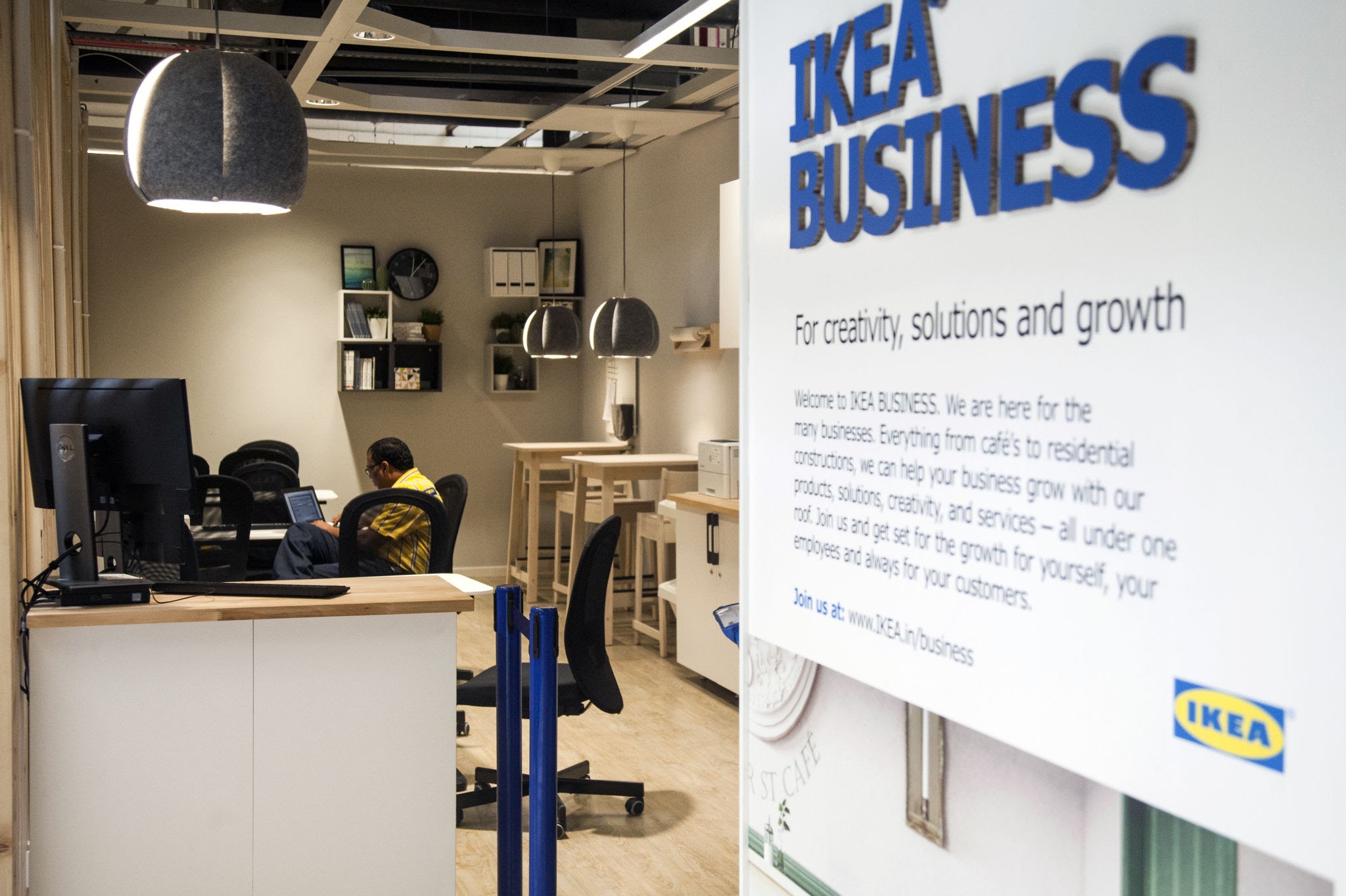
IKEA's parent company, Ingka Group, has established a dedicated global development centre in Bengaluru, India, on June 4, 2026. Moving beyond traditional material sourcing, this multi-disciplinary technology hub will develop advanced e-commerce software, supply chain analytics, and digital twin assets to optimize the brand's retail operations worldwide.
BENGALURU, India - Ingka Group, the primary global owner and operator of IKEA retail stores, formally announced the operational initialization of its first dedicated India development centre on Thursday, June 4, 2026. Strategically located within the technology corridors of Bengaluru, this multi-disciplinary complex marks an important transformation today, as the multinational home furnishings giant shifts its South Asian focus from a traditional manufacturing supply relationship into a sophisticated operational paradigm. This hub will build and deploy proprietary enterprise software, automated retail mechanics, and optimized logistics frameworks to serve millions of global consumers across Europe, North America, and the Asia-Pacific region.
Multinational Evolves Beyond Sourcing Into Global Enterprise Automation
According to official executive updates released by the parent group, the establishment of the India development centre addresses a critical need to build highly scalable digital backbones for modern omnichannel environments. Historically, IKEA’s multi-decade presence in the Indian subcontinent centered almost exclusively around direct material sourcing, tracking thousands of localized textile, rug, and handicraft suppliers to feed its global retail infrastructure.
The new technology center represents an entirely separate operational layer. By recruiting specialized technical talent across software engineering, predictive data analytics, and cloud system architecture, the company will focus on modernizing its worldwide inventory management structures. The development teams will design centralized algorithms to handle real-time product tracking across hundreds of brick-and-mortar stores and massive distribution nodes simultaneously, reducing localized supply constraints.
Tech Operations Target Omnichannel Frameworks and Digital Twin Assets
A primary functional directive of the newly initialized hub involves building advanced e-commerce interfaces and custom web architecture for the global brand. As virtual transactions represent an increasing percentage of the group's net corporate revenue, the Bengaluru-based engineering units are tasked with reconstructing customer checkout pathways to prevent transaction drop-offs and minimize payment processing lag.
Simultaneously, the center will house dedicated teams working on digital twin technologies—virtual replicas of physical retail stores and automated warehouses. These digital twins allow system operators to run predictive scenarios, optimizing spatial layouts and consumer foot-traffic routing before implementing changes on physical sales floors. This operational shift lowers long-term capital expenditures and minimizes logistical strain for regional operators.
Official Sources Section
The corporate blueprints, operational target metrics, and technological frameworks featured across this enterprise update are transcribed directly from official media declarations and investor update summaries released by Ingka Group Holding B.V., the primary strategic partner within the global IKEA Franchise System.
Quote Section
"According to officials tracking international corporate infrastructure relocations, the decision to locate a primary development centre in India reflects a broader macroeconomic trend where global consumer brands utilize South Asian engineering ecosystems to manage complex, borderless technology pipelines."
Why It Matters
From a practical business and employment perspective, the initialization of this major center provides substantial opportunities for local engineering professionals while directly influencing global retail efficiencies. For corporate enterprises and retail logistics providers, the software solutions designed within this hub will help stabilize international shipping lead times, directly lowering operational costs. For everyday global consumers, the digital innovations built by the center mean faster home delivery processing, more accurate web-based stock counts, and enhanced user interfaces inside the brand's mobile application ecosystem.
Key Facts at a Glance
Strategic Expansion: IKEA transitions beyond basic sourcing by setting up a dedicated global development centre in India.
Geographic Anchor: The centralized facility is based in the prominent information technology hub of Bengaluru.
Core Technology Vectors: Focuses heavily on developing global e-commerce systems, inventory management engines, and digital twin assets.
Global Footprint: Software and systems engineered within the facility will actively power operations across more than 30 international retail markets.
FAQ Section
Q1: Will the new India development centre handle domestic furniture manufacturing?
No. The development centre is completely separated from physical manufacturing pipelines, focusing strictly on global digital infrastructure, enterprise software engineering, and supply chain automation.
Q2: How does this hub impact IKEA's current material sourcing contracts inside India?
Existing raw material sourcing from Indian weavers and artisans continues completely unaffected. The technology hub acts as an incremental operational layer built to enhance global systems, not to replace local supply networks.
Q3: What specific digital capabilities are being engineered at the Bengaluru facility?
The engineering teams are primarily tasked with refining global web checkout paths, deploying advanced cloud telemetry data tools, and designing predictive software to optimize warehouse product placement.
Source: Corporate structural reports and international expansion statements distributed via the media relations division of Ingka Group and the global portal of the IKEA Group.