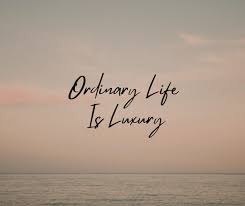
Amid relentless digital pressure and burnout, a growing counter-culture is embracing the profound peace of ordinary living. Anonymity and privacy have emerged as modern luxury commodities, offering individuals a much-needed escape from hyper-visibility and the constant demand to perform.
NEW DELHI — In an era defined by relentless digital curation, algorithm-driven performance, and the constant pressure to monetize personal milestones, a quiet cultural shift is redefining modern status symbols. Moving away from hustle culture and public excess, individuals across metropolitan centers are placing a premium on the deliberate pursuit of anonymity—rebranding the freedom to be ordinary as the ultimate contemporary luxury.
Sociologists and lifestyle analysts note that this psychological pivot is fueled by acute hyper-visibility fatigue. When every professional achievement, meal, and leisure hour is captured and broadcasted, privacy and obscurity have transformed from mundane defaults into scarce commodities. Opting out of the constant attention economy has become a quiet reclamation of time, mental bandwidth, and personal agency.
The Economics and Psychology of Anonymity
The pursuit of an ordinary, unrecorded lifestyle represents a striking reversal of traditional status markers. For decades, modern consumer culture equated success with visibility, luxury branding, and public validation. Today, however, high-net-worth individuals and stressed professionals alike are investing in unlisted properties, off-grid travel, and device-free quietude.
Psychological wellness experts report an increasing correlation between constant digital exposure and chronic anxiety. The burden of maintaining an optimized online persona leaves little room for psychological recovery. Choosing to live without the pressure of public exceptionalism allows individuals to detach their self-worth from external metrics.
According to cultural researchers, behavioral analysts, and wellness disclosures:
The Visibility Tax: The mental and emotional toll of maintaining a public-facing digital identity under constant algorithmic scrutiny.
The New Exclusivity: Bypassing social media validation in favor of unrecorded, face-to-face community interactions and private leisure.
Professional Boundaries: A rising corporate trend where employees decline promotional visibility or public-facing side hustles to protect personal time.
Architectural Escapism: Growing demand for minimalist, private living spaces devoid of smart-home telemetry and social sharing setups.
Official Sources Section
Quote Section
"According to behavioral sociologists and wellness researchers, the modern obsession with hyper-visibility has paradoxically made privacy and anonymity the most valuable, unattainable commodities of our time."
Why It Matters
For citizens, consumers, and modern professionals, reclaiming the right to be ordinary offers a vital defense against burnout and identity fragmentation. Stepping away from the pressure to constantly perform fosters deeper interpersonal relationships, mental stability, and a sustainable work-life integration that prioritizes inner peace over external applause.
Key Facts at a Glance
Core Shift: Transitioning from status-driven public visibility to private anonymity.
Primary Catalyst: Digital burnout and exhaustion from algorithmic self-optimization.
Behavioral Trend: Increased adoption of offline lifestyles and unlisted personal spaces.
Ultimate Benefit: Preservation of mental health and authentic human connection.
FAQ Section
Why is being ordinary considered a luxury today?
In a hyper-connected world where everyone's data and daily life are tracked or broadcasted, absolute privacy and the freedom from public expectations have become rare and expensive commodities.
How does hyper-visibility impact psychological health?
Constant digital scrutiny and the pressure to maintain an optimized public persona frequently lead to chronic stress, identity fatigue, and severe burnout.
What practical steps do people take to embrace an ordinary life?
Individuals are reducing social media usage, opting for unlisted or private lifestyles, prioritizing offline hobbies, and establishing strict boundaries between professional and personal visibility.
Where can researchers find official studies on modern urban stress?
Comprehensive behavioral surveys and public health metrics are regularly published through the ICMR Mental Health Portal.
Source: ICMR Mental Health Portal, Ministry of Social Justice, The Hindu Lifestyle Desk, BBC Culture Archives