India’s total auto retail sales grew by 9.55% year-on-year in May 2026, highlighted by a sharp 23.25% surge in passenger vehicle registrations. Supported by steady rural cash flows and an extended marriage season, two-wheeler retail sales rose 7.54%, helping reduce dealer car inventories to a healthy 28-to-30-day window.
NEW DELHI — Total India auto retail sales advanced by 9.55% year-on-year in May 2026, driven by a substantial double-digit expansion within the passenger vehicle market. The multi-segment volume growth, detailed in registration data released on Monday, June 8, 2026, by the Federation of Automobile Dealers Associations (FADA), confirms that underlying domestic consumer demand remains resilient. This development is critical today as it indicates healthy macroeconomic conditions and robust discretionary spending across both urban and rural centers, even as dealers navigate intense early-summer heatwaves and selective manufacturer supply alignments.
The growth ledger highlights a notable structural divergence between wholesale factory dispatches and real-world retail handovers. While multiple original equipment manufacturers (OEMs) implemented calibrated production adjustments during May to avoid oversupplying the market, consumer registrations accelerated at a steady pace. This retail velocity was supported by an extended multi-regional summer marriage season, positive rural liquidity carryovers from recent crop harvests, and extensive promotional discount campaigns deployed by pan-Indian dealership networks.
Substantial Surge in Passenger Vehicle Registrations
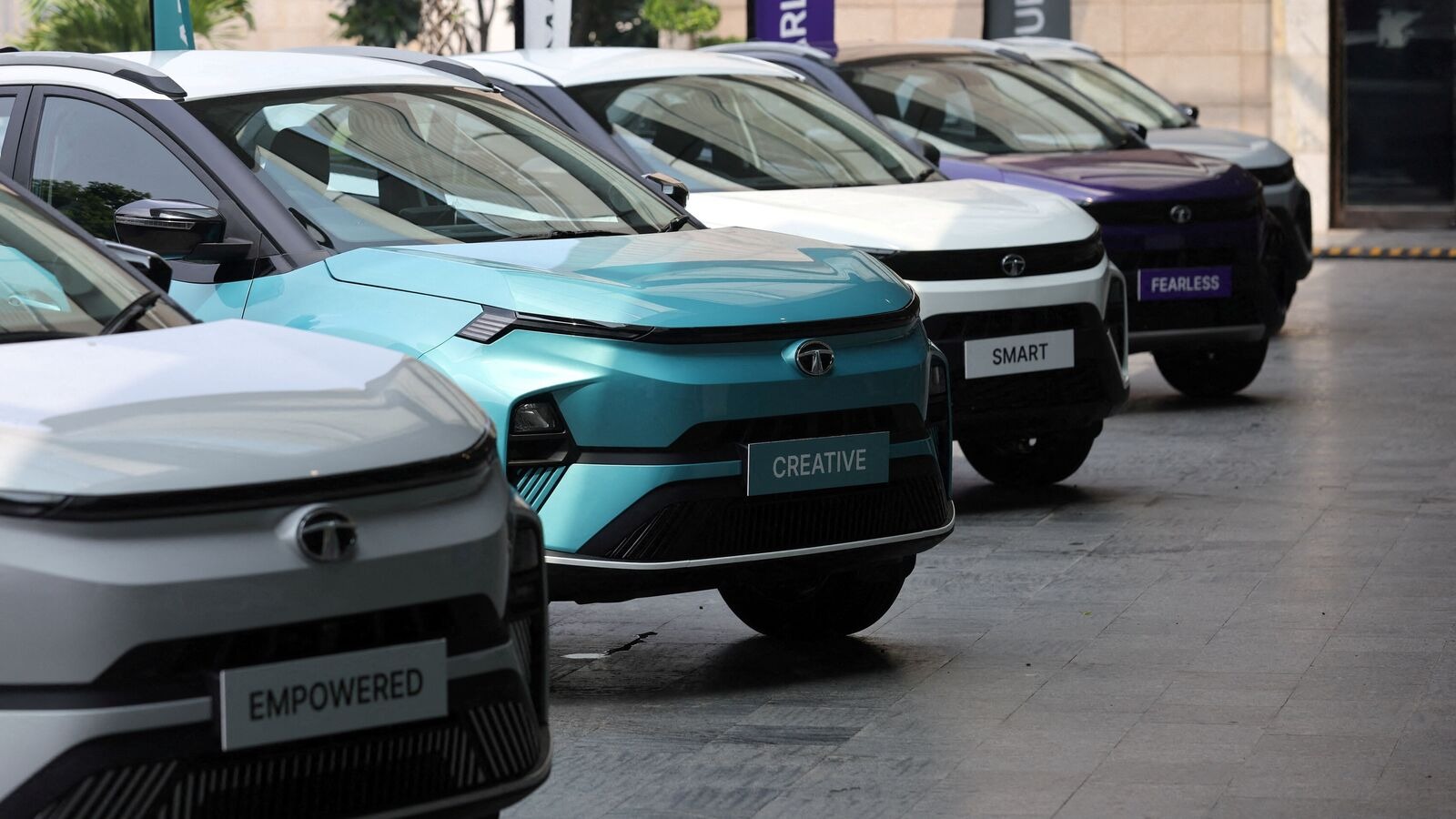
In the passenger vehicle (PV) segment, India auto retail sales recorded a sharp 23.25% year-on-year growth during May 2026. According to the official statistical disclosure from FADA, the PV segment reached an all-time high for the month of May, supported by strong structural consumer interest in sports utility vehicles (SUVs) and newly launched alternative-powertrain options, including hybrid and compressed natural gas (CNG) models.
Dealership networks reported that a heavy concentration of marriage-season demand and targeted promotional discounts significantly accelerated buyer handovers. This rapid liquidation successfully lowered average dealer inventory exposure. The vehicle accumulation range, which had previously spiked to a strained 60-day threshold earlier in the year, dropped back into a highly sustainable 28-to-30-day structural band. This inventory correction drastically reduced working capital financing costs for localized dealer networks coast-to-coast.
Steady Gains in Two-Wheeler and Rural Retail Volume
The high-volume two-wheeler segment also sustained positive momentum, with retail sales rising by 7.54% year-on-year in May 2026. This performance was anchored by leading manufacturers such as TVS Motor Company, which benefited directly from an expansion in rural liquidity following a successful rabi harvest. FADA notes that while intense hot weather throughout northern and western states slightly curbed afternoon showroom traffic, the overall purchasing cycle remained resilient due to digital bookings and improved product availability.
The sub-segment data highlights a fundamental shift in purchasing geography:
Hinterland Dominance: Rural two-wheeler retail registrations expanded by a decisive 12.30% year-on-year, handily outpacing urban buying speeds.
Affordability Buffers: Volume momentum was reinforced by structural tax rationalizations continuing under the updated GST 2.0 consumer framework.
EV Transition Footprint: Electric two-wheeler adoption reached a stable milestone, capturing a record 16% of total category sales across progressive states like Maharashtra and Karnataka.
The broad-based rural recovery confirms that expanding farm incomes from a successful agricultural cycle have converted latent consumer aspirations into active, cash-backed vehicle acquisitions.
Commercial Vehicle Registrations Post Favorable Uptick
India auto retail sales for the commercial vehicle (CV) segment expanded by 5.29% year-on-year in May 2026. The uptick reflects steady corporate replacement cycles and continuous state outlays toward massive national highway development, smart city layouts, and mining projects. Medium and heavy commercial trucks led the sub-segment demand matrices, offsetting minor lulls in light commercial logistics. Financial analysts highlight that the steady expansion of CV sales serves as a primary indicator of healthy industrial output, as businesses expand logistics fleets to manage rising interstate freight volumes.
Official Sources Section
The multi-segment registration figures, percentage shifts, and inventory statuses detailed in this report were officially compiled and released by the Federation of Automobile Dealers Associations (FADA) utilizing statutory data from the Ministry of Road Transport and Highways automated Vahan dashboard.
Quote Section
FADA leadership emphasized that the domestic market is displaying an encouraging combination of structural resilience and calculated inventory balancing.
"According to officials, the broad-based growth recorded across the industry in May proves that consumer pull remains firm. While high atmospheric temperatures present a localized hurdle for walk-ins, the combination of marriage-season deliveries and financial-year OEM scheme cycles has successfully sustained our retail velocity."
Why It Matters
For average consumers, the current trajectory of India auto retail sales means more competitive pricing and better model availability at local dealerships, as manufacturers work closely with dealers to maintain optimal inventory levels. For corporate logistics operators, small businesses, and agricultural buyers, the steady growth across commercial and two-wheeler fleets signals strong underlying economic cash flows. More broadly, for international investors, these figures provide concrete evidence that domestic consumption in India remains vibrant, insulating the local corporate sector from global energy price uncertainty and macroeconomic headwinds.
Key Facts at a Glance
Overall Expansion: Total India auto retail sales rose 9.55% year-on-year during the month of May 2026.
Passenger Vehicle Boom: Passenger car and SUV retail registrations led all major categories with a sharp 23.25% year-on-year surge.
Two-Wheeler Resilience: Two-wheeler registrations grew 7.54% year-on-year, driven by rural liquidities and manufacturers like TVS Motor.
Commercial Growth: Commercial vehicle sales increased by 5.29% year-on-year, backed by continuous infrastructure and logistics demand.
Inventory Stability: Passenger vehicle stock levels at dealerships remained healthy, hovering between 28 and 30 days of forward supply.
FAQ Section
1. What was the main reason behind the massive surge in passenger vehicle sales?
The sharp 23.25% increase in passenger vehicle sales was primarily driven by high demand linked to the extended summer marriage season, strong consumer preference for SUVs, and enticing promotional schemes rolled out by dealers.
2. How did the two-wheeler segment perform in May 2026?
The two-wheeler segment recorded a steady 7.54% year-on-year growth. The momentum was supported by stable rural cash flows following the harvest season and a steady increase in electric vehicle adoption.
3. What does commercial vehicle retail growth indicate about the broader economy?
The 5.29% growth in commercial vehicle registrations indicates ongoing activity in the infrastructure, mining, and long-haul logistics sectors, as businesses continue to upgrade and expand their industrial transportation fleets.
4. Are high dealer inventory levels still an issue for Indian automakers?
No. Thanks to strong retail handovers in May, average passenger vehicle inventory levels have dropped and stabilized into a healthy 28-to-30-day window, preventing excessive capital blockages for local dealers.
Source: Official monthly vehicle registration statistical indices and media briefings published by the Federation of Automobile Dealers Associations (FADA) and automated national registration registries managed by the Ministry of Road Transport and Highways.