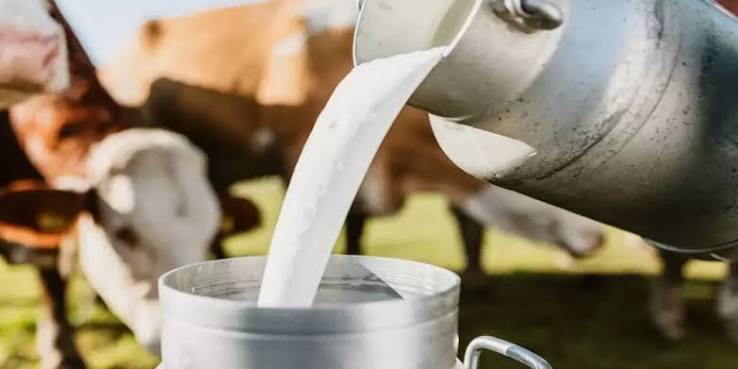
Driven by changing consumer tastes and urban demand, India's dairy sector is experiencing rapid expansion in small-batch artisanal cheesemaking. Fromageries across Mumbai, Bengaluru, and Gujarat are converting local milk into gourmet varieties like burrata and gouda, creating high-value income streams for farmers while elevating domestic dairy craftsmanship.
NEW DELHI — India, the world’s largest producer and consumer of milk, is undergoing a significant structural shift in its value-added dairy sector as Indian artisanal cheese production gains momentum across major urban centers. According to industry monitoring data released by the Food Processing Ingredients Skills Council (FICSI) and market analysis disclosures on Tuesday, July 28, 2026, small-batch fromageries across Mumbai, Bengaluru, Gujarat, and Himachal Pradesh are expanding domestic capacity to meet growing consumer demand for locally crafted European-style cheeses. This development represents an important milestone in India's agricultural diversification, transitioning the nation's 190-million-tonne annual milk output beyond traditional paneer and processed dairy blocks toward high-margin, specialized culinary products.
Evolution of Dairy Processing: From Paneer to Handcrafted Varieties
Historically, processed cheese blocks and unaged fresh curd products such as paneer dominated India’s domestic cheese consumption. While traditional regional varieties like Bandel from West Bengal and Kalari from Jammu & Kashmir existed historically, their commercial distribution remained limited to localized pockets.
Following the cooperative dairy movement initiated during Operation Flood in the late 20th century, large-scale industrial processors established mass-market distribution networks. However, changing demographic preferences, expanding urban middle-class disposable incomes, and broader exposure to international culinary standards have accelerated market adoption of Indian artisanal cheese. Small-scale fromageries now utilize specialized fermentation cultures and traditional aging processes to manufacture varieties such as burrata, brie, gouda, feta, and aged cheddar.
Regional Fromageries and Agropastoral Innovation
The growth of Indian artisanal cheese is supported by diverse regional production centers that leverage localized milk sourcing from traditional agropastoral communities:
Western India (Mumbai & Gujarat): Enterprise units such as Eleftheria Cheese and The Cheese Collective operate specialized urban facilities, while pastoral ventures like Panchal Dairy in Gujarat process goat and sheep milk into handcrafted chèvre and halloumi.
Southern India (Bengaluru & Chennai): Outlets including Begum Victoria and regional farmstead producers incorporate indigenous ingredients and fresh herd milk to serve upscale retail and hospitality sectors.
Northern Hill Regions (Himachal Pradesh & Rajasthan): Mountain-based micro-dairies such as Amiksa utilize high-altitude cow milk, while pastoral initiatives in Rajasthan process camel milk into specialized artisan feta.
According to industry reports from IMARC Group, retail volumes for specialized dairy items have expanded rapidly, supported by direct-to-consumer digital commerce, cold-chain logistics improvements, and premium food service partnerships.
Supply Chain, Cold Storage, and Economic Impact
The expansion of Indian artisanal cheese manufacturing directly benefits dairy farmers, pastoral herders, and food service supply networks. By converting raw milk into aged or gourmet cheese, small-scale producers achieve significantly higher price realization per liter compared to liquid milk sales.
However, scaling domestic production requires rigorous quality management and temperature-controlled logistics. Dairy processing standards mandated by the Food Safety and Standards Authority of India (FSSAI) require strict adherence to pasteurization protocols, bacterial culture safety, and cold-chain integrity from farm collection to retail display. Hospitality chains and specialty retailers are increasingly allocating shelf space to domestic craft brands to reduce dependence on imported dairy products.
Official Sources Section
According to official updates, industry publications, and regulatory frameworks:
Quote Section
According to industry analysts and official updates:
"According to officials, the structural shift toward artisanal dairy processing allows Indian farmers and independent cheesemakers to add substantial value to raw milk supplies while satisfying evolving domestic culinary demand."
Why It Matters
The mainstream adoption of Indian artisanal cheese provides a vital income-diversification channel for rural dairy farmers and pastoral communities. For consumers, locally produced handcrafted cheese offers fresher alternatives to long-distance imported items. For the broader economy, the growth of high-value dairy processing strengthens India's rural supply chains, encourages infrastructure investment in cold-chain logistics, and positions the domestic dairy market for global culinary recognition.
Key Facts at a Glance
Global Market Context: India produces over 190 million tonnes of milk annually as the world's top dairy nation.
Core Product Shift: Consumers are expanding beyond paneer and processed cheese toward handcrafted brie, gouda, burrata, and feta.
Key Production Centers: Active clusters operate in Maharashtra, Karnataka, Gujarat, Rajasthan, and Himachal Pradesh.
Distribution Channels: Growth is driven by specialty stores, e-commerce platforms, luxury hospitality, and farm-to-table initiatives.
Frequently Asked Questions (FAQ)
What distinguishes Indian artisanal cheese from commercial processed cheese?
Artisanal cheese is handcrafted in small batches using natural fermentation cultures, traditional aging techniques, and minimal additives, whereas processed cheese is mass-produced using emulsifiers and heat treatments for standardized shelf stability.
Which types of milk are used in Indian artisanal cheesemaking?
While cow and buffalo milk remain the primary sources, artisanal makers also process goat, sheep, and camel milk sourced from pastoral herding communities.
How are food safety standards enforced for craft cheeses in India?
All commercial cheesemakers must comply with standards set by the Food Safety and Standards Authority of India (FSSAI) regarding hygiene, pasteurization, microbial safety, and packaging.
Where can consumers purchase locally crafted artisan cheeses?
Products are distributed through gourmet supermarkets, direct-to-consumer e-commerce platforms, specialty online food portals, and high-end restaurants.
Source: Food Industry Capacity and Skill Initiative (FICSI), Department of Animal Husbandry and Dairying, Food Safety and Standards Authority of India (FSSAI), IMARC Group