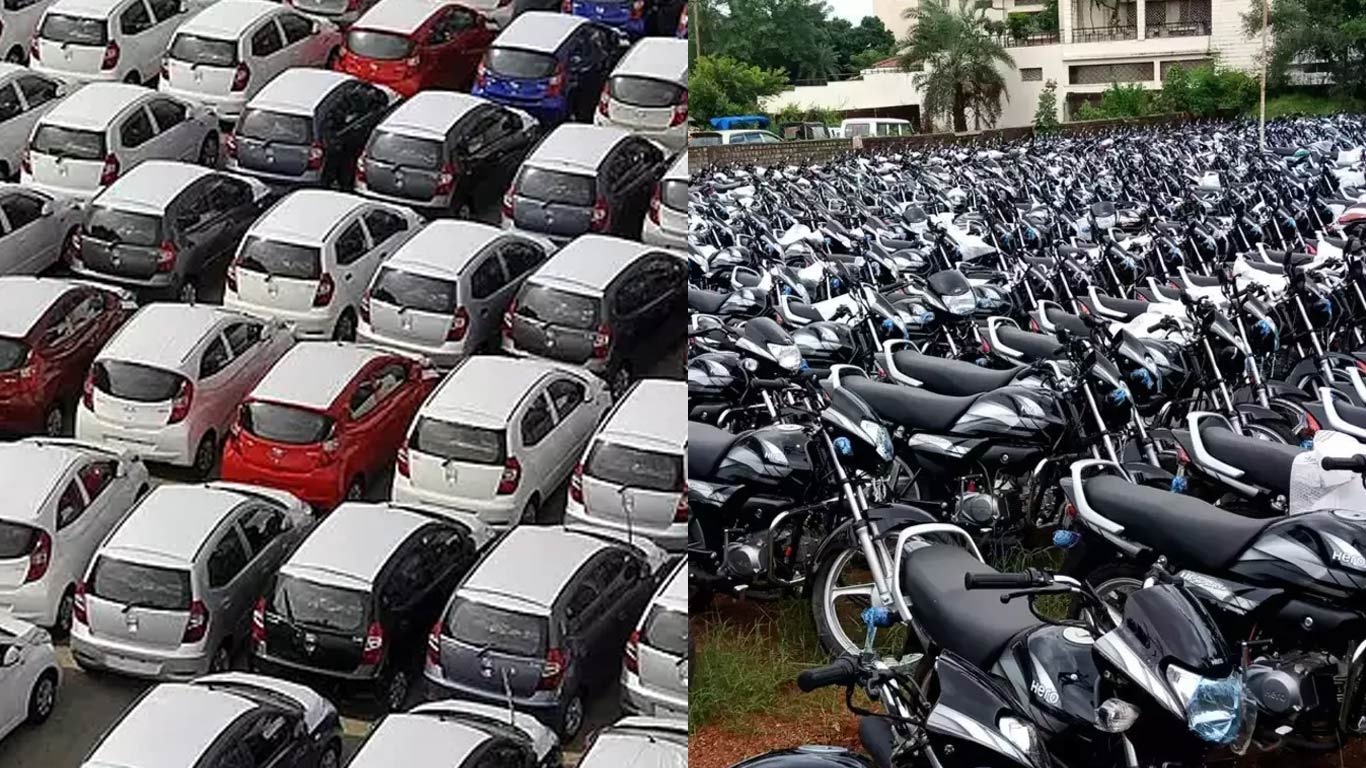
India’s total vehicle retail sales jumped 21.83% year-on-year in June, according to the Federation of Automobile Dealers Associations (FADA). Passenger vehicles led the surge with a 28.63% expansion, while two-wheelers and commercial vehicles posted solid double-digit increases backed by improving rural cash flows and steady infrastructure projects.
NEW DELHI — India's automotive retail sector experienced a significant demand surge in June 2026, with overall auto retail sales rising 21.83% year-on-year. Data released today by the Federation of Automobile Dealers Associations (FADA) reveals double-digit volume growth across all major registration segments, defying historical June seasonal slowdowns.
The sudden retail acceleration is heavily supported by a multi-fuel product push from vehicle manufacturers, a minor recovery in entry-level rural commuting markets, and robust demand for high-end sport utility vehicles (SUVs) and electric vehicles (EVs).
Passenger Vehicles Lead With Historic 28 Percent Expansion
The clear standout in FADA's June registration data was the passenger vehicle (PV) segment. According to the autodealers body, June passenger vehicle retail sales rose 28.63% year-on-year, a dramatic jump compared to the muted single-digit growth rates registered during the same period last year.
Dealer inventory metrics indicate that while channel stock remains a key metric to track, healthy order books for newly launched compact SUVs and competitive alternative-powertrain choices including Compressed Natural Gas (CNG) and hybrid engines carried major momentum into the summer.
The data confirms that the consumer preference pivot toward utility vehicles shows no signs of slowing down, now commanding well over half of the aggregate domestic passenger vehicle market share. Concurrently, a revival in affordable, entry-level hatchbacks led by first-time buyers across tier-2 and tier-3 towns has provided a critical volume floor to the market.
Two-Wheeler and Commercial Vehicle Verticals Record Double-Digit Gains
The foundational two-wheeler segment also clocked impressive macro numbers. June two-wheelers retail sales rose 21.22% year-on-year. This rapid acceleration is a direct byproduct of a stabilizing rural economy as the seasonal Southwest monsoon begins advancing across agricultural interior belts. Rising rural cash flows, tied to early Kharif crop sowing activities, directly translated into robust off-take for fuel-efficient commuter motorcycles and electric scooters.
| Vehicle Category | June Year-on-Year Growth Rate | Primary Macro Support Vectors |
| Passenger Vehicles | 28.63% | Compact SUV preference, alternative powertrains |
| Overall Auto Retail | 21.83% | Consolidated cross-segment consumption trends |
| Two-Wheelers | 21.22% | Rural cash flow improvement, EV scooter demand |
| Commercial Vehicles | 16.88% | Heavy infrastructure scaling, e-commerce shipping |
Simultaneously, the commercial vehicle (CV) vertical maintained its upward economic trajectory. June commercial vehicle retail sales rose 16.88% year-on-year. Logistical demand stemming from rapid intercity e-commerce expansions boosted Light Commercial Vehicle (LCV) sales, while steady central government spending on long-haul multi-modal transport networks kept Heavy Commercial Vehicle (HCV) deliveries consistently in the green.
Official Sources Section
The underlying monthly retail volumes, segment percentages, and localized market updates are extracted entirely from the official June statutory registrations report compiled by the Federation of Automobile Dealers Associations (FADA), India. Data reflects real-time vehicle numbers captured digitally via the Ministry of Road Transport and Highways' centralized VAHAN dashboard application.
Quote Section
"According to officials at the automobile dealers body FADA, the stellar performance across the mid-year window highlights a fundamental structural shift in Indian consumer behavior. Industry organizers stated that while close attention must be paid to dealer channel inventory buffers so they do not stray far past the standard 21-day safety line, the baseline demand from both urban center clusters and rural agricultural markets remains incredibly resilient."
Why It Matters
For economic analysts and market investors, the 21.83% jump in total vehicle registrations serves as a primary, real-time indicator of strong domestic consumption inside India. For auto component manufacturers and retail dealerships, the sustained double-digit expansion validates the current capital investments being channeled into manufacturing plant expansions and localized electric powertrain production lines.
Key Facts at a Glance
Overall Retail Jump: Total Indian automotive retail sales expanded by 21.83% year-on-year during June.
Passenger Car Boom: The passenger vehicle sector led all segments, clocking a 28.63% annual growth rate.
Two-Wheeler Momentum: Two-wheeler registrations jumped 21.22%, heavily assisted by rural economic stabilization.
Logistical Strength: Heavy infrastructure deployment pushed commercial vehicle sales up by 16.88% year-on-year.
FAQ Section
What is driving the massive surge in India's passenger vehicle sales?
The 28.63% year-on-year spike is primarily propelled by a strong consumer shift toward compact SUVs, continuous new vehicle launches, and a rising market share for hybrid, CNG, and pure electric models.
How are rural markets influencing overall automotive retail trends?
Rural cash flows have firmed up due to the steady progression of the Southwest monsoon. This has triggered a notable volume recovery in the entry-level motorcycle segment and affordable commuter hatchbacks.
Why is FADA monitoring dealer inventory levels closely despite strong sales?
FADA maintains a strict 21-day recommended safety benchmark for vehicle stocks. If automakers push wholesale inventory onto dealerships faster than real-time retail demand can clear them, it can lock up dealer operational capital.
Source: Federation of Automobile Dealers Associations Press Room, Ministry of Road Transport & Highways VAHAN Portal.