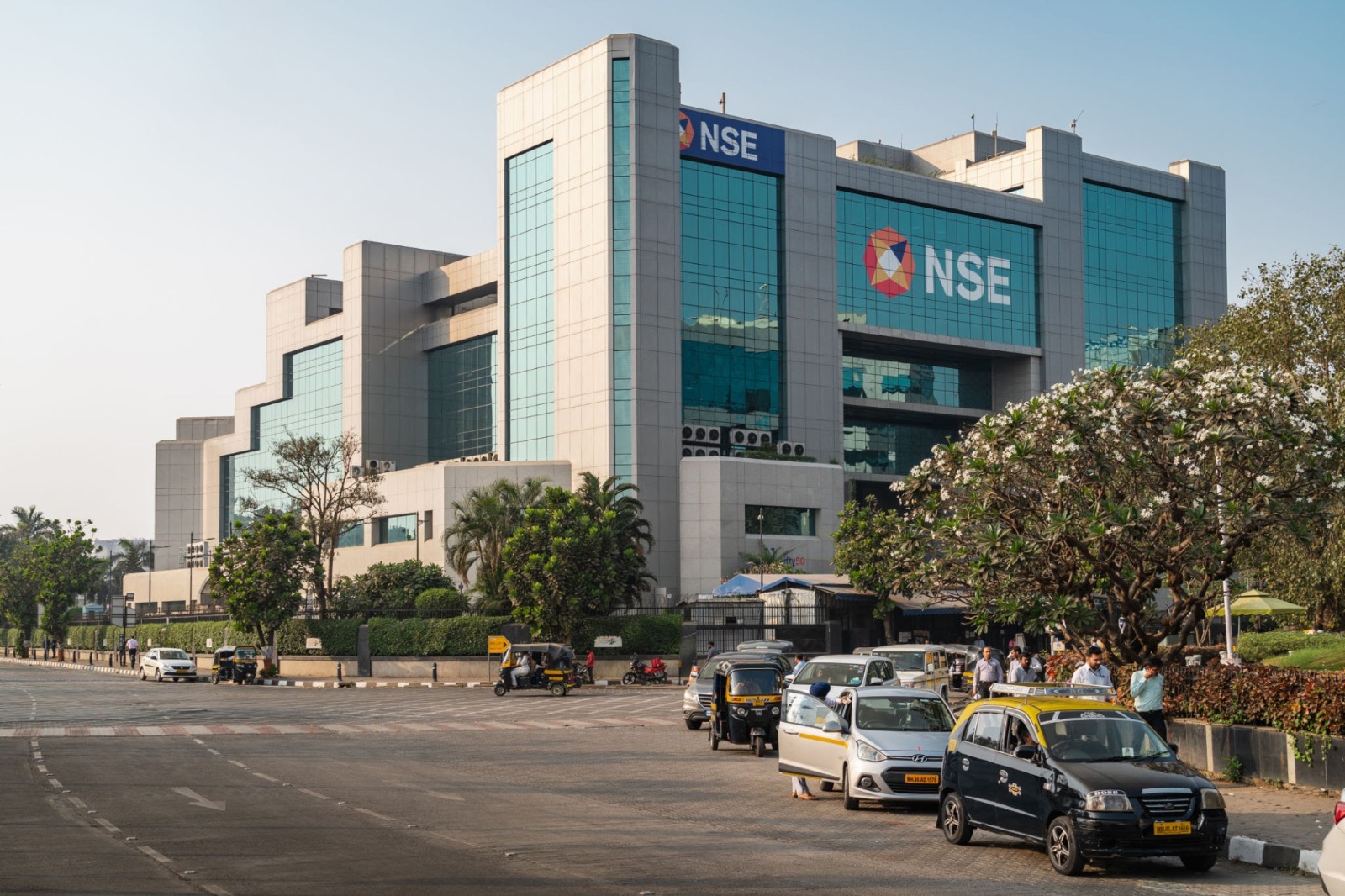
The NSE Nifty 50 index pared its initial daily gains to finish nearly flat, up 0.02% at 23,377.45 on Wednesday. Strong morning gains led by FMCG and banking sectors were erased by late-afternoon profit booking, driven by steady foreign capital outflows and broader global macroeconomic headwinds.
India's benchmark equity index, the NSE Nifty 50, pared nearly all its intra-day gains on Wednesday, finishing the trading session virtually unchanged as late-afternoon profit booking erased a robust morning rally. The index closed marginally higher by 0.02% at 23,377.45, recovering slightly from mid-session dips but failing to sustain its earlier momentum where it tested higher resistance levels.
The early-hour momentum on the National Stock Exchange of India was driven by aggressive domestic institutional buying and strong corporate performance updates in the fast-moving consumer goods (FMCG) and banking sectors. However, macro headwinds, including persistent foreign portfolio investor (FPI) capital outflows and unresolved shipping tensions affecting global energy passages, prompted market participants to lock in profits during the final hour of trade.
Macro Economic Pressures Limit Upside
According to regular financial updates from institutional trading desks, the broader Indian equity market faced localized selling pressure in high-valuation segments. This trend developed even as large-cap companies like Hindustan Unilever and Reliance Industries provided structural support to the benchmarks. While the morning trade reflected a strong appetite for sectors insulated from global supply chain disruptions, international portfolio realignments caused notable resistance near daily highs.
Data from exchange operations indicates that foreign institutional investors continue to maintain a net-selling posture in equities throughout the first half of June. This follows historical capital reallocations observed in April and May, where cross-border funds rotated assets toward western indices or fixed-income markets. This steady outflow offset the sustained liquidity injections coming from domestic mutual funds and retail trading accounts.
Geopolitical and Commodity Factors Under Watch
Market analysts noted that investor sentiment globally remains tightly linked to tracking trade routes and energy pricing. Although regional supply chain pressures saw a mild reprieve earlier in the week due to temporary geopolitical standstills, underlying risks concerning high transit costs and fuel import bills keep absolute bullishness in check for oil-dependent emerging economies like India.
Furthermore, domestic market participants have focused closely on the recent policy directions issued by the Reserve Bank of India (RBI). In its latest monetary policy meeting, the central bank opted for a status quo on benchmark interest rates, underscoring the necessity to anchor core consumer inflation before initiating a monetary easing cycle. The restriction on liquidity expansion has pushed several investors toward selective, defensive stock picking rather than broad-based index long positions.
Quote Section
"According to officials from major domestic institutional brokerages, the market is navigating a classic consolidation phase. While domestic retail inflows remain robust, the steady offloading by offshore funds near resistance zones is keeping index gains limited."
Why It Matters
For regular retail investors and mutual fund holders, the flat closing pattern underscores the importance of staggered investing over lump-sum exposures during volatile periods. For businesses and corporate treasuries looking to raise capital through primary markets, the paring of gains signifies that institutional pricing models remain strict, prioritizing firms with clear earnings visibility over speculative growth plays.
Key Facts at a Glance
Index Closing: The NSE Nifty 50 finished at 23,377.45, up marginally by 0.02%.
Intra-day Range: The index opened at 23,233.95 and touched a high of 23,408.95 before erasing its advances.
Institutional Activities: Foreign Portfolio Investors maintained a net-seller status, counteracted by net buying from Domestic Institutional Investors.
Sector Performance: FMCG and select private banks led the advances, while information technology and metal counters faced profit taking.
FAQ Section
What does 'paring gains' mean in stock market terms?
Paring gains refers to a market scenario where an index or a stock surrenders a significant portion of the price increases it achieved earlier during the trading day, usually due to a wave of selling or profit booking.
Why did the Nifty 50 fail to hold its morning rally?
The index lost its upward momentum due to continuous institutional selling by foreign funds and cautious investor sentiment tied to international macro factors, which prompted traders to book profits at higher levels.
How does the current Nifty 50 level compare to its 52-week parameters?
The index continues to trade within a consolidated range well above its 52-week low of 22,182.55, though it remains below its absolute historic high of 26,373.20.
What sectors are showing the most resilience right now?
Defensive sectors such as fast-moving consumer goods (FMCG), healthcare, and private banking firms are showing the strongest holding patterns due to stable earnings visibility.
Source: National Stock Exchange of India, Reserve Bank of India Monetary Policy Publications