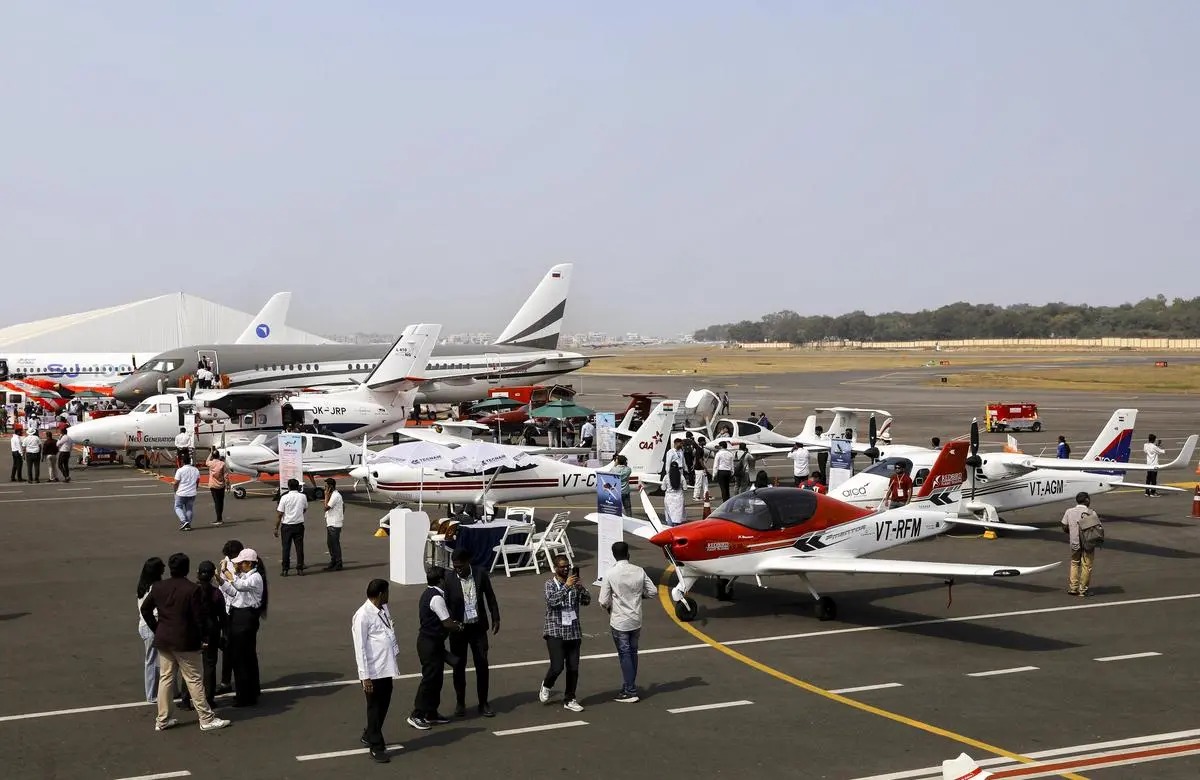
India's Ministry of Civil Aviation announced plans to operationalize a nationwide hub-and-spoke model involving 44 airports, comprising 4 major international hubs and 40 spoke airports. The initiative enables passengers at regional Tier-II and Tier-III airports to complete international customs, baggage drop, and immigration clearance locally before connecting overseas.
NEW DELHI — The Ministry of Civil Aviation officially announced on July 28, 2026, a comprehensive policy framework to establish a nationwide hub-and-spoke aviation model encompassing 44 targeted airports across India.
The strategic initiative, designed to transform India into a primary global transit hub, comprises 4 central international hub airports and 40 regional spoke airports. Civil Aviation Secretary Samir Kumar Sinha and Union Civil Aviation Minister K. Rammohan Naidu detailed the expansion during the launch of Air India’s 'Easy Connect' hub-and-spoke service at Sri Guru Ram Dass Jee International Airport in Amritsar. Under this network model, passengers originating from regional airports can complete single-point check-in, customs declarations, security screenings, and immigration processing at their point of origin prior to transiting through major hubs like Indira Gandhi International Airport in Delhi.
Operational Structure and Decentralized Processing
The hub-and-spoke model marks a structural evolution in Indian civil aviation, shifting the national transit footprint away from exclusive reliance on metro point-to-point connections toward integrated long-haul networks.
Under standard operating procedures established by the Ministry of Civil Aviation, departure formalities are shifted to regional spoke facilities:
Origin Processing: Passengers departing from designated spoke airports undergo complete international immigration, customs inspection, and baggage drop at their local terminal.
Direct Transit: Upon arrival at major primary hubs (such as Delhi), transit passengers bypass domestic-to-international terminal transfers, re-checking baggage, and secondary landside customs lines, proceeding directly to international security hold areas.
Expanded Footprint: Following the initial operational rollouts at Varanasi and Amritsar, the Ministry plans to integrate upcoming spoke locations including Ahmedabad, Goa, Kochi, and Pune.
Economic and Strategic Infrastructure Impact
The transition to a nationwide hub-and-spoke architecture is designed to capture international traffic that historically transited through foreign hubs in the Middle East and Southeast Asia.
According to economic projections published by civil aviation authorities, developing domestic aviation hubs is estimated to generate approximately 400,000 direct and indirect jobs while adding $30 billion to India’s gross domestic product (GDP) by 2030. For international airlines, airport operators, and domestic carriers like Air India, the framework maximizes aircraft fleet utilization, reduces turnaround bottlenecks at crowded metro airports, and expands long-haul passenger feeds from high-growth regional industrial centers.
Official Sources Section
According to official announcements released by the Ministry of Civil Aviation and public sector briefings distributed via the Press Information Bureau (PIB), the hub-and-spoke Standard Operating Procedures (SOP) were formally institutionalized following multi-stakeholder consultations. Operational coordination and airport infrastructure assessments are managed jointly by the Airports Authority of India (AAI) and participating national air carriers.
Official Statement
"According to officials, the hub-and-spoke model creates a seamless international travel ecosystem from Tier-II and Tier-III cities, reinforcing national aviation sovereignty while cutting transit friction for global travelers."
Why It Matters
Implementing decentralized immigration and baggage handling at 40 regional spoke airports eliminates repetitive security checks and terminal transfers at major metro gateways. For travelers from non-metro regions, the system shortens overall travel times, simplifies international departures for elderly and family passengers, and enhances direct economic and trade linkages between regional business hubs and global markets.
Key Facts at a Glance
Network Scope: 44 total airports, structured into 4 primary hubs and 40 regional spokes.
Key Function: On-site customs, immigration, and baggage check at origin Tier-II and Tier-III airports.
Active Routes: Operating from Varanasi and Amritsar, connecting onward to over 27 global destinations via Delhi.
Economic Projection: Anticipated creation of 400,000 jobs and $30 billion GDP contribution by 2030.
Frequently Asked Questions (FAQ)
What is the hub-and-spoke aviation model introduced in India?
The hub-and-spoke model allows international passengers departing from smaller regional airports ("spokes") to clear customs, immigration, and baggage check locally before seamlessly connecting to overseas flights via major gateway airports ("hubs").
Which airports are currently operating under this new system?
Varanasi and Amritsar are the first regional spoke airports where the hub-and-spoke system has been formally launched, transiting passengers through Delhi.
Do passengers using spoke airports need to collect luggage or re-clear immigration in Delhi?
No, under the 'Easy Connect' framework, baggage is checked through to the final overseas destination, and immigration formalities are completed entirely at the initial regional spoke airport.
Where can citizens verify official aviation policies and airport schedules?
Official notifications, regulatory guidelines, and participating airport announcements are accessible on the web portals of the Ministry of Civil Aviation and the Airports Authority of India (AAI).
Source: Official press releases and policy briefs from the Ministry of Civil Aviation, public dispatches from the Press Information Bureau (PIB), network updates from Air India Official Portal, and facility status reports from the Airports Authority of India.