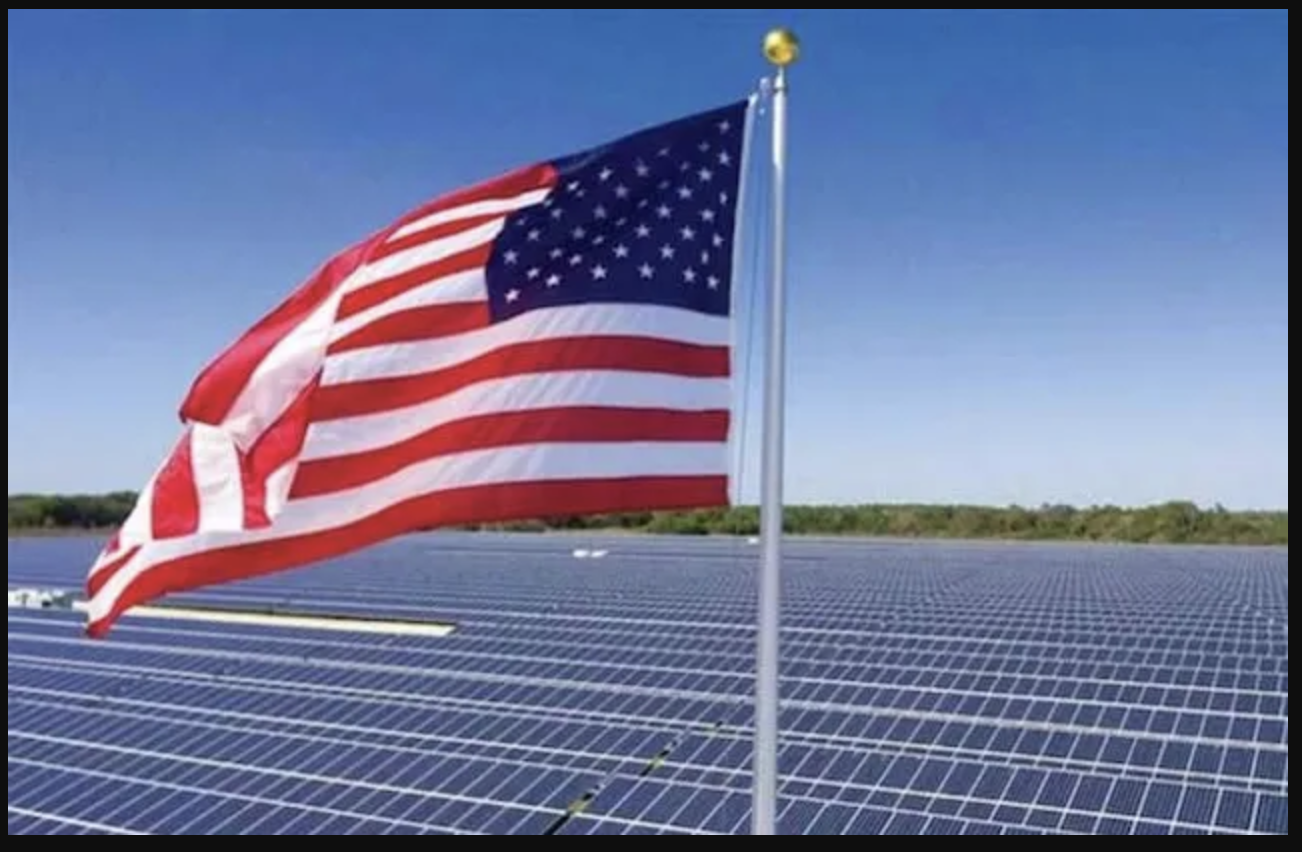
An Indian trade official announced that New Delhi expects a U.S. review of the restrictive 123.04% anti-dumping duties on Indian solar imports. Simultaneously, India is readying new anti-dumping duties and trade remedies to curb steel dumping, safeguarding local industrial ecosystems against subsidized foreign supply chains.
New Delhi targets trade remedies to protect domestic manufacturing and secure key export corridors.
NEW DELHI — An Indian trade official confirmed on June 10, 2026, that India expects a formal United States review of steep anti-dumping duties recently levied on Indian solar products. Concurrently, New Delhi is actively exploring new anti-dumping duties and alternative trade remedies to halt aggressive steel dumping into its domestic market. The twin trade strategies highlight India’s growing efforts to safeguard its domestic industrial supply chains amid highly volatile global clean energy and infrastructure markets.
India Seeks Relief From U.S. Solar Tariffs
The push for a U.S. administrative review follows a preliminary determination by the U.S. Department of Commerce to slap an anti-dumping duty of 123.04% on crystalline silicon photovoltaic cells and modules imported from India. Coupled with existing countervailing duties, the combined tariff stack on Indian clean energy shipments exceeds 200%. This tariff wall threatens to lock top Indian solar equipment exporters out of a vital Western market.
According to commerce officials, U.S. solar imports from India expanded rapidly from 232 megawatts in 2022 to 2.3 gigawatts by late 2024, valued at nearly $792.65 million. The Indian trade official emphasized that the current export barriers are under active bilateral discussion, and local manufacturers remain hopeful that final determinations, expected later this year, will provide critical relief. Domestic clean energy trade bodies have labeled the initial U.S. investigative findings flawed, though exporters have buffered some of the immediate economic shock by diversifying their shipments to Europe and West Asia.
Escalating Remedies to Combat Steel Dumping
On the domestic front, New Delhi is pivoting to a protective posture to shield local heavy industry from cheap steel inflows. An Indian trade official stated that the government is actively evaluating the imposition of fresh anti-dumping duties to curb steel dumping, which domestic manufacturers allege is distorting local market dynamics.
The state intervention comes as global manufacturers look to offload excess steel inventory into rapidly expanding developing economies. India has already deployed specific trade defenses, including a five-year anti-dumping duty of $223.82 per ton on imports of Chinese cold-rolled non-oriented electrical steel (CRNO). Officials indicated that the government is prepared to broaden these measures across other steel segments if cheap imports continue to threaten domestic production margins.
Official Sources Section
The updates come directly from briefings by senior Indian trade officials on June 10, 2026. Data on tariff percentages, trade volumes, and regulatory timelines match public filings from the U.S. Department of Commerce and formal initiation notices issued by India's Directorate General of Trade Remedies (DGTR).
Quote Section
Addressing the dual trade developments, the Indian trade official stated:
"India expects a U.S. review of anti-dumping duties on Indian solar products. At the same time, India is looking at anti-dumping duties and other trade remedies to curb steel dumping into our market."
The official added that allegations concerning surplus manufacturing capacity in India's steel and textile sectors are unfounded:
"India's textile and steel manufacturing output remains low relative to its per capita consumption. We do not have surplus manufacturing capacity as alleged in foreign trade probes."
Why It Matters
For investors and industrial entities, these trade maneuvers are critical. If India successfully negotiates a lower U.S. solar tariff, top domestic clean energy firms will regain access to their most lucrative export corridor, supporting India's production-linked incentive (PLI) expansions.
Conversely, for engineering and infrastructure firms, new domestic steel remedies will safeguard primary steelmakers from foreign undercutting, though they could marginally push up baseline raw material costs for localized construction and manufacturing projects.
Key Facts at a Glance
Solar Tariff Burden: The U.S. applied a preliminary 123.04% anti-dumping duty on Indian solar cells and modules, bringing total combined trade barriers above 200%.
Export Growth: Indian solar shipments to the U.S. surged significantly to reach 2.3 gigawatts in 2024 before trade actions slowed momentum.
Steel Protections: New Delhi is evaluating fresh anti-dumping penalties to prevent foreign suppliers from undercutting domestic steel mills.
Capacity Rebuttal: Trade officials rejected international claims of industrial overcapacity, citing low local production compared to domestic per capita consumption.
FAQ Section
What triggered the high U.S. tariffs on Indian solar products?
The U.S. Department of Commerce instituted preliminary duties following petitions from domestic American manufacturers, who claimed foreign solar components were being sold below fair market value.
When is a final decision expected on the U.S. solar duties?
The U.S. regulatory bodies are slated to release finalized determinations and injury assessments for major affected regions later in 2026.
Which countries are driving India's steel dumping concerns?
While officials have not explicitly named specific nations for the upcoming round of remedies, recent actions have primarily targeted low-cost steel flows originating from major East Asian hubs, including China.
Source: U.S. Department of Commerce, Directorate General of Trade Remedies (DGTR), and Reuters/AP verified statements.