India’s next metals growth cycle will be driven by organized recycling rather than primary mining, according to a report by Ashika Institutional Equities. Driven by electrification demand and strict EPR regulations, access to scrap networks and value-added alloy processing is replacing mining ownership as the key driver of long-term profitability.
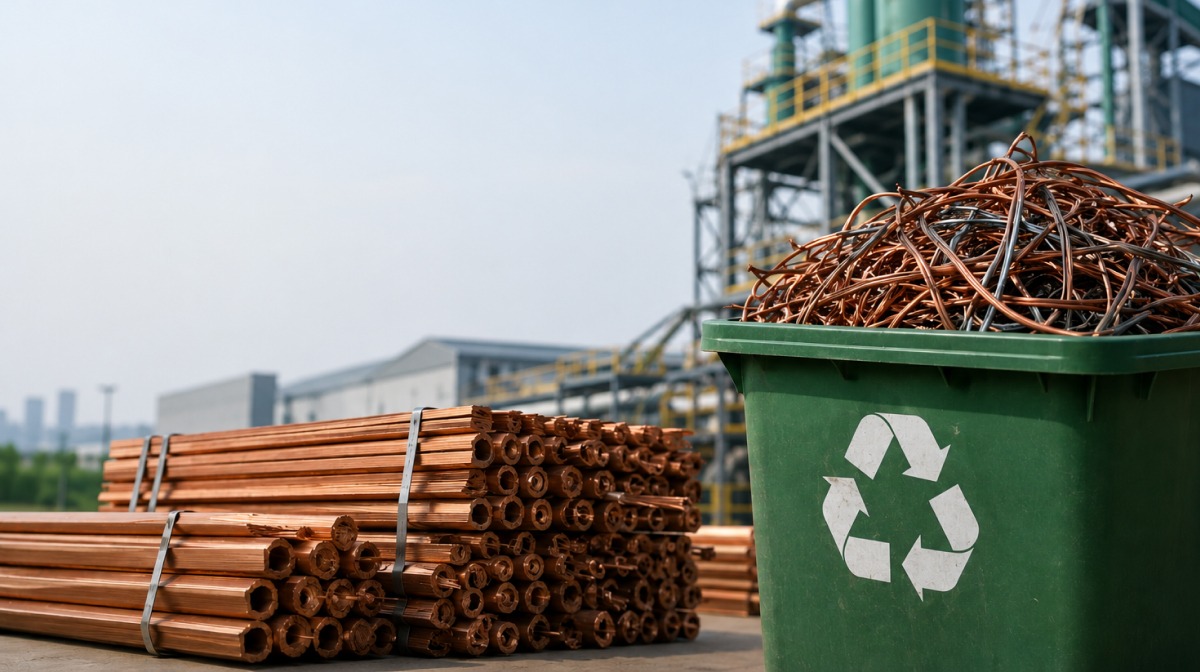
NEW DELHI — India’s next major growth cycle in the metals sector will be propelled by organized recycling rather than traditional primary mining, according to a research report released by financial firm Ashika Institutional Equities on Friday. The thematic study, titled "Recycling: The New Ore," indicates that securing scrap feedstock, expanding collection networks, and deploying advanced processing technology will supersede mine ownership and raw processing capacity as the core source of competitive advantage and value creation in South Asia's non-ferrous metals industry.
Strategic Shift from Mining to Scrap Processing
The global and domestic metals industries are undergoing a structural transition as accelerating demand for electrification, renewable energy infrastructure, and electric vehicles collides with primary resource constraints and strict environmental regulations.
Secondary metal recovery—specifically lead, copper, and aluminium—is rapidly emerging as an essential supply mechanism to meet domestic consumption without expanding raw mineral extraction liabilities.
"We believe that the next phase of value creation in the metals industry will be driven less by ownership of mines and more by access to scrap, sourcing networks and processing technology," institutional analysts at Ashika stated in the report. "This structural shift forms the foundation of our investment thesis on India's organised non-ferrous recyclers."
Policy Measures Accelerate Sector Formalization
India's metal recycling ecosystem is transitioning rapidly from fragmented, informal processing toward structured, corporate-scale operations. Key legislative policies introduced by the central government are driving this structural change:
Battery Waste Management Rules (BWMR): Enforces strict recycling targets and traceabilities for used lead-acid and lithium-ion storage units.
Extended Producer Responsibility (EPR): Mandates that original equipment manufacturers (OEMs) recycle set percentages of end-of-life products.
Vehicle Scrappage Policy: Streamlines the decommissioning of end-of-life vehicles (ELVs), creating consistent domestic scrap flows.
According to industry analysts, these regulatory frameworks provide long-term operational tailwinds for fully compliant, organized recycling firms while curbing unorganized, environmentally hazardous smelting practices.
High-Value Products and Sub-Sector Dynamics
The report notes that market leaders are shifting focus from simple scrap collection and basic ingot recovery toward high-margin value-added products, such as specialty alloys, specialized conductors, busbars, and engineered copper extrusions.
| Metal | Primary Sector Drivers | Key Industrial Advantage |
| Lead | Automotive replacement batteries, UPS systems | Highest immediate earnings visibility due to predictable closed-loop recycling systems. |
| Copper | Power grids, EV motors, telecom infrastructure | Significant long-term growth potential addressing widening domestic supply deficits. |
| Aluminium | Auto lightweighting, solar panel frames, construction | Consumes up to 95% less energy during recycling compared to primary smelting. |
Official Statements
"Access to scrap is emerging as the most valuable asset," analysts at Ashika Institutional Equities stated in the report disclosures. "Sourcing networks, collection capabilities and regulatory compliance will become more critical than installed capacity in determining long-term industry leadership."
According to report findings released through official channels, value addition will dictate profitability in upcoming financial quarters:
"Value addition is becoming more important than metals recovery," the report noted, adding that future corporate earnings will be driven by maximizing extracted margin per processed tonne rather than pursuing unrefined tonnage expansion alone.
Why It Matters
For domestic manufacturing businesses, consumer durable producers, and automotive OEMs, a strong organized domestic recycling ecosystem secures vital raw material supply chains against international trade shocks, freight disruptions, and volatile primary metal import costs.
For foreign and domestic institutional investors, this transition opens fresh equity allocation opportunities in technology-driven recycling firms. From an environmental standpoint, reliance on recycled scrap significantly curtails industrial carbon emissions, decreases landfill accumulation, and lowers the power intensity required for heavy metallurgical manufacturing.
Key Facts at a Glance
Industry Pivot: India's next metal growth cycle will be driven by organized scrap recycling rather than primary mining.
Core Drivers: Rapid expansion of electrification, renewable energy deployment, and automotive growth.
Key Regulations: Extended Producer Responsibility (EPR) and Battery Waste Management Rules (BWMR) are accelerating sector formalization.
Strategic Focus: Access to reliable scrap sourcing networks is replacing total plant capacity as the primary competitive moat.
Frequently Asked Questions
Why is recycling overtaking mining in India's metals sector?
Recycling consumes significantly less energy, generates lower carbon emissions, bypasses complex mining land acquisitions, and helps narrow national trade deficits by reducing raw metal imports.
How does government policy support metal recycling in India?
Frameworks such as Extended Producer Responsibility (EPR) and Battery Waste Management Rules require manufacturers to recycle products at the end of their lifecycle, channeling raw scrap to organized, compliant recyclers.
Which non-ferrous metals offer the highest growth in recycling?
Lead offers strong immediate visibility due to battery replacement cycles, while copper and aluminium offer long-term upside driven by electric vehicles, power transmission, and renewable energy installations.
What is the main challenge facing organized metal recyclers in India?
Securing consistent, high-quality scrap feedstock through established collection networks remains the single largest operational hurdle for organized players.
Source: Official market research publications by Ashika Institutional Equities and policy frameworks released by the Ministry of Environment, Forest and Climate Change and NITI Aayog.