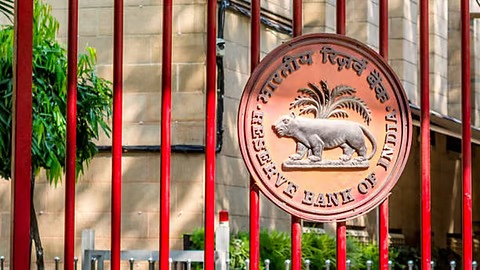
The Reserve Bank of India raised ₹240 billion through the sale of 91-day, 182-day, and 364-day Treasury Bills on July 8, 2026. The auction saw varying yield shifts, with the government continuing its scheduled short-term borrowing program to manage national liquidity needs through secure, sovereign-backed debt instruments.
The Reserve Bank of India’s latest auction of short-term government debt saw competitive bidding across 91-day, 182-day, and 364-day tenors.
MUMBAI — The Reserve Bank of India (RBI) successfully conducted its weekly auction of government Treasury Bills on Wednesday, July 8, 2026, raising a total of ₹240 billion to support the government's short-term liquidity requirements. The auction saw participation from banks, financial institutions, and retail investors, reflecting continued demand for sovereign-backed, short-term debt instruments.
The central bank sold ₹90 billion of 91-day bills, ₹80 billion of 182-day bills, and ₹70 billion of 364-day bills. These instruments, which are issued at a discount and redeemed at face value, are a primary tool for the Government of India to manage its cash flow and meet immediate expenditure needs.
Auction Results and Yield Dynamics
According to the Reserve Bank of India, the cut-off prices and resulting yields for the three tenors were as follows:
91-Day Treasury Bills: Sold at a cut-off price of ₹98.6966, reflecting an implicit yield of 5.2970%, compared to 5.2521% in the previous auction.
182-Day Treasury Bills: Sold at a cut-off price of ₹97.3378, with a yield of 5.4851%, up from 5.4702% previously.
364-Day Treasury Bills: Sold at a cut-off price of ₹94.6575, with a yield of 5.6595%, down from the previous auction's 5.6632%.
Market analysts noted that the mixed yield movement across tenors reflects evolving expectations regarding short-term interest rates and money market liquidity. The 91-day and 182-day tenors saw a marginal rise in yields, while the 364-day tenor experienced a slight decline.
Role in Government Borrowing
Treasury Bills (T-Bills) are short-term, zero-coupon sovereign debt instruments issued by the RBI on behalf of the Government of India. They remain a critical component of the government's market borrowing program. The issuance is part of a larger quarterly calendar that aims to raise ₹336,000 crore in the current quarter ending September 2026.
By utilizing these instruments, the government can effectively bridge temporary mismatches between tax collections and expenditure without resorting to long-term borrowing. For the financial system, these bills serve as high-quality, liquid assets that help manage short-term cash surpluses.
Official Sources
According to official press releases from the Ministry of Finance and the RBI, the auction was conducted through the Core Banking Solution platform, e-Kuber. All successful competitive and non-competitive bids were settled on the designated dates as per the established auction calendar.
"Organizers stated that the auction proceeded as planned, with consistent demand observed across all three tenors, ensuring the government’s short-term funding objectives were met within the projected parameters," according to official statements following the exercise.
Why It Matters
For investors, the regular T-Bill auctions offer a risk-free avenue to park idle cash. Because these bills are backed by the central government, they carry no credit risk, making them an attractive alternative to bank savings accounts or fixed deposits for those seeking to maximize returns on short-term capital. The direct participation channel via the RBI Retail Direct portal has further democratized access, allowing individual retail investors to bid alongside large institutional players.
Key Facts at a Glance
Total Amount Raised: ₹240 billion across three distinct tenors.
Auction Tenors: 91-day, 182-day, and 364-day Treasury Bills.
Market Platform: Bids were processed via the RBI’s e-Kuber platform.
Government Backing: All instruments are sovereign-guaranteed, carrying zero credit risk.
Frequently Asked Questions
1. What is the difference between these T-Bills?
The primary difference is the maturity period—91 days (approx. 3 months), 182 days (approx. 6 months), and 364 days (approx. 1 year). They serve as short-term liquidity instruments for the government.
2. How do T-Bill yields work?
T-Bills are sold at a discount to their face value. The "yield" is the return an investor earns between the discounted purchase price and the full face value they receive at maturity.
3. Can retail investors participate in these auctions?
Yes, individual investors can participate through the RBI Retail Direct portal, which allows direct bidding without the need for a broker.
4. Where can I find the next auction schedule?
The RBI publishes a quarterly calendar of T-Bill auctions, which is available on the official RBI website and the Ministry of Finance portal.
Source: Reserve Bank of India (RBI), Ministry of Finance, RBI Retail Direct Portal.