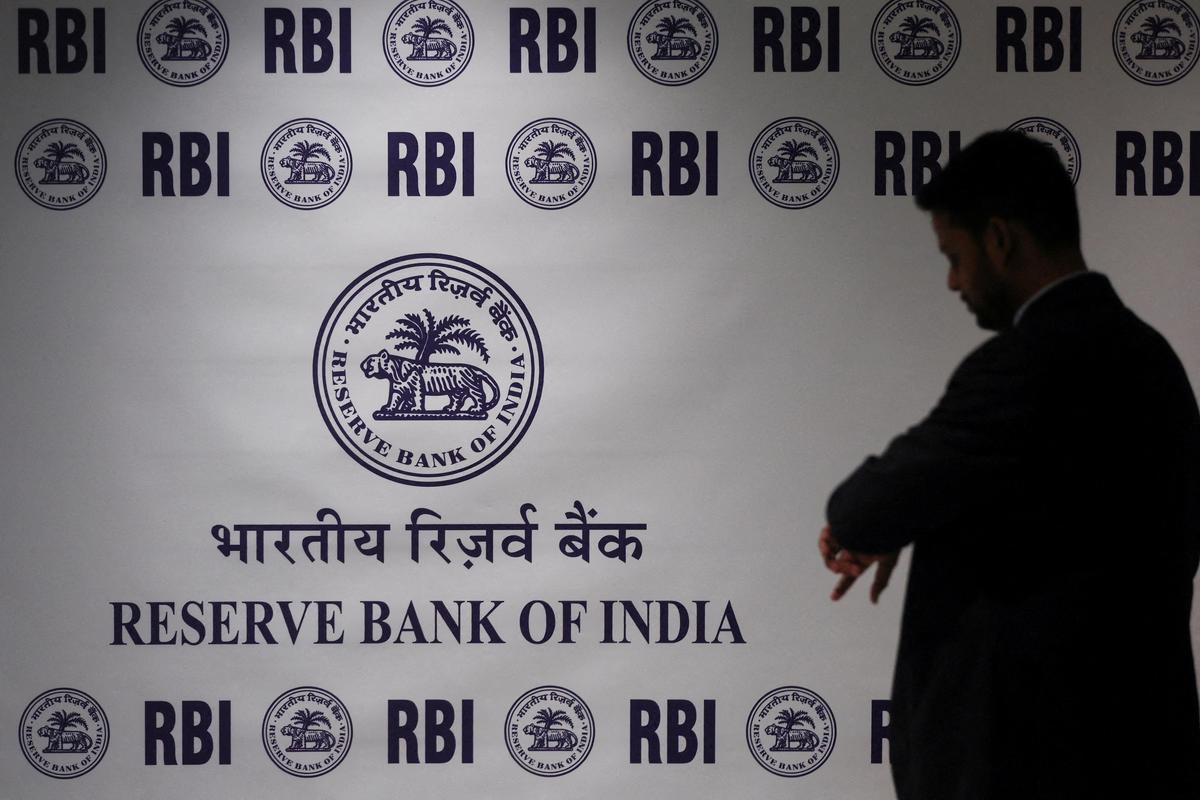
The Reserve Bank of India auctioned 240.00 billion rupees in Treasury bills across three tenors. Yields for 182-day (5.5678%) and 364-day (5.7373%) paper rose from previous auctions, while 91-day yields softened to 5.2603%, reflecting shifting institutional liquidity demands across India's sovereign money markets.
MUMBAI, India — The Reserve Bank of India (RBI) conducted its scheduled sovereign debt auction on Wednesday, successfully selling a combined total of 240.00 billion rupees ($2.88 billion) across three benchmark Treasury bill tenors. The weekly auction, managed on behalf of the Government of India from the central bank's headquarters in Mumbai, saw higher cut-off yields established on the 182-day and 364-day instruments compared with previous tenders, while the 91-day sovereign paper recorded a marginal softening in cut-off yields amid shifting domestic money market liquidity.
Complete Allotment Breakdown Across All Three Tenors
According to official central bank auction data, the Reserve Bank of India allotted the full notified amount across all three maturities:
91-Day Treasury Bills: The central bank sold 90.00 billion rupees of 91-day sovereign paper at a cut-off price of 98.7055 rupees per 100-rupee face value. The cut-off yield eased slightly to 5.2603%, compared with 5.2624% recorded at the prior auction.
182-Day Treasury Bills: The RBI auctioned 80.00 billion rupees of 182-day paper at a cut-off price of 97.2987 rupees. The cut-off yield rose to 5.5678%, up from 5.5390% in the preceding sale.
364-Day Treasury Bills: The central bank raised 70.00 billion rupees through one-year paper at a cut-off price of 94.5881 rupees, with the cut-off yield rising to 5.7373% from 5.7094% previously.
| Tenor | Allotted Amount | Cut-Off Price (INR) | Current Cut-Off Yield (%) | Previous Cut-Off Yield (%) |
| 91-Day | 90.00 Billion Rupees | 98.7055 | 5.2603% | 5.2624% |
| 182-Day | 80.00 Billion Rupees | 97.2987 | 5.5678% | 5.5390% |
| 364-Day | 70.00 Billion Rupees | 94.5881 | 5.7373% | 5.7094% |
Yield Curve Dynamics and Money Market Liquidity
The auction outcome highlights clear differentiation along the front end of the sovereign yield curve. While strong domestic liquidity and demand from mutual funds and corporate treasuries anchored the 91-day paper at 5.2603%, bidding for longer tenors required higher yield concessions from the issuer.
Primary dealers and banking treasuries demanded wider term premiums on six-month and one-year paper, reflecting anticipated adjustments in domestic cash balances, upcoming tax outflows, and government borrowing schedules. The spread between 91-day and 364-day paper widened to approximately 47.7 basis points, signaling market expectations of steady short-term interest rate alignment over the fiscal horizon.
Financial System and Investor Implications
Treasury bills serve as the primary short-term borrowing mechanism for the central government and provide zero-risk collateral for interbank lending, repo transactions, and statutory liquidity requirements:
Commercial Banks: Banks rely on weekly T-bill issuances to manage their Statutory Liquidity Ratio (SLR) mandates and park excess liquidity while maintaining regulatory liquidity coverage ratios (LCR).
Debt Mutual Funds and Liquid Schemes: Short-term money market mutual funds, ultra-short duration schemes, and liquid funds heavily weight their portfolios toward 91-day and 182-day sovereign paper. The slight uptick in six-month and one-year yields could improve portfolio yields over coming assessment periods.
Corporate Commercial Paper (CP) Pricing: Corporate treasuries issuing short-term commercial paper benchmark their coupon spreads directly against sovereign Treasury bill yields of equivalent tenor. The higher cut-offs on 182-day and 364-day paper may marginally lift short-term corporate borrowing costs across non-banking financial companies (NBFCs) and industrial borrowers.
Official Sources
Auction allotments, pricing tables, and cut-off yields were released by the public debt office of the Reserve Bank of India (RBI) and verified against sovereign debt settlement filings administered via the Ministry of Finance.
Quote Section
"According to officials familiar with central bank debt management desks, the sovereign debt tender met healthy bid-to-cover ratios across all three tranches, with yield outcomes reflecting current money market liquidity and institutional cash-flow positioning."
Why It Matters
Weekly sovereign Treasury bill auctions offer real-time transparency into institutional liquidity, central bank rate transmission, and short-term capital pricing across India's financial system. The yield divergence between three-month and one-year debt demonstrates how primary lenders and institutional investors are calibrating risk premiums against medium-term liquidity conditions.
Key Facts at a Glance
Total Capital Raised: 240.00 billion rupees ($2.88B) across three tranches.
91-Day Tranche: 90.00 billion rupees sold at 98.7055 rupees (5.2603% yield).
182-Day Tranche: 80.00 billion rupees sold at 97.2987 rupees (5.5678% yield).
364-Day Tranche: 70.00 billion rupees sold at 94.5881 rupees (5.7373% yield).
Issuing Authority: Reserve Bank of India on behalf of the Central Government.
Frequently Asked Questions (FAQ)
What is the total value of Treasury bills auctioned by the RBI?
The Reserve Bank of India auctioned a total of 240.00 billion rupees, comprising 90 billion rupees in 91-day bills, 80 billion rupees in 182-day bills, and 70 billion rupees in 364-day bills.
Why did yields rise on 182-day and 364-day Treasury bills?
Cut-off yields rose due to institutional bidding demands for higher term premiums on longer-dated maturities, reflecting liquidity management and prevailing money market conditions.
How do Treasury bills differ from regular government bonds?
Treasury bills are short-term, zero-coupon sovereign securities with maturities under one year, issued at a discount to face value, whereas government bonds are long-term instruments that pay periodic coupon interest.
How do these yields impact money market mutual funds?
Higher yields on six-month and one-year papers enhance the underlying asset yields for money market and short-duration mutual funds investing in sovereign paper.
Source: Reserve Bank of India (RBI), Ministry of Finance, Reuters Sovereign Debt Desk.