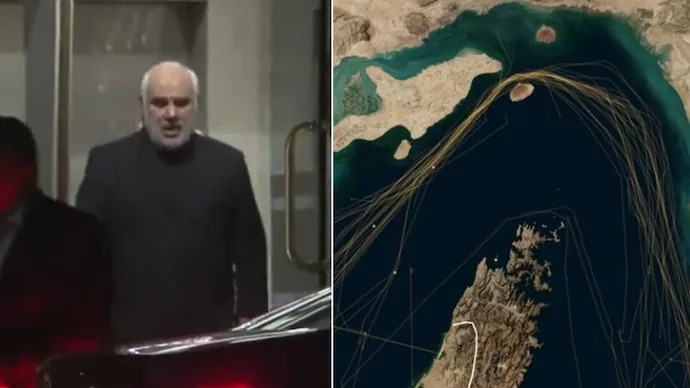
India has summoned the Iranian deputy ambassador following a deadly missile strike on two Emirati tankers in the Strait of Hormuz that killed one Indian seafarer and injured six others. The incident marks a severe escalation in the West Asia maritime conflict, threatening global energy security and Indian merchant mariners.
The diplomatic move follows the death of an Indian crew member during a missile strike on two Emirati tankers in the Strait of Hormuz.
NEW DELHI — India has summoned the Iranian deputy ambassador in New Delhi to register a formal protest following the death of an Indian seafarer during an Iranian missile strike on two Emirati oil tankers in the Strait of Hormuz. The incident, which occurred on Tuesday, July 14, 2026, marks a significant escalation in the ongoing maritime conflict in West Asia, placing Indian citizens and commercial shipping at heightened risk.
Fatal Strike in Strategic Waters
According to the United Arab Emirates Ministry of Defence, the tankers Mombasa and Al Bahiyah were transiting the southern shipping lane of the Strait of Hormuz, within Omani territorial waters, when they were targeted by two Iranian cruise missiles. The strike resulted in the immediate death of one Indian crew member aboard the Mombasa.
In addition to the fatality, eight other crew members—including six Indian nationals and two Ukrainian nationals—sustained injuries. Four of the injured are reported to be in serious condition. While fires broke out on both vessels as a result of the missile impacts, authorities confirmed that the blaze had been brought under control.
Diplomatic Escalation and Regional Tension
The summoning of the Iranian envoy signals India's growing concern over the safety of its merchant mariners and the stability of one of the world's most critical oil supply routes. This incident is the latest in a series of confrontations in the waterway, which has seen increased military activity since the outbreak of hostilities between the United States and Iran in February 2026.
Diplomatic observers note that India has attempted to maintain a neutral stance throughout the conflict, repeatedly calling for de-escalation and the protection of international shipping. However, with Indian nationals repeatedly caught in the crossfire, the Ministry of External Affairs has faced mounting domestic pressure to take a more assertive stance regarding the safety of its citizens in the Gulf.
Impact on Global Shipping and Energy
The Strait of Hormuz remains a central chokepoint for global energy markets, with a substantial portion of the world's oil and liquefied petroleum gas (LPG) traffic passing through the corridor. Industry data from shipping intelligence platforms indicates that maritime traffic through the strait has seen significant volatility, with the southern routes experiencing drastic drops in activity as commercial operators seek to avoid the conflict zone.
The death of the Indian seafarer has prompted international condemnation, with the UAE Ministry of Defence labeling the attack a "blatant" violation of international law. The UAE has further stated that it reserves the right to respond to the escalation to protect its sovereignty and maritime security.
Official Sources and Statements
UAE Ministry of Defence: Confirmed the strike on the Mombasa and Al Bahiyah and the resulting casualties, emphasizing that the vessels were targeted in Omani territorial waters.
Ministry of External Affairs (India): Has engaged with Iranian diplomatic representatives to convey "deep concern" regarding the safety of Indian mariners, a move consistent with previous diplomatic actions following similar incidents in the Strait of Hormuz.
United Kingdom Maritime Trade Operations (UKMTO): Reported a separate incident involving a tanker being hit by an unknown projectile off the coast of Oman, further highlighting the precarious security situation in the region.
Why It Matters
The security of the Strait of Hormuz is essential to India’s energy security, as the nation relies heavily on the waterway for LPG and crude oil imports. Continued instability threatens to disrupt supply chains, increase insurance premiums for shipping lines, and jeopardize the lives of thousands of Indian mariners who serve on global commercial fleets.
Key Facts at a Glance
Incident Date: July 14, 2026.
Casualties: One Indian seafarer confirmed dead; six Indians and two Ukrainians injured.
Location: Southern shipping lane of the Strait of Hormuz, within Omani territorial waters.
Diplomatic Response: India has summoned the Iranian deputy ambassador to demand accountability and ensure the safety of Indian merchant shipping.
Frequently Asked Questions (FAQ)
Why was the Iranian envoy summoned?
India summoned the envoy to express deep concern regarding the safety of Indian sailors and to demand protection for commercial vessels following the fatal missile strike on the Mombasa.
How does this affect India’s energy supply?
The ongoing conflict in the Strait of Hormuz poses a direct threat to India's energy imports, specifically LPG, potentially leading to supply shortages and economic instability if the route remains insecure.
Is there a precedent for these summons?
Yes, India previously summoned the Iranian envoy in April 2026 after Indian-flagged vessels were fired upon in the same region, highlighting a recurring pattern of maritime risk.
Source: Ministry of External Affairs (India), UAE Ministry of Defence, Reuters, UK Maritime Trade Operations (UKMTO)