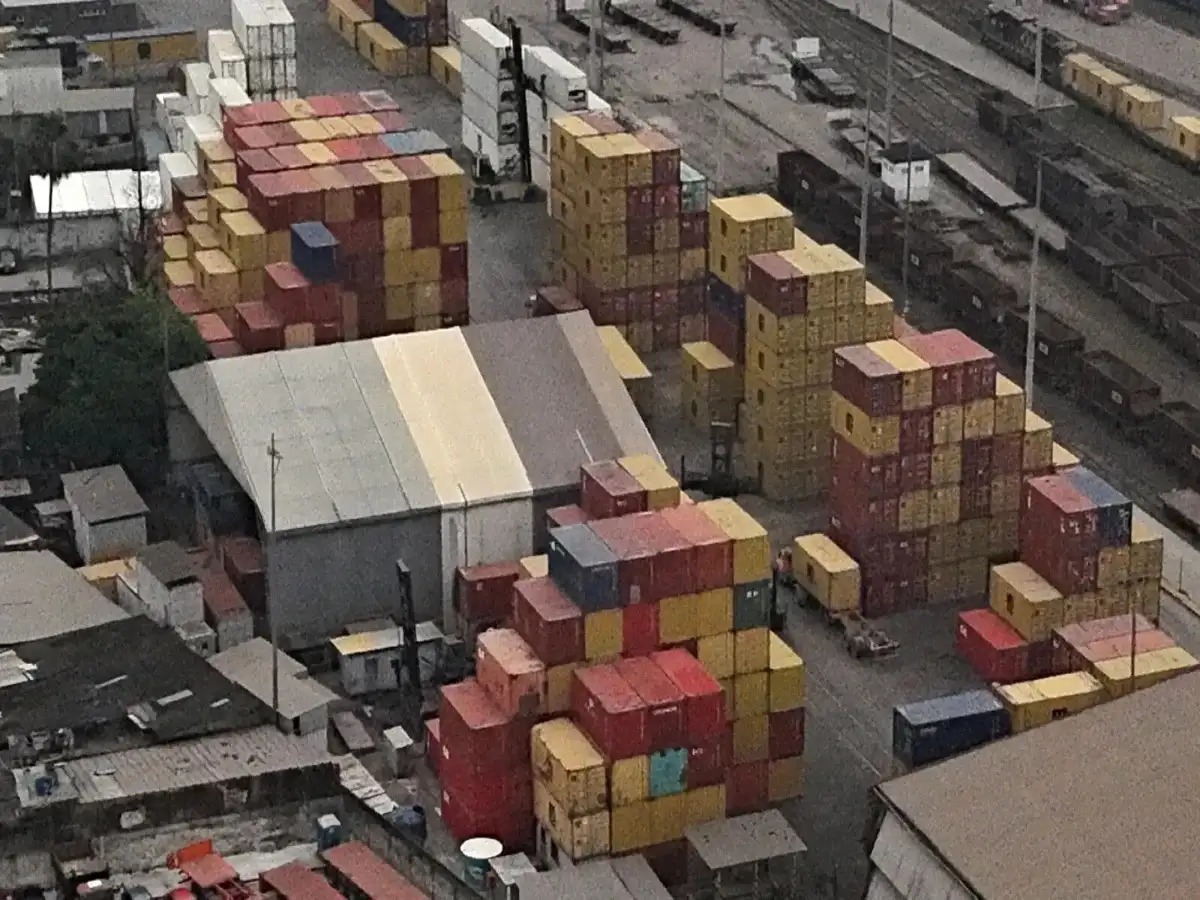
India has identified $51 billion in critical imports to be transitioned to domestic manufacturing. This strategic push aims to reduce reliance on foreign suppliers, mitigate supply-chain risks, and strengthen India’s industrial base through the identification of over 100 essential products for local production and export-led growth.
The government has launched a strategic initiative to ramp up domestic production for $51 billion in critical imports, aiming to strengthen supply chain resilience and reduce reliance on overseas suppliers.
The Government of India has identified $51 billion worth of critical imports that are to be transitioned toward domestic manufacturing. This significant economic pivot, announced mid-July 2026, is designed to shield the nation from global supply-chain shocks, mitigate trade deficit concerns, and bolster the country’s industrial self-reliance.
The initiative involves a granular assessment of more than 100 products across various industrial sectors. By incentivizing local production, New Delhi intends to decrease its vulnerability to geopolitical tensions and reduce the current heavy reliance on foreign markets, particularly China.
Strengthening Industrial Resilience
As part of the government’s broader economic strategy, the Ministry of Commerce and Industry is spearheading efforts to encourage states and industry players to shift from imported components to locally manufactured alternatives. This push focuses on high-impact sectors, including electronics, fertilizers, semiconductors, and specialized manufacturing inputs.
The strategy aligns with the "Make in India" initiative and the Union Budget 2026-27’s emphasis on scaling up labour-intensive and strategic sectors. With India aiming for a $1 trillion export target, officials argue that domestic manufacturing must be prioritized to enhance cost competitiveness and ensure the economy is not sidelined by global supply disruptions.
Addressing Critical Dependencies
India’s dependency on imported industrial inputs has long been a focal point of fiscal policy. According to the government, the identified $51 billion in imports represents a strategic opportunity to foster an ecosystem where high-quality components are produced domestically.
Strategic Focus: The government is focusing on over 100 products deemed vital for economic security.
Supply Chain Security: The move aims to mitigate risks associated with over-dependence on single-country suppliers.
Incentive Alignment: Existing schemes, such as the semiconductor mission and sector-specific production-linked incentives, will be utilized to facilitate this transition.
Official Perspectives
According to officials, this policy shift is not merely about import substitution but about creating a robust, export-oriented manufacturing base. Commerce and Industry Minister Piyush Goyal recently urged state governments and export promotion councils to prioritize the identification of imported goods that can be replaced by high-quality domestic alternatives.
Government releases emphasize that while India continues to leverage Free Trade Agreements (FTAs) to expand its global footprint, a strong domestic manufacturing core is essential to sustaining long-term growth and shielding the economy from external shocks.
Why It Matters
For businesses and investors, the localization of $51 billion in critical imports presents a substantial opportunity for domestic value addition. This shift is expected to improve the balance of trade, stabilize the rupee against volatile global pressures, and provide a fillip to the MSME sector, which forms the backbone of India’s manufacturing landscape. For consumers, the long-term goal is a more stable price environment and increased availability of locally produced, cost-effective goods.
Key Facts at a Glance
Targeted Value: $51 billion in critical imports transitioned to domestic manufacturing.
Product Scope: Over 100 products identified for priority domestic production.
Goal: Enhance supply-chain resilience and reduce trade deficit risks.
Core Sectors: Focus areas include electronics, fertilizers, and semiconductors.
Frequently Asked Questions
What is the main goal of targeting $51 billion in imports?
The goal is to boost domestic manufacturing, reduce reliance on foreign suppliers (especially in the face of geopolitical risks), and strengthen the national supply chain.
Which sectors are prioritized for this initiative?
Priority sectors include semiconductors, electronics components, fertilizers, and other critical industrial inputs where India currently has high import reliance.
How will this affect domestic businesses?
Domestic businesses are expected to benefit from increased demand for locally manufactured components, supported by government incentives and a focus on cost competitiveness.
Source: Ministry of Commerce and Industry, Press Information Bureau, Business Standard