




Loading market data...
ADVERTISEMENT

Latest Top News
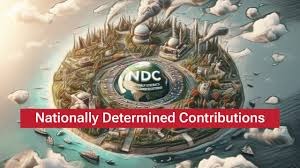
India Targets Higher Renewable Share And Emissions Cut By 2035
India’s Cabinet has approved updated Nationally Determined Contributions (NDCs) extending to 2035, focusing on increasing the share of non-fossil fuel sources in total power capacity and reducing emissions intensity compared to 2025 levels. The move signals stronger climate ambition under the Paris Agreement framework.
Stay Ahead – Explore Now! India 10-Year Sovereign Bond Yield Slumps to Lowest Since April 21
ADVERTISEMENT

Latest Updates

Spain vs Cabo Verde Match Result Ends in Historic...
16 Jun 2026, 06:01 AM
Kikkoman Plans First India Soy Sauce Manufacturing...
16 Jun 2026, 05:58 AM
The Street Food Superhero: Puchkaman Scales 150% a...
16 Jun 2026, 12:11 AM
The Silence Value: Luxury Travellers Shift to Soft...
16 Jun 2026, 12:08 AM
The Great Tech Wake-Up Call: India Must Invest to...
16 Jun 2026, 12:01 AMADVERTISEMENT

Top Stories
Spain vs Cabo Verde Match Result Ends in Historic...
16 Jun 2026, 06:01 AM
Kikkoman Plans First India Soy Sauce Manufacturing...
16 Jun 2026, 05:58 AM
The Street Food Superhero: Puchkaman Scales 150% a...
16 Jun 2026, 12:11 AM