




Loading market data...
ADVERTISEMENT

Latest Top News
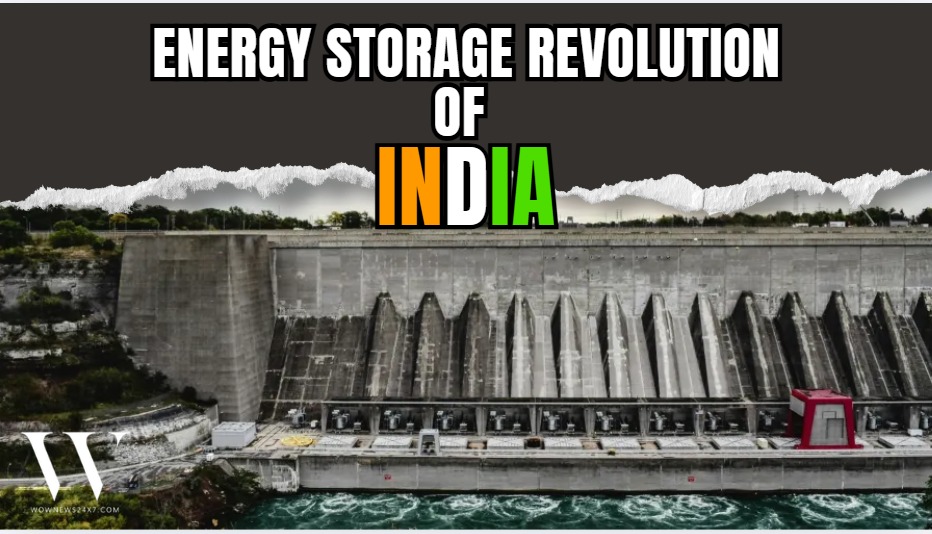
India’s Clean Energy Backbone Strengthens As Pumped Storage Projected To Jump To 94 GW By 2035-36
India is set for a massive leap in energy storage, with pumped storage capacity projected to rise 13-fold to 94 GW by 2035-36. Battery storage capacity is also expected to soar to 80 GW from just 0.27 GW currently, according to a new policy document.
Stay Ahead – Explore Now! India Trade Recovers as New Oman Route Bypasses Gulf Friction
ADVERTISEMENT

Latest Updates
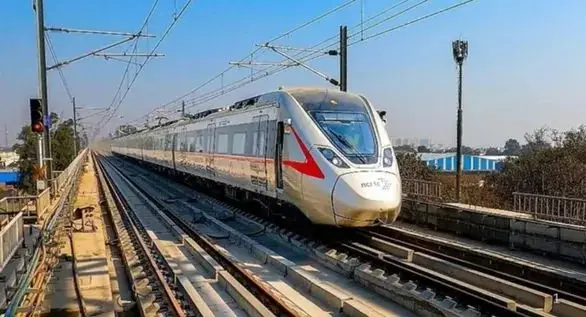
Track to Uttarakhand: Namo Bharat Expansion Nears...
15 Jun 2026, 10:18 PM
From Silt to Sustainability: BMC Starts Rejuvenati...
15 Jun 2026, 02:01 PM
Jharkhand Secures GI Tags for Bhagaiya Silk and Tr...
15 Jun 2026, 02:24 PM
Reel Deal: Mumbai International Film Festival 2026...
15 Jun 2026, 10:07 PM
Nepal Tea Trade: Factories Shut Down Over India’s...
15 Jun 2026, 10:03 PMADVERTISEMENT

Top Stories
Track to Uttarakhand: Namo Bharat Expansion Nears...
15 Jun 2026, 10:18 PM
From Silt to Sustainability: BMC Starts Rejuvenati...
15 Jun 2026, 02:01 PM
Jharkhand Secures GI Tags for Bhagaiya Silk and Tr...
15 Jun 2026, 02:24 PM