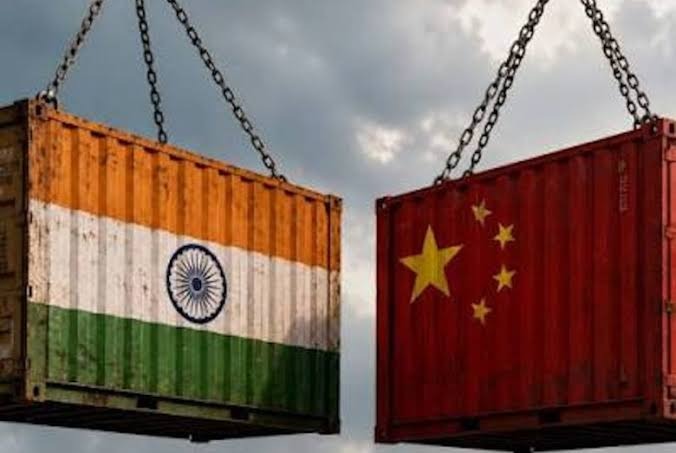
India is proactively addressing a record $112 billion trade deficit with China through targeted manufacturing initiatives, stringent quality controls, and strategic supply chain recalibrations aimed at bolstering long-term domestic economic resilience and self-reliance.
New Delhi implements robust industrial recalibrations to secure domestic manufacturing independence and mitigate rising trade deficits.
NEW DELHI — Amid surging bilateral trade imbalances touching record highs, New Delhi has intensified strategic measures to curtail reliance on Chinese supply chains and bolster domestic production capabilities. According to official government data released for the 2025–26 fiscal term, India's trade deficit with China widened significantly, crossing $112 billion. In response, key economic ministries have deployed targeted policy adjustments designed to accelerate local industrial self-reliance, safeguard critical manufacturing ecosystems, and restructure external trade dependencies. This aggressive policy pivot addresses mounting concerns over long-term industrial vulnerability as India strives to cement its status as a premier global manufacturing hub.
Strategic Overhauls in Trade and Investment
The central government has systematically tightened regulatory frameworks governing foreign direct investment, technology transfers, and critical raw material imports. Ministries are prioritizing domestic value addition across electronics, telecommunications, and green energy sectors. By imposing rigorous scrutiny on non-essential imports and strengthening quality control standards via the Bureau of Indian Standards, authorities aim to substitute high-volume foreign components with locally engineered alternatives. These measures run parallel to broader state-backed incentive programs designed to attract alternative international capital while simultaneously building robust domestic substitution pipelines.
Economic and Industrial Impact
The strategic maneuvering directly affects domestic manufacturers, technology enterprises, and retail consumers across the subcontinent. While industrial associations laud the long-term objective of achieving structural autonomy, localized manufacturing sectors currently dependent on intermediate goods face near-term cost pressures. Supply chain bottlenecks have occasionally surfaced as firms scramble to diversify sourcing origins for semiconductor components, active pharmaceutical ingredients, and advanced machinery. Analysts note that while these friction points challenge short-term output targets, they remain a necessary trade-off for durable macroeconomic resilience.
Official Sources and Institutional Context
According to official announcements from the Ministry of Commerce and Industry and parliamentary disclosures, administrative bodies are closely monitoring import concentrations to protect domestic industrial segments. Furthermore, evaluations compiled within recent World Trade Organization policy assessments emphasize that sustaining high medium-term growth demands rigorous structural enhancements in domestic logistical efficiency and deeper integration into diversified global value chains.
"Organizers stated that strategic economic resilience requires targeted interventions to protect domestic manufacturing from external market distortions and asymmetrical trade dependencies."
Why It Matters
The practical implications of these regulatory adjustments extend to investors, corporate planners, and international trade partners navigating South Asian markets. Companies operating within India must adapt to stricter compliance mandates, localized content requirements, and proactive anti-dumping protections. For international investors, understanding these regulatory nuances is vital for mitigating exposure to shifting trade policies and capitalizing on India's expanding domestic consumption landscape.
Key Facts at a Glance
India's trade deficit with China surpassed $112 billion during the 2025–26 fiscal period.
Regulatory authorities have ramped up quality certification checks across more than 1,000 sensitive product categories.
Strategic priority is being directed toward scaling domestic production of electronics, green tech components, and active pharmaceutical ingredients.
Policy frameworks increasingly favor grant-based manufacturing support over traditional tax incentives to drive tangible factory-floor output.
Frequently Asked Questions
Why is India adjusting its economic approach toward China?
New Delhi aims to address a widening trade deficit and reduce industrial vulnerabilities stemming from heavy reliance on imported intermediate goods.
How do these policy changes affect local manufacturers?
While local producers face temporary cost adjustments while sourcing alternative inputs, the framework provides enhanced long-term protection against foreign market dumping.
What sectors are primarily targeted by these trade measures?
Electronics manufacturing, renewable energy infrastructure, automotive components, and specialty chemicals remain primary focal points for localized substitution.
Where can stakeholders monitor official updates regarding trade policies?
Official notifications and regulatory updates are published regularly through the Ministry of Commerce and Industry portal.
Source: Ministry of Commerce and Industry, World Trade Organization Trade Policy Review, Government Economic Survey