




Loading market data...
ADVERTISEMENT

Latest Top News
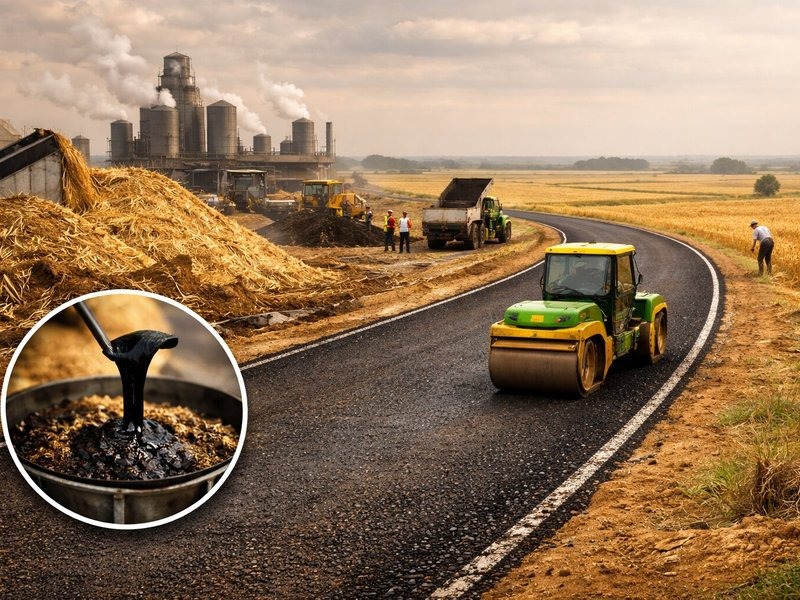
India Turns Crop Waste Into Roads With Breakthrough Bio-Bitumen Technology
India has unveiled an indigenous bio-bitumen technology that converts crop waste into road construction material. Developed by CSIR scientists, this innovation could save the country up to 40,000 crore rupees annually in imports, while tackling stubble burning and boosting rural incomes through sustainable infrastructure development.
Stay Ahead – Explore Now! U.P. Initiates Drone Surveys for Zero River Discharge Goal
ADVERTISEMENT

Latest Updates

Siri AI in iOS 27 Introduces Onscreen Awareness an...
16 Jun 2026, 06:20 AM
FOMO TO FMA - Global Uncertainty Meets Indian Opti...
16 Jun 2026, 06:53 AM
Starlink New Satellite Tech Hits India National Se...
16 Jun 2026, 06:14 AM
SpaceX Rally Extends After Record-Breaking Wall St...
16 Jun 2026, 06:08 AM
Spain vs Cabo Verde Match Result Ends in Historic...
16 Jun 2026, 06:01 AMADVERTISEMENT

Top Stories
Siri AI in iOS 27 Introduces Onscreen Awareness an...
16 Jun 2026, 06:20 AM
FOMO TO FMA - Global Uncertainty Meets Indian Opti...
16 Jun 2026, 06:53 AM
Starlink New Satellite Tech Hits India National Se...
16 Jun 2026, 06:14 AM