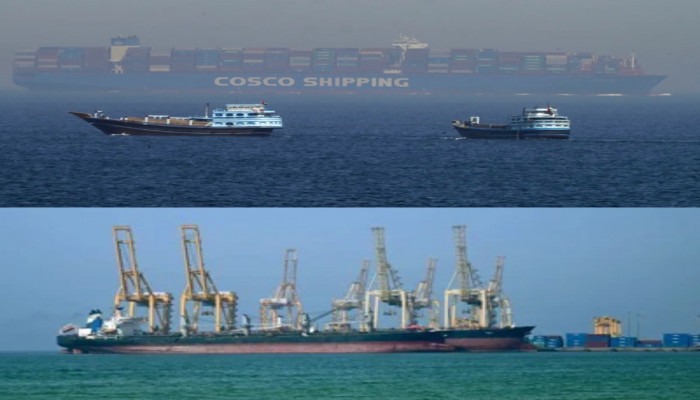
The Indian government has made it clear that its first priority is securing the release of Indian vessels currently stranded in the Strait of Hormuz. Officials say tankers will only be sent again for loading once the situation is conducive, and that they are in active talks with the foreign ministry on how and when to resume movements safely.
What is playing out in the Strait of Hormuz is not just a shipping problem, but a mix of security, diplomacy and energy logistics. For India, which relies heavily on seaborne crude and product flows through this chokepoint, the combination of stranded vessels and elevated risk calls for careful, step by step decisions rather than business as usual.
Immediate Focus On Crew Safety And Release
By publicly stating that the immediate priority is to secure the release of stranded Indian vessels, New Delhi is putting crew safety and ship security at the top of the agenda. That means using diplomatic channels, coordination with regional authorities and possibly quiet back channel conversations to ensure that Indian flagged or Indian linked ships can exit the danger zone without escalation.
Calibrated Plan For Sending New Tankers
Officials have also said India will only send fresh tankers to the Strait of Hormuz for loading when conditions allow. In practice, that means monitoring the risk of attacks, detentions or blockages, assessing insurance and freight costs, and working with the foreign ministry and possibly partner navies before green lighting new voyages. The message to markets is that caution, not bravado, will guide decisions.
What This Means For Energy Security And Trade
In the short term, the disruption may force India’s refiners and traders to lean more on alternative routes or suppliers, draw on inventories, and stagger loading plans. Over the longer term, episodes like this strengthen the case for diversification of crude sources, more flexible logistics and continued naval presence in critical sea lanes, so that energy security is not held hostage to any one chokepoint.
Strait Of Hormuz Priority Highlights
- Government’s top focus is release and safety of Indian vessels already stranded
- Fresh tankers will only be sent for loading when the situation is considered safe
- Foreign ministry and other arms of government are coordinating the response
- Short term impact likely on voyage planning, insurance and sourcing choices
- Episode reinforces the need to diversify routes and protect India’s energy lifelines
Sources: Public statements attributed to Indian government officials on the status of Indian vessels in the Strait of Hormuz, current diplomatic coordination, and the conditional plan to resume tanker loadings only when conditions are conducive