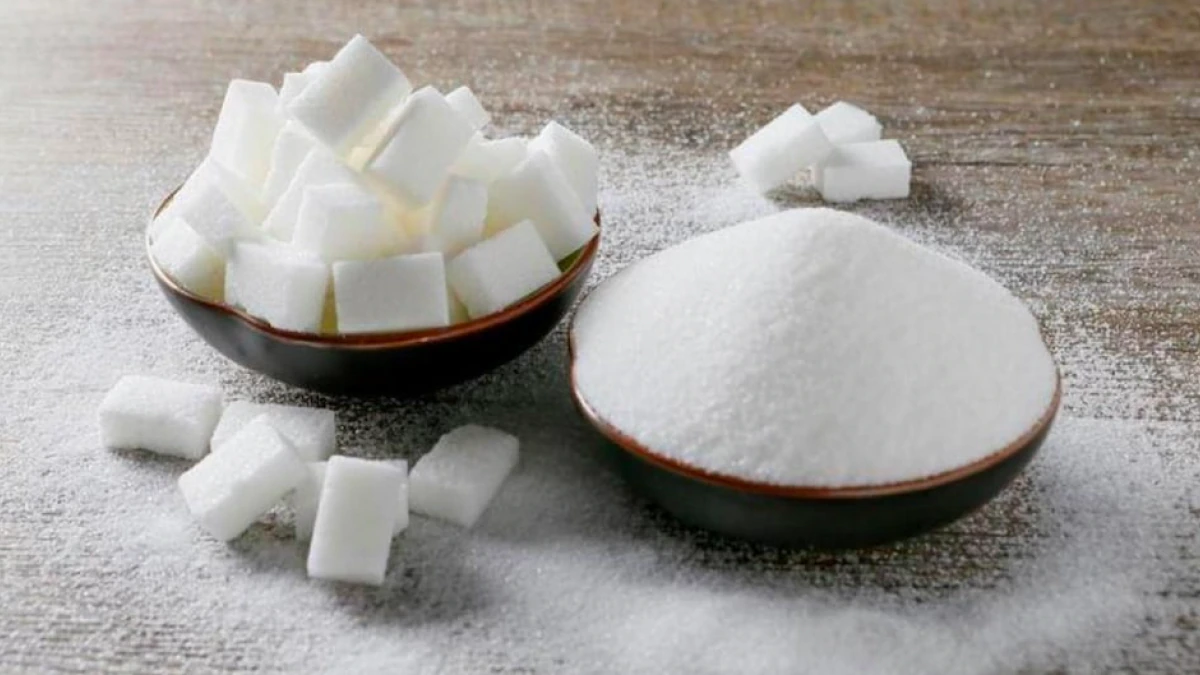
India is considering cutting its 50% sugar import duty to curb record-high domestic prices, according to Bloomberg News. As the world’s second-largest producer faces localized supply constraints and ethanol diversion pressures, easing import tariffs aims to boost domestic availability, protect consumer budgets, and stabilize retail food inflation across the country.
NEW DELHI — The Government of India is actively reviewing a proposal to reduce its sugar import duty to stabilize skyrocketing domestic prices, according to people familiar with the matter, Bloomberg News reported. The policy consideration comes as India, the world’s second-largest sugar producer, faces tightening domestic inventories and elevated wholesale prices ahead of peak seasonal consumption.
Policy Interventions to Tame Domestic Sweetener Inflation
The inter-ministerial deliberations involve the Ministry of Finance, the Ministry of Consumer Affairs, Food and Public Distribution, and agricultural trade authorities. India currently levies a 50% customs duty on raw and white sugar imports to protect domestic sugarcane growers and domestic sugar mills.
The proposed reduction aims to augment domestic availability by allowing private refiners and institutional buyers to import raw sugar without bearing prohibitive import tariffs. Rising retail and ex-mill prices have raised concerns within policy circles regarding overall food inflation, particularly with festive demand approaching.
Supply Constraints and Ethanol Diversion Dynamics
The upward pressure on domestic sugar rates stems from reduced acreage yields in key sugarcane-producing states, notably Maharashtra and Karnataka, driven by uneven monsoon precipitation during the agricultural cycle.
Furthermore, government mandates directing sugarcane juice, B-heavy molasses, and syrup toward ethanol production for the National Biofuel Policy have constrained net sweetener output for consumer markets. While ethanol blending targets remain a strategic priority, policymakers are calibrating the trade-off between energy transition goals and domestic food security.
Impact on Consumers, FMCG Firms, and Global Markets
A reduction in the sugar import duty would directly affect multiple sectors across the supply chain:
Retail Consumers and Households: A lower tariff structure is designed to ease kitchen budgets by capping the price of retail refined sugar, which has traded near all-time highs across major wholesale centers.
Packaged Food and Beverage Manufacturers: Bulk consumers, including confectionery, beverage, and bakery enterprises, would benefit from lower input costs and enhanced raw material availability.
Domestic Sugar Mills: Local millers may experience margin compression if imported raw sugar flows into coastal refineries, though targeted quota-based duty cuts could balance local procurement.
International Commodities Desks: Any formal move by India to open its ports to overseas sugar would stimulate benchmark raw sugar futures traded on the Intercontinental Exchange (ICE), as the world’s leading consumer enters the global import market.
Official Sources
According to government officials and regulatory trade discussions referenced in the Bloomberg News report, inter-ministerial committees are analyzing inventory levels, mill stock declarations, and port logistics before presenting a formal cabinet recommendation.
The Department of Food and Public Distribution continues to track weekly domestic stock holdings to assess the exact volume of imports required to stabilize prices without depressing farm-gate returns.
Official Perspectives
"According to officials familiar with internal deliberations, the government is closely assessing stock positions and pricing trends across major mandis to ensure consumer inflation remains contained while safeguarding fair remunerative prices for cane farmers."
Why It Matters
India's potential entry into global import channels represents a major shift in world agricultural trade. As both a top consumer and a key producer, shifts in Indian import tariffs influence global balance sheets, retail food indices, and trade flows across major exporters like Brazil and Thailand. Domestically, controlling basic food commodities remains critical for macroeconomic stability and household purchasing power.
Key Facts at a Glance
Tariff Structure: India currently imposes a 50% basic customs duty on sugar imports.
Core Trigger: Domestic ex-mill and retail sugar prices recently surged to record highs.
Global Standing: India ranks as the world's second-largest sugar producer and the largest consumer.
Market Policy: The government is balancing food inflation controls against ethanol blending allocations.
Frequently Asked Questions
Why is India considering cutting the sugar import duty?
The government is evaluating duty reductions to lower the cost of importing foreign sugar, thereby augmenting domestic supply and cooling record-high local prices.
What is the current customs duty on sugar in India?
India imposes a 50% customs duty on overseas shipments of raw and refined sugar to shield domestic millers and farmers from foreign competition.
How will this move impact retail consumers?
Lower import barriers increase market supply, which helps arrest further price hikes and stabilizes retail prices for everyday household consumption and packaged foods.
Source: Bloomberg News, Ministry of Consumer Affairs, Food and Public Distribution, Ministry of Finance