




Loading market data...
ADVERTISEMENT

Latest Top News
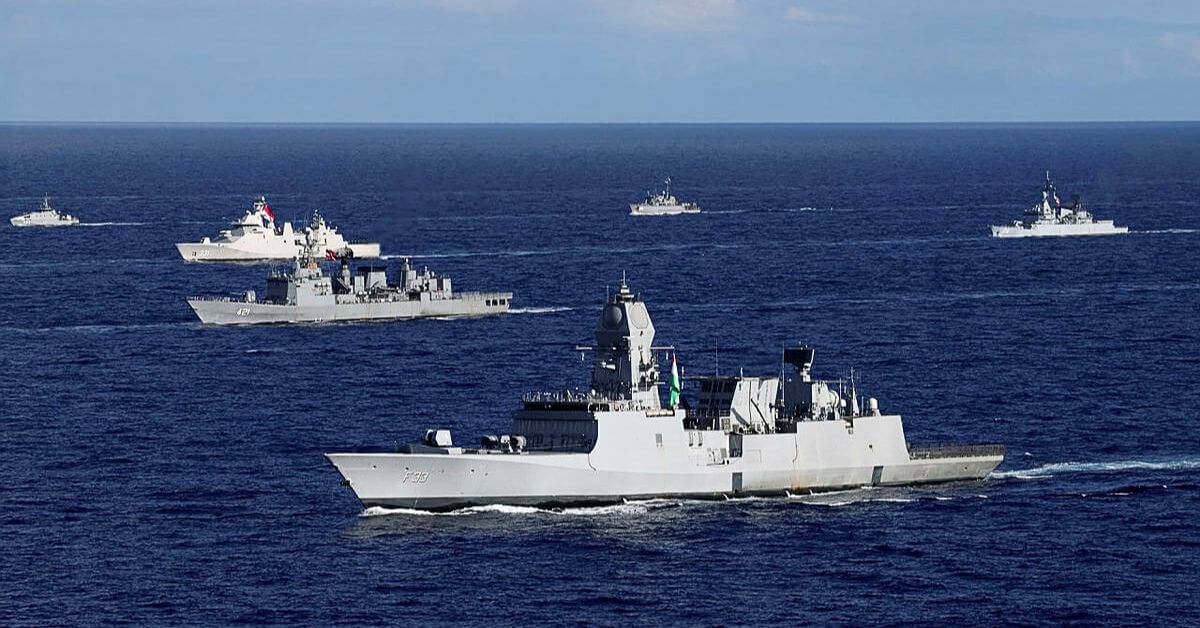
Indian Navy Provides Guidance To Merchant Ships In Strait Of Hormuz
The Indian Navy has quietly intensified its operations in the Strait of Hormuz, guiding merchant vessels through one of the world’s most volatile shipping lanes. Amid rising threats from mines and missile attacks, India’s naval presence is ensuring safe passage for critical energy shipments.
Stay Ahead – Explore Now! Zee Strengthens Technology, Security & Scale for FIFA World Cup 2026
ADVERTISEMENT

Latest Updates

Kerala Launches Priyadarshini Free Bus Travel Sche...
16 Jun 2026, 08:12 AM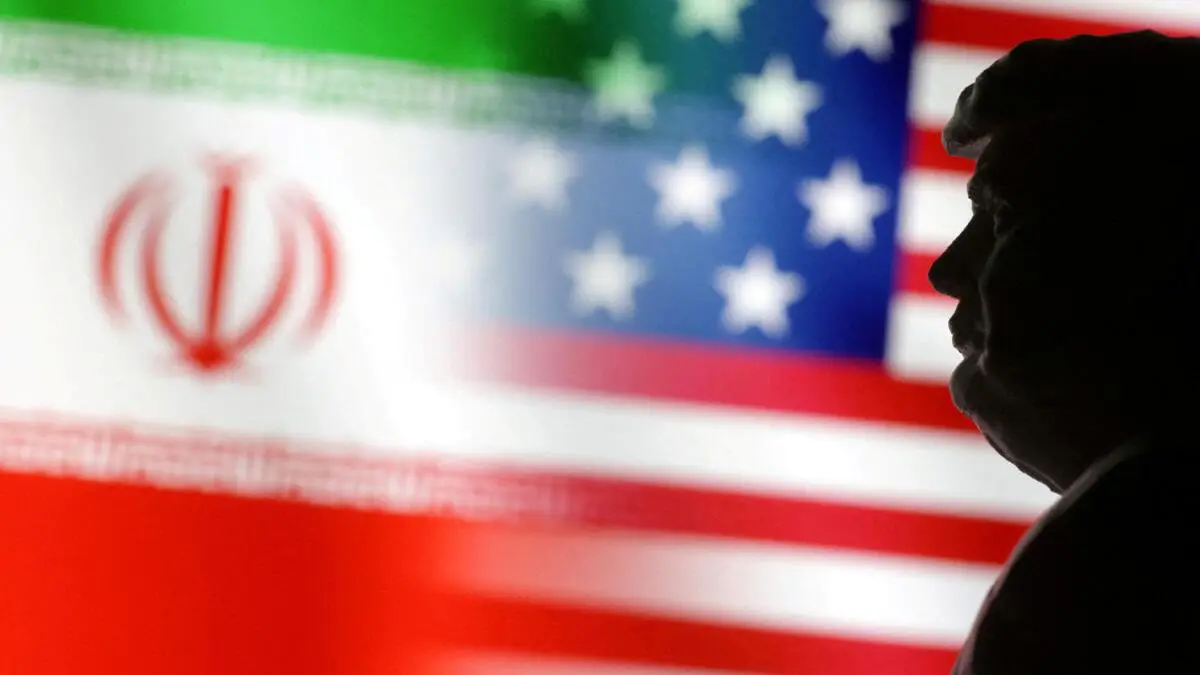
Trump Affirms Iran Agreed to Nuclear Clause, Denie...
16 Jun 2026, 08:03 AM
Global Markets Surge Higher in Pivotal Pre-Market...
16 Jun 2026, 07:57 AM
Tokenomics 2.0 Frameworks Deployed to Battle Risin...
16 Jun 2026, 07:48 AM
Siri AI in iOS 27 Introduces Onscreen Awareness an...
16 Jun 2026, 06:20 AMADVERTISEMENT

Top Stories
Kerala Launches Priyadarshini Free Bus Travel Sche...
16 Jun 2026, 08:12 AM
Trump Affirms Iran Agreed to Nuclear Clause, Denie...
16 Jun 2026, 08:03 AM
Global Markets Surge Higher in Pivotal Pre-Market...
16 Jun 2026, 07:57 AM