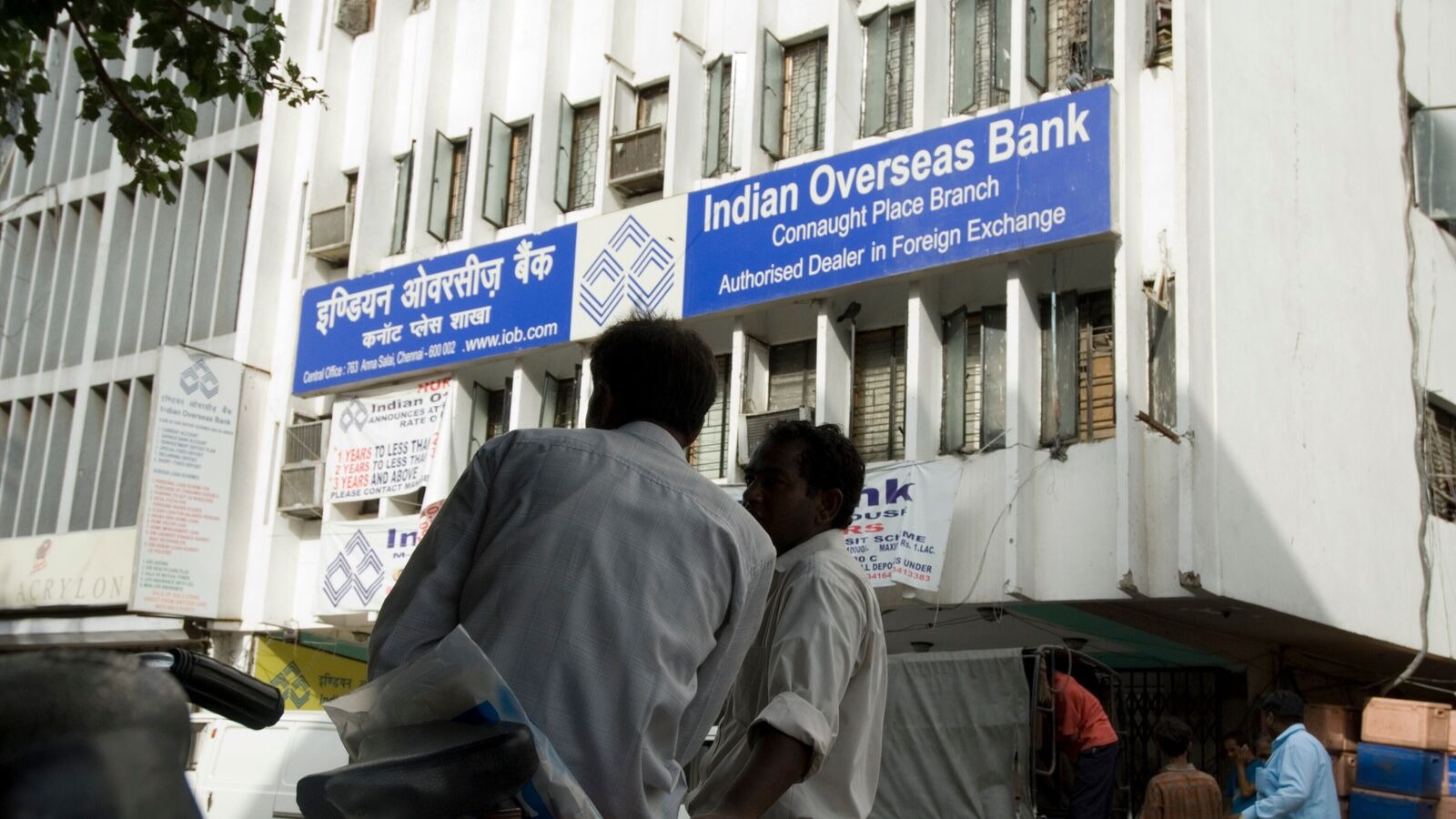
Indian Overseas Bank reported a domestic net interest margin (NIM) of 3.48% for the June quarter of 2026. The performance reflects disciplined liability management, asset repricing via a mid-June MCLR adjustment, and stable credit interest generation driven by its dominant Retail, Agriculture, and MSME loan portfolio.
The public sector lender’s margin expansion reflects improved asset pricing and lower fresh deposit costs during the opening quarter.
CHENNAI — Indian Overseas Bank (IOB) has announced its financial performance for the first quarter of the fiscal year 2026–27, highlighting a domestic net interest margin (NIM) of 3.48% for the period ending June 30, 2026. This development, disclosed to the stock exchanges on Monday, July 20, 2026, marks an important milestone for the Chennai-headquartered state-owned bank as it navigates changing conditions in the domestic credit environment and aims to enhance core profitability.
Factors Driving Margin Expansion
The domestic net interest margin of 3.48% reported by Indian Overseas Bank indicates a notable recovery in core interest-earning capacity compared to previous fiscal intervals. In the preceding financial year, the bank's global NIM faced compression, registering at 3.21% due to escalating deposit acquisition costs across the banking sector. The domestic performance during the June quarter reflects a stabilization of the bank's cost of funds, aided by a strategic 30 basis points reduction in fresh rupee term deposit rates implemented early in the fiscal year. This strategic adjustment enabled the bank to cushion its spreads against the industry-wide pressure of high-cost liability mobilization.
Furthermore, the bank's domestic operations have benefited from a balanced Credit-to-Deposit (CD) ratio, which previously stood near 81% for its domestic books. By deploying available liquidity into higher-yielding credit channels rather than lower-yielding government securities, the management helps Indian Overseas Bank optimize its returns. This dynamic approach has insulated the domestic lending operations from systemic rate pressures applied to select corporate advance accounts.
Structural Credit Repricing and RAM Portfolio
A primary engine behind the strong domestic net interest margin is the bank's heavily weighted Retail, Agriculture, and MSME (RAM) lending portfolio, which makes up roughly 82% of its total domestic advances. Because the RAM segment typically commands higher yields relative to large corporate credit arrangements, this portfolio composition provides structurally higher interest inflows. The bank's emphasis on micro and small enterprise loans, alongside agricultural credit facilities, has allowed it to maintain stable yields on advances, reinforcing the net interest income generated throughout the three-month period.
Simultaneously, the bank applied a 5 basis points hike to its Marginal Cost of Funds Based Lending Rate (MCLR), effective mid-June 2026. This tactical repricing of floating-rate advances helped offset a 10 basis points reduction in its base rate executed earlier in May. By actively managing these lending benchmarks, the bank successfully optimized the spread between its gross interest earned on domestic advances and the interest paid out to retail depositors.
Asset Quality and Provisioning Trajectory
The bank's capacity to maintain a strong domestic NIM is intrinsically linked to its sustained improvement in asset quality. Higher non-performing assets typically weigh heavily on margins due to interest reversal requirements on bad loans. However, the bank entered the current fiscal year backed by a historically low domestic slippage ratio of 0.11% and a progressive reduction in its gross non-performing asset (GNPA) ratio, which fell to 1.42% by the end of the previous fiscal cycle.
Reduced credit impairment allows a higher percentage of the bank’s total loan book to actively generate interest income, thereby boosting the overall domestic margin figure. While legacy non-performing assets within the bank’s overseas segment remain a focus for international corporate resolutions, the domestic segment has successfully isolated itself from these pressures through strong recovery and upgrade momentum.
Official Sources Section
The financial performance metrics and the specific domestic NIM figure are sourced from official regulatory disclosures filed by Indian Overseas Bank with the market authorities. In compliance with statutory guidelines, these audited quarterly accounts have been submitted to BSE Limited and the National Stock Exchange of India. Stakeholders can also access the comprehensive balance sheet data and the detailed segment-wise earning performance via the official investor relations platform of the institution.
Quote Section
"According to officials," the bank is focused on sustaining its domestic margin trajectory by continuing its selective corporate lending approach, limiting large corporate credit generation to a core network of specialized branches, while leveraging its vast domestic branch network to maximize high-yield retail and MSME credit deployment.
Why It Matters
For institutional investors, the domestic net interest margin of 3.48% serves as a critical indicator of the bank's structural efficiency. In a competitive banking environment where deposit costs remain sticky, a high NIM highlights effective liability management and efficient credit pricing. For depositors and everyday consumers, the financial health of a public sector bank ensures institutional stability and supports expanded credit availability for local businesses, small industries, and agricultural sectors.
Key Facts at a Glance
Key Metric: Domestic Net Interest Margin (NIM) reached 3.48% for the June quarter.
Portfolio Strategy: High-yielding RAM (Retail, Agriculture, MSME) lending accounts for approximately 82% of domestic advances.
Liability Management: Supported by a 30 bps reduction in fresh rupee term deposit rates early in the cycle.
Regulatory Submissions: Accounts formally reviewed and submitted to BSE Limited and National Stock Exchange of India.
FAQ
What does the 3.48% domestic NIM indicate for Indian Overseas Bank?
The 3.48% domestic NIM indicates strong core profitability and efficient alignment between the interest earned on advances and interest paid on deposits within its domestic operations.
How does the RAM segment affect the bank's net interest margin?
The Retail, Agriculture, and MSME (RAM) segment constitutes 82% of domestic advances and provides higher yield profiles compared to wholesale corporate loans, helping lift the bank's overall profit margin.
Where can the official corporate statements be verified?
The verified corporate disclosures and statutory balance sheets are accessible directly via the investor filing systems of BSE Limited and the National Stock Exchange of India.
Source: BSE Limited, National Stock Exchange of India, Indian Overseas Bank Investor Relations