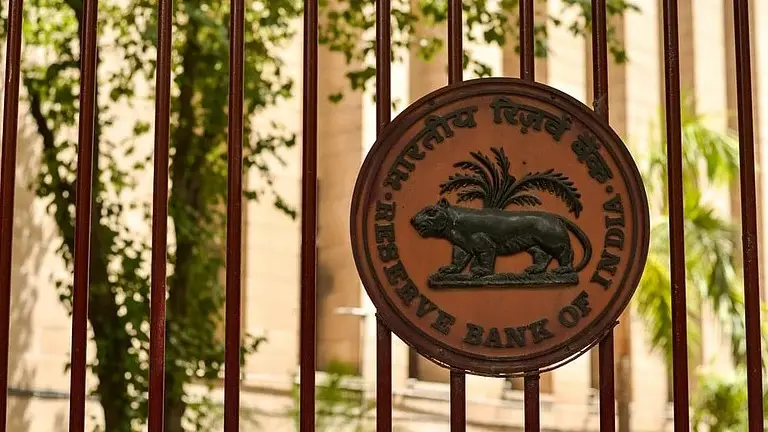
The Indian rupee opened unchanged at 94.66 against the US dollar amid balanced macro drivers. Strong support from lower global crude prices below $80 per barrel was neutralized by a hawkish Federal Reserve outlook, keeping the USD/INR spot market closely range-bound.
MUMBAI, INDIA — The Indian rupee opened flat at 94.66 against the US dollar in early trading on Wednesday, showing minimal variation from its previous technical thresholds.
The stable open at the Interbank Foreign Exchange market highlights a temporary equilibrium between competing global macroeconomic factors. While crude oil prices have softened following breakthroughs in United States-Iran geopolitical negotiations, the domestic currency faces persistent headwinds from an elevated US Dollar Index (DXY). Currency traders noted that institutional market participants are practicing caution, keeping spot volumes range-bound as they wait for fresh macroeconomic indicators and scheduled diplomatic dialogues in the Middle East.
Global Tailwinds and Headwinds Keep Spot Market Contained
Forex desks in Mumbai reported that the rupee’s unchanged opening level of 94.66 is the result of two opposing market forces cancellation.
The primary support mechanism for the local unit is the recent cooling of energy markets. Brent crude futures continue to trade comfortably below the $80 per barrel threshold, a sharp decline from the triple-digit peaks recorded earlier in the year. Because India imports roughly 85% of its crude oil requirements, any sustained drop in oil prices slashes the country’s monthly import bill, easing current account deficit pressures and curbing immediate dollar demand.
However, these structural gains are being offset by aggressive pricing in global bond markets. The US Dollar Index, which measures the greenback against a basket of six major currencies, continues to hover near multi-month highs. This strength is sustained by hawkish commentary from Federal Reserve officials, signaling that US interest rates will remain elevated for longer to lock down inflation. This interest rate outlook limits capital inflows to emerging markets.
Institutional Intervention Strategies: RBI Maintaining Defenses
Market sources indicate that the Reserve Bank of India (RBI) remains active via state-run banks to prevent the rupee from sliding past key psychological support lines. In previous volatile sessions, state-run institutions aggressively sold dollars on behalf of the central bank to absorb excess depreciation pressures.
Forex advisory firms suggest that the USD/INR currency pair faces an initial technical resistance ceiling near the 94.80 level. Conversely, strong horizontal support is firmly established around the 94.10 to 94.20 zone. This robust structural boundary has repeatedly triggered dollar-buying actions by local importers seeking to hedge near-term payables.
Official Sources Section
The exchange rate data, market intervals, and regulatory parameters outlined in this report were compiled from active trading logs at the Interbank Foreign Exchange market. Data aggregates are synchronized with the financial reporting systems of the National Stock Exchange of India (NSE) and the Bombay Stock Exchange (BSE). Reference benchmarks conform to the daily currency valuation panels published by the Reserve Bank of India (RBI).
Quote Section
"According to officials and regional currency strategists, the immediate trajectory of emerging market assets hinges tightly on foreign institutional investment flows and the final resolution of the maritime shipping corridors in the Middle East."
Why It Matters
For Indian consumers and corporations, a stable rupee prevents sudden spikes in the cost of imported goods, helping keep domestic retail inflation manageable. For international investors, low volatility in the spot currency market reduces foreign exchange translation risks, making Indian equity and debt instruments more predictable. Meanwhile, local IT and pharmaceutical exporters can utilize these flat periods to lock in predictable forward contracts before the next major wave of global macroeconomic data drops.
Key Facts at a Glance
Opening Spot Value: The Indian rupee opened completely flat at 94.66 against the US dollar.
Energy Market Relief: Brent crude oil trading below $80 per barrel provides core current account support.
Global Counterweight: A robust US Dollar Index continues to limit emerging market currency appreciation.
Central Bank Posture: The Reserve Bank of India remains active through state banks to smooth out erratic intraday swings.
Frequently Asked Questions
What does it mean when the rupee "opens flat"?
It means the currency began the day's official interbank trading session at or extremely close to the exact exchange rate value at which it closed the previous business day.
How do lower crude oil prices help the Indian rupee?
Since India imports the vast majority of its oil, cheaper crude reduces the total volume of dollars local companies must purchase to settle international energy invoices, lowering downward pressure on the rupee.
Why is the US dollar staying strong globally?
The greenback remains supported by a hawkish policy stance from the US Federal Reserve, where policymakers have indicated that US interest rates will stay higher for longer to combat sticky inflation.
Source: Reserve Bank of India Reference Rate Portal, National Stock Exchange of India Forex Archives.