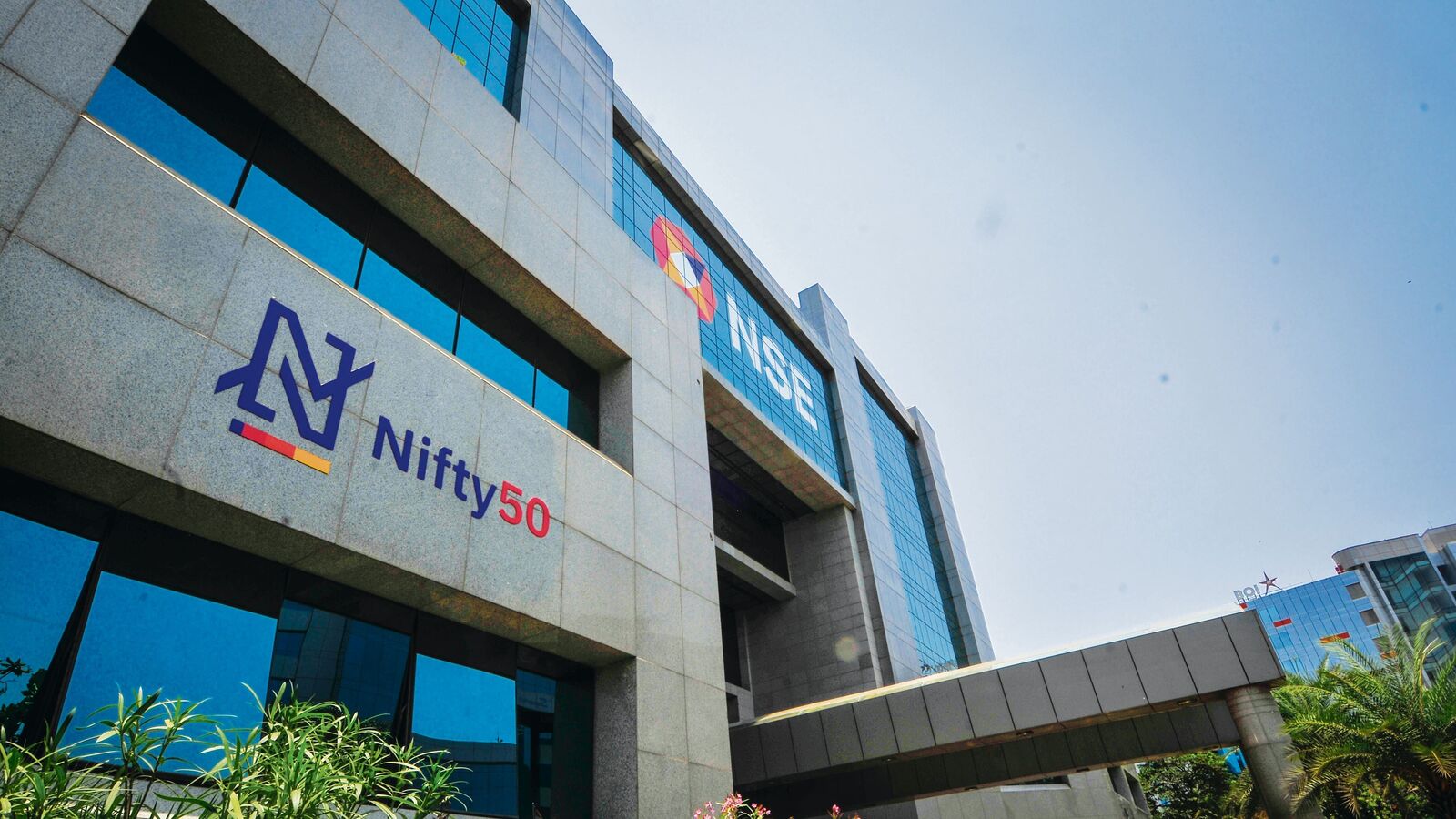
The Indian rupee appreciated 0.2 percent to settle at 95.6475 against the U.S. dollar on July 29, 2026, recovering from 95.8525. The gain coincided with a 1.07 percent rally in the benchmark Nifty 50 index, buoyed by foreign equity inflows and a softening dollar index.
MUMBAI — The Indian rupee strengthened against the U.S. dollar on July 29, 2026, closing higher by 0.2 percent as domestic equity benchmarks posted robust gains across trading desks. Official market data indicates the currency settled at 95.6475 per dollar, recovering from its previous close of 95.8525. Concurrently, the National Stock Exchange’s flagship benchmark, the Nifty 50 index, provisionally closed 1.07 percent higher, driven by strong institutional buying and a generalized rally across heavyweights.
The synchronized recovery in currency and equity valuations offers immediate support to domestic markets navigating broader macroeconomic shifts. Stronger operational momentum in capital markets helps cushion import costs while reinforcing foreign institutional allocations into Indian capital assets.
Forex Desk Drivers and Currency Dynamics
Trading at the interbank foreign exchange market reflected sustained dollar-selling by exporters and foreign banks throughout the session. The Indian rupee opened on a firm footing near 95.70 before advancing to intraday highs near 95.63 against the greenback. The 0.2 percent single-day gain translates to an appreciation of approximately 20.5 paise from Tuesday's settlement.
Currency strategists attributed the day's advance to a weaker U.S. Dollar Index (DXY), which slipped toward 101.14 as global market participants adjusted exposure ahead of international central bank rate decisions. Lower crude oil volatility relative to recent session spikes also relieved import cover pressures on domestic state-run oil refining entities.
Nifty 50 Leads Broad Equity Market Rally
The National Stock Exchange's Nifty 50 index provisionally gained over 1 percent, reclaiming key technical thresholds as buying interest accelerated across technology, banking, and industrial manufacturing counters. Broader market indices on Dalal Street mirrored the optimism, with advance-decline ratios heavily favoring advancing stocks.
Institutional trade reports confirmed that Foreign Institutional Investors (FIIs) turned net buyers in Indian cash market equities, reversing previous capital outflow trends seen earlier in the trading week. Combined with steady allocations from Domestic Institutional Investors (DIIs), equity market liquidity remained resilient throughout the trading afternoon.
Macroeconomic Impact on Businesses and Consumers
The simultaneous rise of the Indian rupee and equity benchmarks carries direct implications across domestic commercial sectors:
Importers and Refiners: A stronger domestic currency reduces the landed cost of imported crude oil, electronic components, and industrial raw materials, helping contain input cost inflation.
Corporate Earnings: Technology and export-oriented firms face marginal currency conversion adjustments, balanced by renewed investor appetite for equities.
Overseas Travelers and Students: A firmer Indian rupee offers marginal relief for international expenditure, education fees, and foreign travel conversions.
Retail Investors: The 1.07 percent surge in the Nifty 50 bolsters portfolio valuations across equity mutual funds and direct stock holdings.
Official Sources
Market metrics and operational closes reported in this dispatch were verified through official trade settlement summaries issued by the National Stock Exchange of India (NSE) and foreign exchange clearing data monitored by the Reserve Bank of India (RBI). Regulatory filings under the Securities and Exchange Board of India (SEBI) confirmed institutional trade values for the trading session.
According to official market updates from foreign exchange desks and institutional dealers, the local currency benefited from a combination of soft dollar index trends and robust equity inflows.
"Market participants witnessed steady supply of greenbacks from corporate exporters alongside sustained foreign portfolio inflows into domestic equities," foreign exchange analysts noted following the market close. "The stabilization of global energy benchmark prices provided additional headroom for the currency to strengthen."
Why It Matters
Capital Inflow Continuity: Net institutional buying in equities reinforces domestic liquidity and stabilizes local asset prices.
Inflation Management: Currency appreciation helps mitigate imported inflation risks across energy and industrial supply chains.
Forex Reserve Stability: Reduced intervention demands enable central bank authorities to maintain robust foreign currency reserves.
Key Facts at a Glance
Rupee Closing Rate: 95.6475 per US Dollar (+0.2% / +20.5 paise).
Previous Rupee Close: 95.8525 per US Dollar.
Nifty 50 Movement: Provisionally closed up 1.07%.
Primary Drivers: Softening US Dollar Index, FII equity buying, and stabilized energy prices.
Reporting Date: July 29, 2026.
Frequently Asked Questions
What was the final closing rate for the Indian rupee against the US dollar?
The Indian rupee closed 0.2 percent higher at 95.6475 per US dollar, recovering from its previous session closing rate of 95.8525.
How did the Nifty 50 index perform during the trading session?
The Nifty 50 index provisionally ended 1.07 percent higher, supported by broad-based buying across technology, banking, and industrial stocks.
What factors contributed to the rupee's appreciation?
Key factors included a weaker US Dollar Index, positive foreign institutional investor capital flows into Indian stock markets, and lower crude oil price volatility.
How does a stronger Indian rupee affect local consumers?
A stronger local currency helps reduce import costs for essential commodities like oil and electronics, assisting in curbing domestic retail inflation.
Source: Official market closing disclosures published by the National Stock Exchange of India (NSE), official exchange rate benchmarks from the Reserve Bank of India (RBI), and regulatory transaction notifications via the Securities and Exchange Board of India (SEBI).