India's total fuel consumption dropped 2.8% year-on-year to 18.61 million metric tons in August, according to official ministry data. The overall contraction occurred despite strong consumer mobility and agricultural pumping that drove petrol sales up 8.2% and diesel sales up 6.8%, offset by sharp declines in industrial fuels and LPG.
NEW DELHI — India’s total fuel consumption fell 2.8% year-on-year to 18.61 million metric tons in August, according to official data released by the Ministry of Petroleum and Natural Gas, even as retail automotive fuels posted firm annual gains.
The contradictory trend saw diesel sales rise 6.8% and petrol sales climb 8.2% compared to the same month last year, driven by strong passenger vehicle mobility and elevated agricultural irrigation requirements. However, sharp contractions in liquefied petroleum gas (LPG), industrial bitumen, naphtha, and heavy fuel oils pulled aggregate oil product consumption lower. The figures provide crucial insight into the shifting energy mix of the world’s third-largest oil consumer as industrial substitution gathers pace.
Retail Fuel Demand Diverges from Industrial Consumption
Data collated by the Petroleum Planning & Analysis Cell (PPAC) highlights a marked divergence between consumer transport sectors and heavy industrial segments.
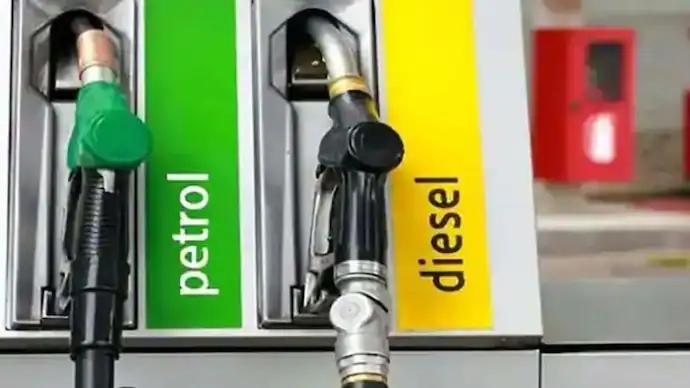
Diesel, the single most consumed fuel across India, accounting for roughly two-fifths of national refined product demand, expanded 6.8% year-on-year. The growth in diesel consumption was supported by commercial logistics networks and heightened reliance on diesel-powered pump sets by agricultural operators in regions experiencing uneven seasonal monsoon distribution.
Petrol sales maintained momentum with an 8.2% annual increase, reflecting sustained urban commute volumes, expanding two-wheeler fleets, and record domestic passenger car registrations. Aviation turbine fuel (ATF) consumption also sustained positive traction on the back of rising domestic passenger air traffic.
Despite the strength in automotive grades, overall fuel sales declined 2.8% to 18.61 million metric tons. The primary drag stemmed from a slump in industrial fuel oil usage, petcoke substitution, and a notable double-digit drop in LPG demand, where commercial and residential consumers have steadily transitioned toward piped natural gas (PNG) and alternative feedstocks.
Shifting Energy Mix and Weather Dynamics
The August data reflects unusual weather conditions alongside structural shifts in domestic energy consumption. While normal monsoon seasons typically suppress fuel usage due to curtailed construction, reduced mining output, and halted field irrigation, uneven rainfall patterns during August prompted farmers to burn more diesel to run irrigation pumps during the sowing season.
Simultaneously, infrastructure and road-laying activities faced seasonal slowdowns, reducing bitumen off-take. In urban centers, government-backed expansion of city gas distribution (CGD) infrastructure is actively eroding commercial reliance on bulk LPG cylinders. Industrial manufacturers have also substituted heavy fuel oil with liquefied natural gas (LNG) where pricing differentials proved advantageous.
Broader Economic and Market Impact
The August petroleum sales data carries tangible implications across several key sectors:
State-Run Fuel Retailers: Indian Oil Corporation (IOC), Bharat Petroleum Corporation (BPCL), and Hindustan Petroleum Corporation (HPCL) recorded healthy retail throughput for primary transport fuels, protecting marketing margins on petrol and diesel.
Industrial and Commercial Consumers: Shifting feedstock economics underscore growing industrial adoption of natural gas over traditional petroleum distillates.
Agriculture and Logistics: Higher diesel consumption confirms sustained freight movement and operational agricultural demand despite weather disruptions.
Energy Policy and Fiscal Planning: A moderation in overall refined fuel sales slightly alleviates crude oil import pressures during periods of elevated global oil prices.
Official Sources
According to monthly consumption reports released by the Petroleum Planning & Analysis Cell (PPAC), an attached office of the Ministry of Petroleum and Natural Gas, India consumed 18.61 million metric tons of refined petroleum products during August.
Supplementary refining and delivery disclosures submitted by state-run oil marketing entities to the National Stock Exchange of India (NSE) and the BSE Limited confirmed that high-speed diesel (HSD) and motor spirit (petrol) volumes rose 6.8% and 8.2% year-on-year, respectively.
Official and Industry Commentary
According to officials familiar with the monthly trade numbers, underlying demand for mobility remains solid despite aggregate volume contractions.
Ministry and oil marketing company representatives stated:
"Retail fuel consumption remained resilient through August, supported by robust vehicular transport and localized agricultural irrigation needs. The moderation in overall petroleum sales reflects seasonal industrial adjustments, road construction slowdowns, and structural shifts toward natural gas networks in commercial segments."
Commodity analysts observed that while the macro headline suggests softer oil demand, the strength in diesel indicates underlying health across the broader domestic supply chain.
Why It Matters
The August performance highlights key structural developments in India’s macroeconomic trajectory:
Economic Velocity Indicator: Diesel serves as a key economic barometer; annual growth confirms steady domestic freight, manufacturing distribution, and agricultural operations.
Energy Transition: The drop in total petroleum product sales alongside declining LPG and fuel oil demand illustrates real-world penetration of piped natural gas and cleaner grid fuels.
Trade Balance Cushion: Reduced industrial fuel demand provides a modest offset to India’s petroleum import bill when benchmark crude prices face international volatility.
Key Facts at a Glance
Total Fuel Consumption: 18.61 million metric tons, down 2.8% year-on-year.
Diesel Sales: Rose 6.8% year-on-year, supported by logistics and farm irrigation.
Petrol Sales: Increased 8.2% year-on-year, propelled by private passenger mobility.
Primary Laggards: Industrial fuel oils, bitumen, and commercial LPG.
Reporting Agency: Petroleum Planning & Analysis Cell (PPAC), Ministry of Petroleum and Natural Gas.
Frequently Asked Questions
Why did India's total fuel sales drop if petrol and diesel sales rose?
While transport fuels like petrol and diesel saw healthy demand, overall fuel consumption fell 2.8% due to steep declines in other refined products, including industrial fuel oil, bitumen, and LPG, which were affected by seasonal industrial pauses and gas substitution.
What drove the increase in August diesel demand?
Diesel demand grew 6.8% year-on-year due to sustained inter-state freight logistics and higher demand from agricultural pumpsets, where farmers compensated for uneven regional monsoon rainfall during the crop sowing period.
Why are LPG sales declining in India?
LPG volumes have faced downward pressure as commercial users (such as hotels and restaurants) and domestic consumers increasingly shift to piped natural gas (PNG) under expanding city gas distribution projects.
Who compiles and publishes India's fuel consumption data?
The data is collected and compiled by the Petroleum Planning & Analysis Cell (PPAC), operating under the Union Ministry of Petroleum and Natural Gas.
Source: Official monthly reports published by the Petroleum Planning & Analysis Cell (PPAC) under the Ministry of Petroleum and Natural Gas, verified market filings from Indian Oil Corporation (IOC), and regulatory records filed with the National Stock Exchange of India (NSE) and the Ministry of Finance.