The Defence Acquisition Council has cleared capital acquisition proposals worth approximately ₹1.10 lakh crore (1.10 trillion rupees), granting Acceptance of Necessity for military hardware including HAL's Advanced Light Helicopters. Around 98% of the procurement will be sourced domestically, strengthening operational combat readiness across the Army, Navy, and Air Force.
NEW DELHI — India’s Defence Acquisition Council (DAC), chaired by Defence Minister Rajnath Singh, has accorded Acceptance of Necessity (AoN) for military capital acquisition proposals valued at approximately ₹1.10 lakh crore (1.10 trillion rupees), including the procurement of indigenous Advanced Light Helicopters (ALH) manufactured by Hindustan Aeronautics Limited (HAL).
The high-level procurement clearance represents the initial statutory phase in the nation's defense acquisition procedure, establishing the formal requirement for advanced rotary platforms, tactical combat vehicles, and frontline electronic warfare suites. The decision signals an intensification of the central government’s self-reliance push across tri-service operational branches, mandating that approximately 98% of the ₹1.10 trillion procurement volume be sourced directly from domestic industrial manufacturers.
Fleet Expansion for HAL Advanced Light Helicopters
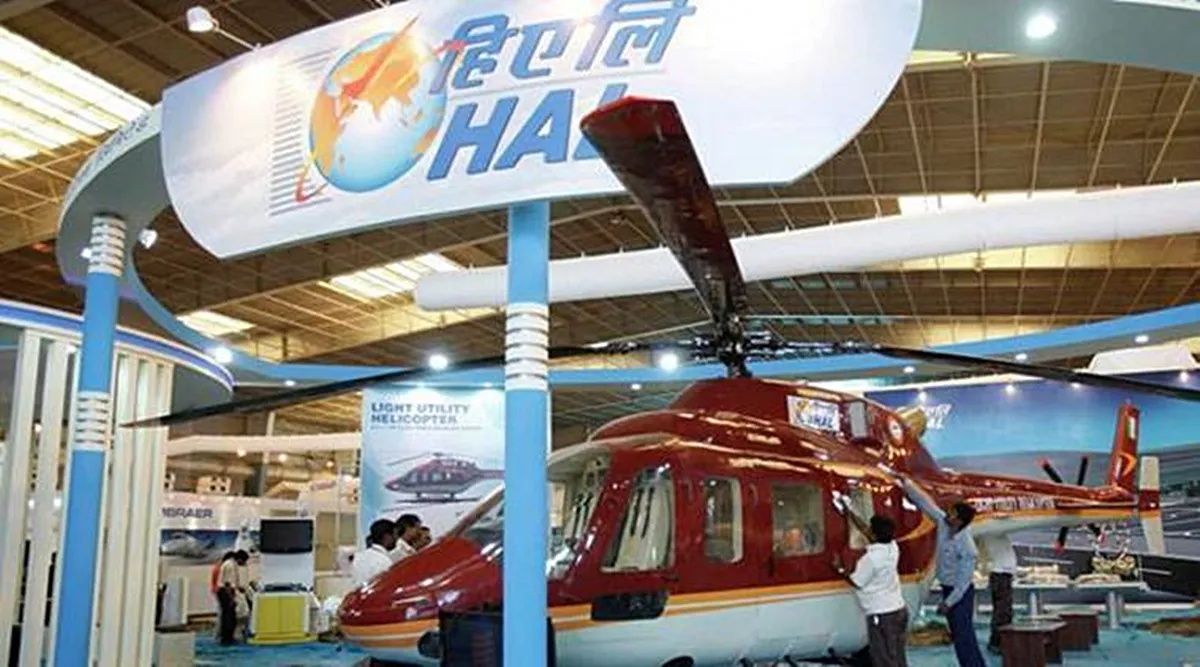
The cleared acquisition package places Hindustan Aeronautics Limited’s Advanced Light Helicopter (ALH) platform at the center of upcoming multi-role deployments. The indigenous twin-engine rotary aircraft—predominantly known as the ALH Dhruv—will be inducted to support combat, tactical transport, casualty evacuation, and high-altitude logistics missions for both the Indian Army and the Indian Air Force.
The ALH family has evolved into a key element of border surveillance and troops-insertion missions across high-altitude Himalayan sectors and coastal frontiers. Granting the AoN allows the Ministry of Defence to formalize technical specifications, schedule commercial tendering milestones, and finalize production volumes with Bengaluru-headquartered HAL.
The approval provides long-term production and revenue visibility for HAL's helicopter division, which continues to supply indigenous armed weapon system variants, including the Rudra and Light Combat Helicopter (LCH) Prachand, across operational commands.
Tri-Service Hardware Cleared Across Domains
In addition to indigenous rotary aircraft, the DAC approved major acquisitions across land, sea, and aerial combat formations:
Indian Army Formations: The council approved the procurement of Chemical, Biological, Radiological and Nuclear (CBRN) reconnaissance vehicles, High Mobility Vehicles (HMVs), self-propelled mechanical mine layers (MMLs), trawl tanks, and Sarvatra bridge systems. These mobility and obstacle-clearing systems are engineered to facilitate rapid movement and continuous river crossings during mechanized combat maneuvers.
Indian Navy Modernization: AoN was granted for the acquisition of indigenous Arudhra radar systems to replace legacy air route surveillance installations at naval air stations. The council also cleared the design, development, and future procurement of domestic Marine Gas Turbines (MGT), lowering foreign dependency for surface warship propulsion.
Indian Air Force Enhancements: Clearances cover specialized electronic countermeasures, notably Ground-Based Multi-Purpose Jammers (GBMPJ) designed to disrupt hostile radar coverage, alongside upgrades for fighter and transport platforms and the implementation of the Defence Forces Secure Access Card (DEFSAC) system.
Strategic Shift Under Indigenisation Mandate
The procurement clearance reflects the Ministry of Defence’s defense indigenisation policy, known as Aatmanirbhar Bharat (Self-Reliant India). With roughly 98% of the aggregate ₹1.10 trillion outlays designated for Indian production entities, the decision channels public capital directly into domestic tier-1 manufacturers, defense public sector undertakings (DPSUs), and private micro, small, and medium enterprises (MSMEs).
Financial institutions tracking the defense sector noted that the broadening of AoN approvals across platforms—ranging from avionics and heavy vehicle engineering to naval propulsion—enhances supply-chain depth. Domestic suppliers of specialized alloys, composite materials, transmission components, and mission electronics are poised to secure sustained subcontracting workflows over multi-year delivery timelines.
Official Sources
According to official administrative announcements published by the Ministry of Defence, the Defence Acquisition Council granted Acceptance of Necessity to proposals totaling approximately ₹1.10 lakh crore during its capital review session chaired by Defence Minister Rajnath Singh.
Corporate disclosures reflecting commercial project implications for state-run aerospace manufacturers remain archived with the National Stock Exchange of India (NSE) and the BSE Limited. Defense budgetary frameworks and capital expenditure allocations are governed under annual allocations by the Ministry of Finance.
Official Statements
According to ministry statements issued following the conclusion of the acquisition meeting, the procurement approvals focus on operational readiness and battlefield resilience.
The Ministry of Defence stated in its release:
"The Defence Acquisition Council accorded Acceptance of Necessity for various acquisition proposals of the armed forces at an estimated cost of about Rs 1,10,000 crore. The Advanced Light Helicopters will execute complex missions across all terrains and operational situations for the Indian Army and the Indian Air Force, while 98 per cent of the total procurements will be sourced from domestic Indian industry."
Market analysts added that the move establishes clear procurement pipelines for primary defense contractors, accelerating modernization roadmaps for the armed forces.
Why It Matters
The DAC’s approval carries significant operational, financial, and strategic weight:
Operational Preparedness: Modernizes troop transport and reconnaissance across disputed border areas through new deliveries of HAL’s Advanced Light Helicopters.
Industrial Autonomy: Decreases systemic reliance on foreign military suppliers by developing domestic capabilities in radar electronics, combat engineering systems, and naval marine turbines.
Economic Multipliers: Drives multi-year capital outlays into domestic manufacturing clusters, generating high-skill engineering jobs and bolstering domestic research pipelines.
Key Facts at a Glance
Total Approved Outlay: Approximately 1.10 trillion rupees (₹1.10 lakh crore).
Sanctioning Body: Defence Acquisition Council (DAC), chaired by Defence Minister Rajnath Singh.
Primary Rotary Asset: Advanced Light Helicopters (ALH) manufactured by Hindustan Aeronautics Limited (HAL).
Domestic Share: Around 98% of cleared items to be procured from Indian industry.
Key Platforms Covered: ALH helicopters, Arudhra radars, Marine Gas Turbines, CBRN reconnaissance vehicles, and multi-purpose jammers.
Frequently Asked Questions
What does the Defence Acquisition Council's clearance signify?
The DAC's Acceptance of Necessity (AoN) represents formal, in-principle administrative approval required before the Ministry of Defence can issue commercial requests for proposal (RFPs), conduct technical trials, and sign binding procurement contracts.
How does this decision impact Hindustan Aeronautics Limited (HAL)?
The approval grants an AoN for Advanced Light Helicopters, setting the stage for substantial new manufacturing orders that expand HAL's existing order book and long-term production schedule.
What percentage of the ₹1.10 trillion outlay is dedicated to Indian companies?
According to the Ministry of Defence, approximately 98% of the total approved procurement will be sourced from Indian industry under the Aatmanirbhar Bharat initiative.
Which branches of the armed forces benefit from this round of approvals?
All three branches—the Indian Army, the Indian Navy, and the Indian Air Force—benefit, receiving rotary aircraft, specialized reconnaissance vehicles, bridging gear, naval radars, and electronic jammers.
Source: Official press releases published by the Ministry of Defence, notifications filed by Hindustan Aeronautics Limited, statutory records on the National Stock Exchange of India (NSE), and capital expenditure documentation from the Ministry of Finance.