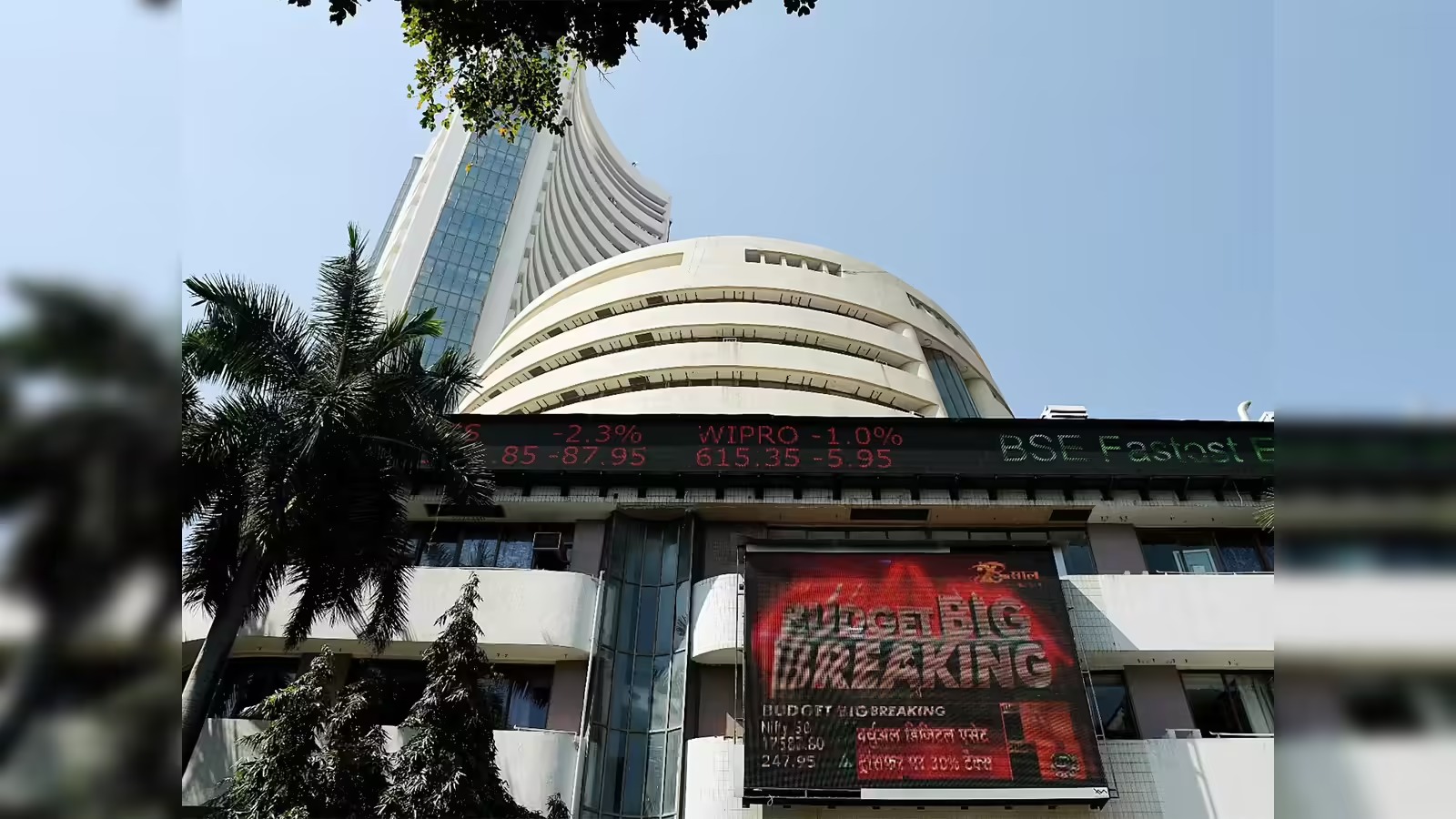
The BSE Sensex dipped 0.5% on July 20, 2026, as Brent crude topped $90 per barrel amid U.S.-Iran tensions. Despite the sell-off in financial stocks, market sentiment remains cautious, with investors monitoring the impact of rising energy costs and FPI outflows on domestic inflationary pressures and economic growth.
The benchmark index recovered from earlier steep declines on Monday, trading down by approximately 0.5% as market participants navigated the impact of surging oil prices and regional instability.
MUMBAI – The BSE Sensex, India’s primary stock market benchmark, showed resilience on Monday, July 20, 2026, by clawing back from deeper losses recorded in early morning trade. By early afternoon, the index was trading down by approximately 0.5% at 77,745.22, having recovered from an intraday low of 77,368.29.
The market opened the week under significant pressure, largely driven by escalating geopolitical tensions between the United States and Iran. The intensification of the conflict pushed Brent crude oil prices above $90 per barrel, heightening concerns among investors regarding global inflation, rising import costs for India, and the potential for tighter monetary policy.
Market Dynamics and Sectoral Performance
The initial sell-off was broad-based, with heavyweights in the financial services sector leading the decline. According to market data, banking majors including HDFC Bank, Axis Bank, and Kotak Mahindra Bank faced notable downward pressure. Analysts attributed the sentiment to cautious outlooks following recent quarterly earnings reports, as investors assessed the potential for compressed net interest margins.
Despite the prevailing headwinds, the broader market showed signs of divergence. While the frontline BSE Sensex and NSE Nifty indices struggled, mid-cap and small-cap segments displayed relative stability. Positive movement was observed in sectors such as pharmaceuticals, IT, and metals, which provided some buffer against the selling pressure in the financial space.
Geopolitical and Macroeconomic Factors
The volatility in the BSE Sensex is closely linked to the surge in global energy prices. As India remains one of the world's largest importers of crude oil, the rise in Brent crude to over $90 per barrel has triggered fears of a widening current account deficit and sustained inflationary pressure.
Additionally, the Indian rupee has faced depreciation, hovering near record lows, which has further complicated the outlook for foreign capital flows. Data from recent sessions indicated that Foreign Portfolio Investors (FPIs) have remained net sellers, contributing to the cautious mood on Dalal Street.
Official Statements and Market Commentary
Market organizers and financial analysts have noted that the session was primarily dictated by the confluence of international developments and the domestic corporate earnings season. With the Monsoon Session of the Indian Parliament also commencing on July 20, market participants are keeping a close watch on potential policy announcements that could influence fiscal and economic strategy.
"The market sentiment is currently dominated by external macroeconomic risks, specifically energy costs and regional conflict," noted market observers tracking the session. Organizers stated that volatility is expected to persist as investors reconcile strong domestic corporate performance with broader global economic uncertainties.
Why It Matters
The current performance of the BSE Sensex is a critical indicator of investor confidence amid high-stakes global developments. For businesses and consumers, the rise in energy prices and the weakening rupee could lead to higher costs for fuel and imported goods, potentially impacting domestic inflation rates. Investors are advised to monitor central bank signals and energy market trends as the primary drivers of market volatility in the near term.
Key Facts at a Glance
Sensex Status: Trading down approximately 0.5% at 77,745.22 as of 1:35 PM IST.
Primary Driver: Brent crude oil prices surged above $90 per barrel, sparking inflation fears.
Sector Impact: Financial and banking stocks, including HDFC Bank and Axis Bank, saw significant downward movement.
Broader Context: The market is navigating a complex environment, including FPI outflows and geopolitical tensions between the U.S. and Iran.
Outlook: Market participants are closely watching domestic policy developments during the 2026 Monsoon Session of Parliament.
FAQ
Why is the BSE Sensex falling today?
The decline is largely attributed to higher crude oil prices and geopolitical tensions in the Middle East, which have dampened investor sentiment globally.
Which sectors are most affected?
Financial services and banking stocks have been the primary drags on the index, while IT and pharma sectors have shown relative resilience.
How does the oil price spike affect the market?
Rising oil prices increase India's import bill, potentially stoking domestic inflation and forcing companies to manage higher input costs, which pressures profit margins.
What is the impact of the current FPI selling?
Continued selling by Foreign Portfolio Investors reduces liquidity and adds downward pressure on Indian equity benchmarks.
Source: BSE India, Reserve Bank of India, Ministry of Finance, ICICI Direct Market Commentary