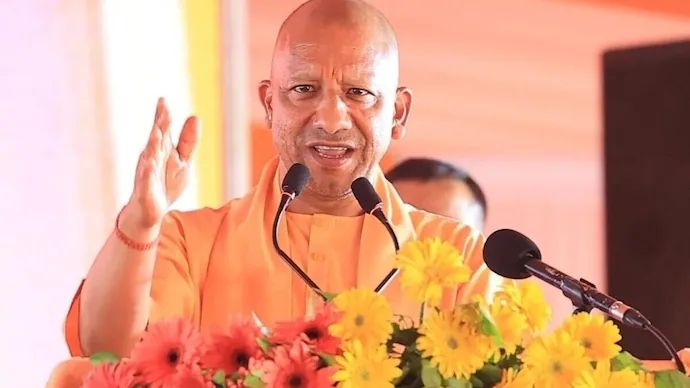
Uttar Pradesh Chief Minister Yogi Adityanath launched the Mukhyamantri Shikshak Cashless Medical Scheme to provide up to ₹5 lakh in annual cashless health coverage for over 12 million teachers, staff, and their families, paired with enhanced social security and insurance benefits.
Uttar Pradesh Chief Minister Yogi Adityanath rolls out a landmark cashless healthcare and insurance initiative for millions of state education personnel.
In a major welfare push for the state's education sector, Uttar Pradesh Chief Minister Yogi Adityanath officially launched the Mukhyamantri Shikshak Cashless Medical Scheme (Mukhyamantri Shikshak Cashless Chikitsa Suvidha Yojana). Rolled out across key state events, the comprehensive program aims to alleviate the financial burdens associated with medical emergencies for educators and staff. By extending robust health coverage and financial protection, the initiative marks a critical milestone in safeguarding the well-being of the teaching community.
Comprehensive Medical Coverage and Eligibility
According to official announcements from the Uttar Pradesh government, the Mukhyamantri Shikshak Cashless Medical Scheme covers over 12 million educators, instructional staff, and associated personnel across basic, secondary, and higher education institutions.
Financial Limit: Eligible beneficiaries and their dependent family members receive cashless medical treatment of up to ₹5 lakh annually.
Empanelled Facilities: The coverage is redeemable across a vast network of empanelled government and private hospitals throughout the state.
Broad Inclusion: Beyond regular teachers, the scheme encompasses Shiksha Mitras, instructors, vocational staff, cooks under nutrition programs, and non-teaching personnel.
Wide Treatment Range: The program integrates more than 1,900 treatment packages aligned with Ayushman Bharat standards, covering critical illnesses such as oncology, cardiovascular treatments, and complex surgeries.
Integration and Implementation Framework
The implementation of the Mukhyamantri Shikshak Cashless Medical Scheme is managed through the State Agency for Comprehensive Health and Integrated Services (SACHIS) via a transparent digital framework. Additionally, strategic banking partnerships—such as agreements with the State Bank of India (SBI) and Punjab National Bank (PNB)—bolster the initiative by providing complementary social security benefits. These provisions include high-value term life insurance, personal accident coverage, and hospital cash allowances, ensuring holistic protection for participating educators.
Why It Matters
For teachers, staff, and their dependents across Uttar Pradesh, the Mukhyamantri Shikshak Cashless Medical Scheme removes the immediate monetary stress of unexpected health crises. By ensuring seamless access to quality medical care without upfront out-of-pocket payments, the state government reinforces educator welfare and institutional stability.
Key Facts at a Glance
Scheme Name: Mukhyamantri Shikshak Cashless Medical Scheme.
Health Coverage: Up to ₹5 lakh per family annually for cashless treatments.
Beneficiaries: Over 12 million teachers, instructors, administrative staff, and auxiliary workers along with dependents.
Treatment Scope: Over 1,900 medical and surgical packages spanning critical care.
Frequently Asked Questions
What is the Mukhyamantri Shikshak Cashless Medical Scheme?
It is a state-backed healthcare initiative launched by UP Chief Minister Yogi Adityanath to provide free cashless medical treatment of up to ₹5 lakh per year to teachers and education department personnel.
Who is eligible to receive benefits under this scheme?
The scheme covers regular teachers, Shiksha Mitras, instructors, vocational staff, midday meal cooks, and non-teaching employees along with their dependent family members.
What types of medical treatments are included in the coverage?
The initiative includes over 1,900 medical packages covering routine care as well as critical treatments such as cancer care, heart diseases, kidney ailments, and complex surgical procedures.
Source: Government of Uttar Pradesh, NDTV, The Times of India, The Economic Times