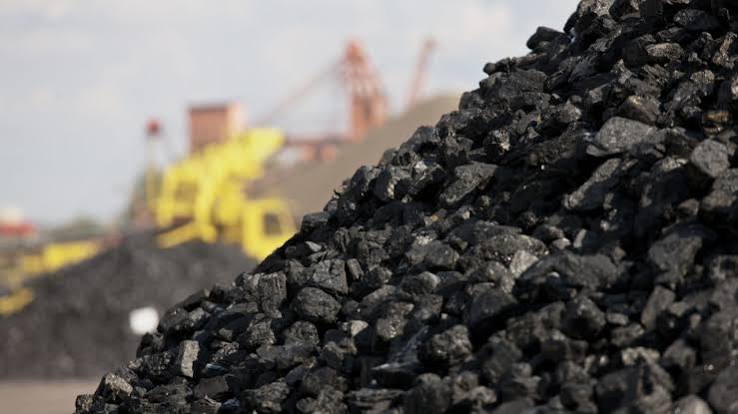
India is optimizing its coking coal import strategy to support a target steel capacity of 400 million tonnes by 2035. While the government has successfully reduced overall coal imports through domestic substitution, it continues to strategically source coking coal from Russia and other international partners to meet metallurgical demands.
NEW DELHI — India is recalibrating its coking coal procurement strategy, balancing the necessity of imports for its expanding steel sector with a push for greater resource efficiency. While India remains dependent on international suppliers due to limited domestic high-quality metallurgical coal reserves, a combination of diversified sourcing—most notably from Russia—and favorable global pricing cycles has helped optimize the nation's import bill and stabilize supply chains for industrial growth [1.1.1, 1.1.5, 1.2.5].
This shift comes as India targets a substantial increase in annual steel production, aiming to grow capacity from approximately 168 million tonnes to 400 million tonnes by 2035 [1.2.5]. To meet this demand, the nation is actively integrating specialized coal imports with domestic production efforts [1.1.5, 1.2.5].
Diversification and the Russian Factor
A key element of India's current coking coal strategy has been the strategic increase in imports from Russia [1.2.5]. In January 2026, India recorded a 63% year-on-year increase in coking coal shipments from Russia, with volumes reaching 1.22 million tonnes [1.2.4]. This growth has solidified Russia's position as one of India's primary suppliers, alongside Australia, the United States, and Mozambique [1.2.4, 1.2.5].
Industry analysts attribute this trend to competitive pricing and the stability of supply, which have proven critical as India seeks to insulate its steel industry from volatile global commodity markets [1.2.2, 1.2.5]. By leveraging these relationships, Indian steelmakers have been able to replenish stocks effectively ahead of peak production periods [1.2.4].
Domestic Push and Import Dynamics
While coking coal (metallurgical coal) remains a necessity for steelmaking, the broader context of India’s coal sector reflects a wider government push for import substitution [1.1.1, 1.1.5]. In April 2026, total coal imports for the country dropped by nearly 13% compared to the previous year, driven largely by a sharp reduction in thermal coal imports for the power sector [1.1.1, 1.1.5].
However, the coking coal segment maintains a different trajectory. Imports in this category have remained steady or risen marginally—by approximately 1.34% in April 2026—to support the sustained growth in domestic steel output [1.1.1, 1.1.5]. This disparity underscores the "resource-constrained" nature of India's domestic coking coal reserves, necessitating a continued reliance on high-quality imports even as the power sector moves toward greater self-sufficiency [1.1.1, 1.1.5, 1.2.5].
Impact on Industrial Growth
The ability to manage the coking coal import bill effectively has direct implications for India's macroeconomic health and industrial competitiveness. By utilizing diverse suppliers and navigating low-price cycles, Indian firms are better positioned to manage the cost of production for one of the country's most vital infrastructure materials [1.1.3, 1.2.5].
As India adds approximately 25 million tonnes of new steelmaking capacity this year, the focus remains on ensuring that supply chains remain robust, cost-effective, and resilient to geopolitical shifts [1.2.5].
Official Sources
Ministry of Coal, Government of India: Press releases regarding coal import substitution and sector performance [1.1.1, 1.1.2].
BigMint: Commodity market intelligence and price reporting [1.2.4, 1.2.5].
Kpler: Data and analytics for global trade and commodity flows [1.2.5].
Quote Section
"India leans toward continued import of coking coal from Russia," a government official noted previously, highlighting the nation's commitment to securing the necessary raw materials to meet its ambitious steel production targets.
Why It Matters
For businesses and investors, the stability of coking coal imports is a foundational factor in India's industrial growth. The strategic management of these imports helps control the input costs for the steel sector, which in turn influences the pricing and availability of materials needed for nationwide infrastructure projects, construction, and manufacturing.
Key Facts at a Glance
Steel Target: India aims to increase steel production capacity to 400 million tonnes by 2035 [1.2.5].
Import Trends: Total coal imports declined nearly 13% in April 2026, though coking coal imports rose marginally to support steel growth [1.1.1, 1.1.5].
Diversification: Russia has emerged as a key supplier, with significant growth in metallurgical coal shipments to Indian ports [1.2.4, 1.2.5].
FAQ
Why does India continue to import coking coal?
India has abundant thermal coal but limited reserves of high-quality metallurgical (coking) coal, which is essential for the chemical process of steelmaking [1.1.5, 1.2.5].
How has the price cycle affected imports?
Favorable global price cycles and competitive offers from key suppliers have allowed India to manage its import bill while ensuring steady supply for its expanding steel sector [1.1.3, 1.2.2].
What is the role of domestic coal production?
The Ministry of Coal is actively increasing domestic production and improving evacuation infrastructure to reduce the need for thermal coal imports, thereby freeing up foreign exchange and resources [1.1.1, 1.1.5].
Source: Press Information Bureau, BigMint, Civilsdaily