India’s energy security in 2026 is shaped less by mega-projects and more by three small but critical factors: electricity subsidies, LPG price support, and clean energy incentives. Together, these determine fiscal space, consumer affordability, and the pace of India’s transition toward sustainable energy.
India’s energy security has long been viewed through the lens of oil imports and coal dependence. However, recent analyses highlight that smaller, often overlooked policy levers—subsidies, diversification, and clean energy support—play a disproportionately large role in shaping resilience against global shocks.
Electricity Subsidies
State governments continue to provide electricity consumption subsidies worth ₹2.4 lakh crore (USD 28 billion) in FY25. These subsidies, which have nearly doubled over the past decade, ensure universal electrification but also strain fiscal budgets, limiting investment in renewable infrastructure.
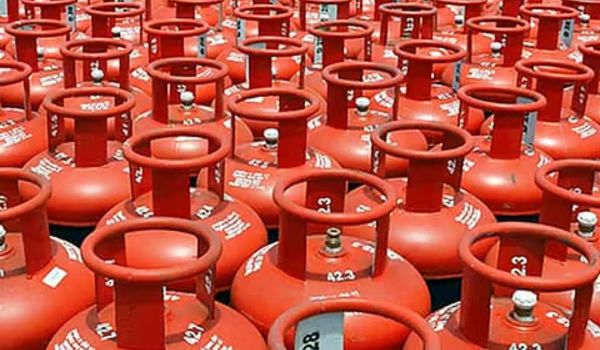
LPG Price Support
Among fossil fuel subsidies, LPG support remains the largest at ₹71,718 crore (USD 8.4 billion). With global price volatility, the government absorbs spikes to protect households, but this dependence tightens fiscal space and exposes India to external shocks.
Clean Energy Incentives
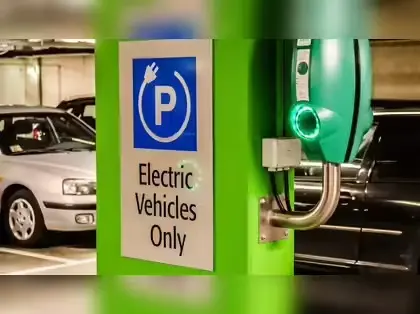
Clean energy subsidies—covering renewables and electric vehicles—represent only 10% of total energy subsidies. While expanding, they remain overshadowed by fossil fuel support. Shifting financial backing toward renewables and EVs is crucial for long-term energy independence.
Diversification And Domestic Capacity
India has broadened its crude sourcing base from 27 countries to 40, increased ethanol blending in petrol to 20%, and launched biogas initiatives to reduce import dependence. These small but strategic steps strengthen resilience against geopolitical disruptions.
Balancing Transition And Stability
Budget 2026 emphasizes grid modernization, hybrid power systems, and energy storage. Policymakers stress that the transition must be gradual—retiring outdated plants while expanding renewable capacity—to avoid supply gaps and cost spikes.
Key Highlights
• Electricity subsidies form 58% of India’s energy support, straining fiscal space
• LPG subsidies absorb global price shocks but deepen import dependence
• Clean energy incentives remain just 10% of total subsidies
• Crude sourcing diversified from 27 to 40 countries; ethanol blending at 20%
• Budget 2026 focuses on grid upgrades, hybrid systems, and energy storage
Sources: International Institute for Sustainable Development, ET EnergyWorld, Jakson Group