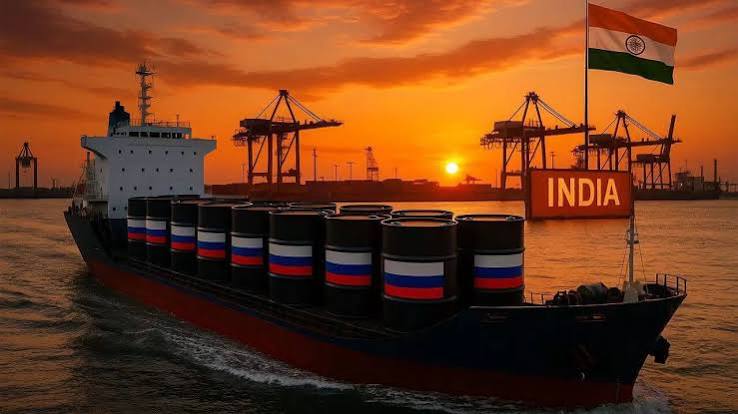
India's trade deficit widened to $30.43 billion in June 2026, as a surge in petroleum imports to $19.33 billion outpaced export growth. Despite robust performance in engineering and electronics shipments, the higher cost of crude and essential commodity imports dominated the monthly trade landscape, prompting ongoing government scrutiny of foreign exchange outgo.
NEW DELHI – India’s merchandise trade deficit widened significantly in June 2026, driven by a surge in inbound shipments of petroleum, crude, and related products, according to data released by the Ministry of Commerce and Industry on Monday. Total merchandise imports climbed to $70.84 billion during the month, a nearly 31% increase compared to the same period last year.
The data highlights a challenging trade environment, with petroleum and crude products accounting for a substantial portion of the import bill at $19.33 billion for June. This spike, coupled with steady demand for electronic goods and machinery, pushed the merchandise trade deficit to $30.43 billion, compared with $19.10 billion in June 2025.
Petroleum and Gold Imports: Key Drivers
The rise in India’s import bill is largely attributed to the volatility in global energy markets and high domestic consumption. Petroleum, crude, and its derivatives remain the largest component of India's import basket. For the April-June quarter, the import value of these products surged to $60.62 billion, up from $41.35 billion during the corresponding period last year.
Meanwhile, gold imports, which are closely monitored by policymakers due to their impact on foreign exchange reserves, were recorded at $1.97 billion in June. This comes amid a broader government push to moderate gold consumption through duty hikes, which were raised to 15% in May 2026. While official gold imports have seen fluctuations, the government continues to prioritize foreign exchange expenditure toward essential industrial raw materials and capital goods to support food security and economic activity.
Impact on the Wider Economy
The widening trade deficit presents a complex landscape for the Indian economy. While strong growth in engineering goods, petroleum product exports, and electronic goods—which rose 15.5% year-on-year to $40.41 billion—demonstrates the resilience of the manufacturing sector, the rapid pace of import growth exerts pressure on the current account.
For businesses and investors, the data underscores the necessity of balancing export-led growth with import management. Government officials have noted that the ongoing geopolitical uncertainties in West Asia continue to impact global supply chains, influencing both the price and availability of crude oil, which remains a critical variable for India's trade balance.
Official Sources
The trade statistics were formally released by the Ministry of Commerce and Industry through the Press Information Bureau. Provisional estimates are compiled based on customs and port data to provide a snapshot of India’s monthly trade performance.
Quote Section
According to officials, the government is closely monitoring the trade gap and remains committed to promoting "Make in India" initiatives to enhance the competitiveness of domestic manufacturing. Organizers stated that the focus remains on prioritizing foreign exchange expenditure for essential commodities and capital goods that directly bolster national economic stability.
Why It Matters
The trade deficit is a critical indicator of economic health, affecting everything from currency stability to inflation. For the average consumer and investor, these figures illustrate the direct impact of global energy prices on the Indian economy. As India seeks to maintain its status as a fast-growing major economy, managing the balance between necessary industrial imports and high-value exports remains a primary policy challenge.
Key Facts at a Glance
Merchandise Imports: Rose to $70.84 billion in June 2026, a 31% year-on-year increase.
Petroleum Imports: Total imports of petroleum, crude, and products reached $19.33 billion in June.
Gold Imports: Inbound shipments of gold were valued at $1.97 billion during the month.
Trade Deficit: The merchandise trade deficit widened to $30.43 billion, compared with $19.10 billion a year ago.
Export Growth: Merchandise exports grew 15.5% to $40.41 billion, led by engineering and electronic goods.
FAQ
Why has India’s trade deficit widened in June?
The deficit widened primarily due to a sharp 31% increase in merchandise imports, led by high costs for petroleum and crude products.
How is the government addressing gold imports?
The government has implemented several measures, including raising customs duty to 15% in May 2026 and consumer-focused austerity messaging, to conserve foreign exchange.
What are the primary exports driving growth?
India's export momentum is being led by engineering goods, electronic goods, and refined petroleum products.
How do West Asia uncertainties affect India’s trade?
Geopolitical tensions in West Asia impact global crude oil prices and supply chain logistics, which directly inflate India’s petroleum import bill.
Source: Ministry of Commerce and Industry, Press Information Bureau