BRS Capital Two Pte. Limited has filed an NCLT petition seeking a stay on a postal ballot issued by Max Healthcare’s subsidiary, Kalinga Hospital. The filing aims to block adjustments to the unit's corporate borrowing limits, intensifying an ongoing legal battle over minority shareholder rights and asset control.
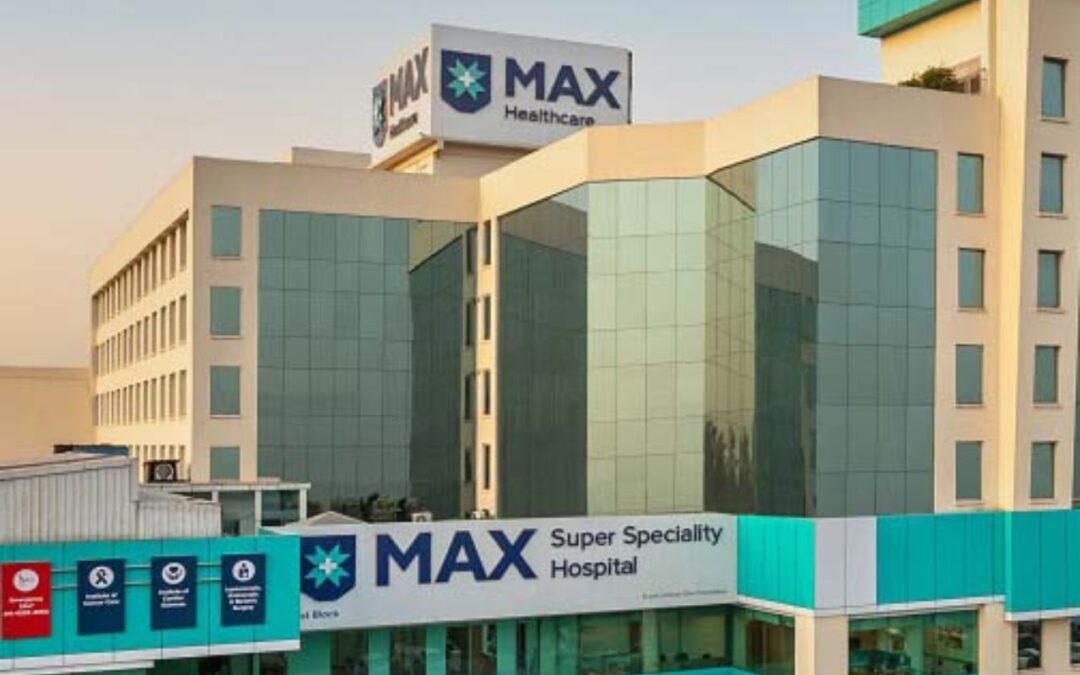
NEW DELHI — In a major escalation of an ongoing shareholder dispute, Singapore-based investment firm BRS Capital Two Pte. Limited has filed a fresh petition before the National Company Law Tribunal (NCLT) seeking an immediate stay on a postal ballot issued by Kalinga Hospital Limited (KHL), a newly acquired subsidiary of Max Healthcare Institute Limited.
The legal challenge targets a specific corporate resolution presented to shareholders via the postal ballot mechanism, which aims to enhance the company's internal borrowing thresholds and secure debt lines for upcoming expansions. This development intensifies the friction surrounding the corporate governance and asset control of the Odisha-based healthcare provider, following Max Healthcare’s acquisition of a majority stake in the company earlier this year.
Core Dispute Intensifies Over Kalinga Hospital Management
The friction between BRS Capital Two Pte. Limited and the new corporate management stems directly from a major change in control that occurred on May 18, 2026. During that transaction, Max Healthcare Institute Limited successfully wrapped up the acquisition of a 58.28% controlling equity stake in Kalinga Hospital Limited for an aggregate consideration of ₹298 crore, a move designed to rapidly scale its medical infrastructure footprint into Eastern India.
BRS Capital, an institutional minority shareholder within the Kalinga Hospital corporate structure, strongly objected to the operational transition. Shortly after the share acquisition was formally completed, the Singaporean fund moved the NCLT Cuttack Bench, filing an initial legal petition under Sections 241 and 242 of the Companies Act, 2013. That original filing alleged systemic oppression of minority stockholders and operational mismanagement of KHL's corporate affairs.
The current petition marks a targeted legal strike against a specialized postal ballot notice circulated to investors. The resolution under scrutiny seeks shareholder authorization to expand the board's structural borrowing limits under Section 180(1)(c) of the Companies Act, 2013, alongside the parallel creation of asset charges to secure those debt agreements under Section 180(1)(a). BRS Capital asserts that allowing the unit to implement higher credit boundaries while the broader ownership structure remains heavily contested in court could permanently alter the capital configuration of the hospital asset without proper consensus.
Technical Merits of the Stay Petition Before the Tribunal
Legal representatives acting on behalf of the petitioner emphasize that elevating borrowing thresholds through an active postal ballot gives the newly appointed majority board the power to place substantial mortgage liens on the hospital's fixed assets and land parcels. Under the provisions of the Companies Act, a special resolution passed via a standard postal ballot requires a 75% voting approval rate to become legally binding.
Because Max Healthcare currently commands an absolute 58.28% majority block, it needs to convince only a minor fraction of the remaining public and institutional share base to clear the resolution, giving it a clear advantage over the objections of historical minority founders.
The petitioners claim that changing credit capacities mid-litigation undermines the core purpose of the ongoing oppression and mismanagement suit. They argue that if Kalinga Hospital enters into extensive debt agreements with financial institutions, the corporate entity faces potential balance sheet risks that could negatively impact its overall valuation and performance metrics.
Official Sources Section
Regulatory disclosures published on the National Stock Exchange of India (NSE) and the BSE Limited confirm that Max Healthcare is monitoring the litigation closely. Initial case logs maintained by the National Company Law Tribunal verify that the Cuttack Bench has previously directed both corporate factions to file concise written submissions regarding prior interim relief applications, keeping the wider case active on the tribunal's docket.
Quote Section
"According to officials tracking healthcare infrastructure litigation, the petition seeking an absolute stay on the postal ballot has been processed for active inclusion in upcoming cause lists. The primary objective is to preserve the current status quo of the company's debt profile until the main arguments concerning board restructuring and historical shareholder rights are fully addressed by the tribunal."
Why It Matters
The outcome of this NCLT petition carries direct practical implications across multiple economic layers:
For Investors: The legal challenge introduces temporary uncertainty regarding Max Healthcare’s immediate capital rollout speeds in Eastern India, a key factor that institutional desks watch closely when determining long-term equity valuations.
For Corporate Management: A potential tribunal-ordered freeze on borrowing capacity would prevent the hospital from utilizing bank credit lines to quickly purchase high-end medical machinery, execute structural expansions, or update existing facility wards.
For Minority Shareholders: The legal battle underscores the robust statutory protections available under Indian corporate law, showing how minority holders can use tribunals to scrutinize the decisions of majority-backed boards.
Key Facts at a Glance
Injunction Sought: BRS Capital has petitioned the NCLT for a formal stay on a postal ballot meant to raise a Max Healthcare unit's borrowing boundaries.
Underlying Asset: The dispute centers on Kalinga Hospital Limited, where Max Healthcare recently bought a 58.28% controlling interest for ₹298 crore.
Statutory Grounds: The original litigation alleges oppression and mismanagement of the company's affairs under Sections 241 and 242 of the Companies Act.
Financial Position: Max Healthcare's broader balance sheet remains healthy, with recent financial updates showing a solid 22% pattern of PAT expansion across its primary network.
Frequently Asked Questions (FAQ)
Q1: What is a postal ballot in Indian corporate governance?
A postal ballot allows a listed or unlisted company to collect shareholder votes electronically or by mail for key corporate resolutions, removing the need for investors to attend an in-person general meeting.
Q2: Why is BRS Capital opposing the update to the borrowing limits?
BRS Capital argues that letting the majority-backed board raise credit limits and place charges on assets mid-litigation could permanently change the company's capital setup before the tribunal can rule on the underlying mismanagement case.
Q3: Does this legal dispute impact the day-to-day operations of Max Healthcare’s main hospitals?
No. The NCLT case is focused strictly on its newly acquired regional subsidiary, Kalinga Hospital Limited, and does not alter the medical operations or financial status of Max Healthcare's primary hospital network.
Source: National Stock Exchange of India Corporate Archive, National Company Law Tribunal Registry Logs, Max Healthcare Institute Limited Investor Relations Filings.