Driven by an experiential shift among Gen Z and millennial consumers, India's organized live entertainment market has crossed the Rs 13,000-crore mark, according to a BookMyShow-EY Parthenon report. The boom spans stadium-scale commercial concerts to alcohol-free "bhajan clubbing" events, significantly boosting regional hospitality, corporate sponsorships, and music tourism nationwide.
MUMBAI — India’s organized live entertainment market has achieved a significant economic milestone, surging past a valuation of Rs 13,000 crore. Driven by a profound behavioral shift among younger demographics, particularly Gen Z and millennials, the domestic experience economy India is witnessing unprecedented growth across both commercial mega-concerts and newly formalized cultural gatherings.
The rapid financial expansion highlights a broader structural shift in consumer spending patterns across major Indian metropolitan areas and tier-2 cities. Industry experts note that traditional metrics of entertainment consumption are being rewritten as youth communities India prioritize real-world interaction, shared experiences, and identity-driven socialization over conventional retail or material purchases.
The Transformation of the India Live Events Economy
According to a comprehensive joint industry report released by BookMyShow and EY Parthenon, the live entertainment industry India has transitioned from a sporadic, niche sector into a highly organized, multi-billion-rupee ecosystem. The data indicates that the market's current valuation exceeds Rs 13,000 crore, reflecting robust year-on-year growth trajectory across ticket sales, brand sponsorships, and experiential marketing.
The concert economy India has emerged as a primary pillar of this fiscal boom. High-profile international acts and top-tier domestic artists are consistently selling out stadium-capacity venues within minutes, establishing India as a critical destination on global touring schedules. This live entertainment industry growth is further catalyzed by the formalization of logistical infrastructure, streamlined digital ticketing platforms, and heightened corporate investment in event sponsorships.
The Rise of Cultural and Devotional Experiences
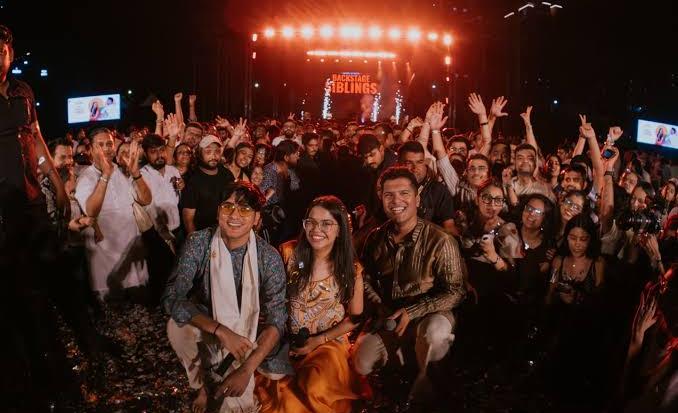
A distinct and unexpected facet of this economic surge is the mainstreaming of devotional music events, colloquially termed "bhajan clubbing". Traditional spiritual gatherings are being reimagined by event organizers, who fuse traditional hymns and cultural music with modern acoustic production, high-end lighting, and club-like venues.
This hybrid model has successfully engaged Gen Z spending trends, drawing thousands of young adults to alcohol-free, high-energy cultural events. Industry analysts point out that these gatherings provide the same community-driven, immersive atmosphere as commercial music festivals, but satisfy a growing demand among youth to connect deeply with cultural heritage and spirituality in contemporary settings.
Economic Impact and Music Tourism
The economic ramifications of this Rs 13,000-crore boom extend well beyond event venues, significantly impacting the broader hospitality, travel, and retail sectors. The phenomenon of music tourism India has escalated sharply, with major multi-day festivals drawing up to 30% or more of their total audience from outside the host cities.
This influx of interstate and international travelers generates substantial secondary revenue streams:
Hospitality and Accommodation: Increased occupancy rates and premium pricing for hotels located near major concert venues.
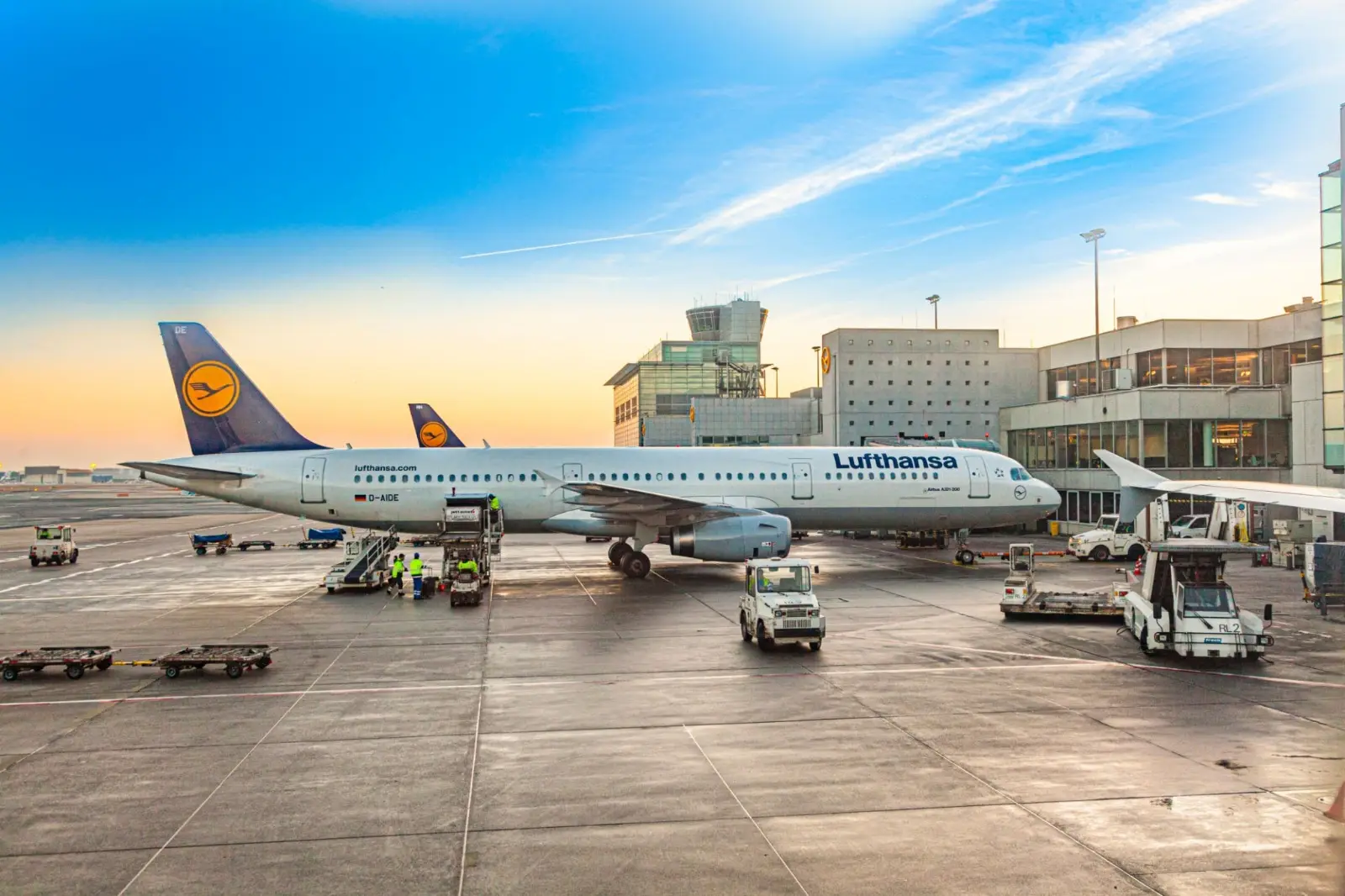
Airlines and Transport: A notable uptick in domestic flight bookings and regional transit usage surrounding key event weekends.
Local Economies: Heightened consumer spending at local restaurants, micro-breweries, and retail hubs by visiting festival attendees.
Furthermore, corporate entities are rapidly adjusting their promotional budgets to favor experiential marketing over traditional digital or television advertisements. Brands are paying premium rates to secure naming rights, interactive stalls, and exclusive lounges at live events, viewing them as high-yield opportunities to engage directly with an active, high-spending youth demographic.
Official Sources Section
The findings detailing the rapid growth, demographic participation, and market cap of the live entertainment space are compiled from official corporate assessments, market research data, and industry documentation:
Quote Section
"According to officials from leading live entertainment and ticketing platforms, consumer behavior in India has crossed a critical threshold. The youth demographic is no longer just looking to consume content passively online; they are actively allocating a substantial portion of their disposable income toward securing shared, real-world memories."
"Organizers stated that the rapid diversification of events—ranging from international pop stadium tours to curated, sober devotional music gatherings—proves that the Indian experience economy is uniquely adaptable, highly lucrative, and deeply rooted in localized cultural preferences."
Why It Matters
For investors, the formalization and multi-fold scaling of India’s live event ecosystem signals a mature market ripe for long-term venture capital and corporate partnerships. For consumers and citizens, it marks the democratization of world-class entertainment infrastructure within the country, offering a broader spectrum of lifestyle, community, and recreational choices than ever before.
Key Facts at a Glance
Market Cap: India’s organized live entertainment industry is officially valued at over Rs 13,000 crore.
Demographic Catalyst: The ongoing boom is fundamentally propelled by Gen Z and millennial consumers prioritizing real-world experiences over material possessions.
Trend Diversification: Growth is visible across diverse sectors, balancing high-profile international music concerts with modernized, sober "bhajan clubbing" events.
Economic Ripple Effect: The market expansion actively stimulates secondary sectors, driving massive revenues into regional tourism, aviation, local hospitality, and experiential marketing channels.
FAQ Section
Q: What is driving the sudden growth in India's live events economy?
A: The primary driver is the rapid expansion of the experience economy, particularly among Gen Z and millennial demographics who prefer spending disposable income on live, shareable, and community-centric events rather than traditional retail goods.
Q: What exactly is "bhajan clubbing"?
A: It refers to a rising cultural trend where traditional devotional music and spiritual hymns are hosted in modern, experiential event formats, utilizing club-style acoustics, high-end production values, and sober environments to engage younger audiences.
Q: Which sectors benefit the most from the music tourism phenomenon?
A: Major live events trigger a significant economic ripple effect, directly boosting revenues for the hospitality industry (hotels and homestays), transport sectors (airlines and local cabs), food and beverage businesses, and corporate experiential marketing agencies.
Source: BookMyShow Official Platform, EY Parthenon India Reports.