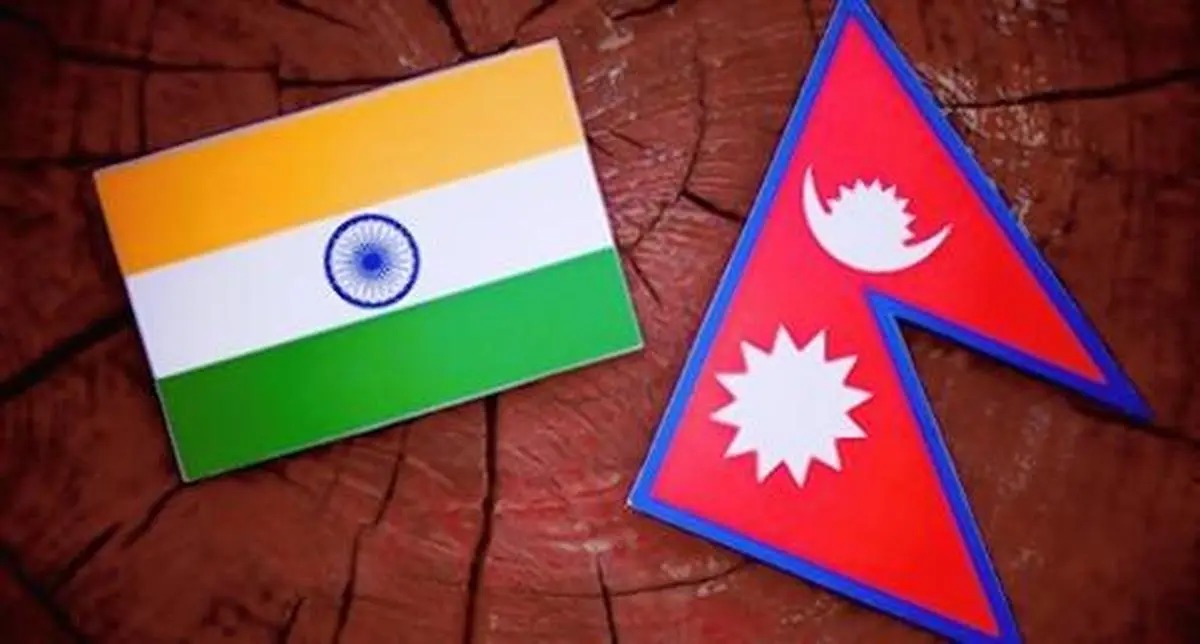
India and Nepal successfully concluded high-level Joint Working Group and Project Steering Committee meetings in Kathmandu to accelerate cross-border railway links. The talks advanced operational plans for the Jaynagar-Bardibas and Jogbani-Biratnagar broad-gauge lines, finalized passenger train frameworks for the Janakpur-Ayodhya section, and evaluated the Raxaul-Kathmandu technical survey reports.
In a major push to strengthen subcontinental transit networks, high-level diplomatic and technical delegations from India and Nepal concluded the 10th Project Steering Committee (PSC) and the 8th Joint Working Group (JWG) meetings on June 12, 2026. The bilateral discussions, spanning two days in Kathmandu, focused exclusively on expanding cross-border railway links and cementing overall technical cooperation in the railway sector.
According to a formal press statement released by the Indian Embassy in Nepal on June 13, 2026, the bilateral panel thoroughly evaluated the operational status of ongoing broad-gauge lines. These critical connectivity projects are currently being developed under the Government of India’s economic grant assistance programs, aiming to transform regional logistics and passenger transit between the neighboring nations.
Progress Monitored on Key Cross-Border Railway Links
The primary technical focus of the Joint Working Group centered on the execution of two major cross-border transit corridors: the Jaynagar-Bijalpura-Bardibas rail link and the Jogbani-Biratnagar broad-gauge line. Officials carefully reviewed the operational updates of functioning segments and analyzed the construction readiness for the remaining phases.
The ongoing conversion to broad-gauge infrastructure remains crucial for heavy freight transit. Currently, Phase 1 of the Jaynagar project is fully operational up to Kurtha, while construction on subsequent legs toward Bardibas continues to receive prioritization. The Ministry of Physical Infrastructure and Transport of Nepal assured the Indian delegation of prompt regulatory clearances, particularly concerning land acquisition and local environmental assessments, to avoid execution delays.
Technical Surveys and Religious Tourism Corridors Advanced
A significant milestone during the bilateral talks was the review of the Final Location Survey (FLS) report for the highly anticipated Raxaul-Kathmandu Broad Gauge Railway Link. This proposed transit network is expected to connect the Indian border directly to Nepal’s capital city, radically cutting travel times for commercial goods.
Furthermore, delegations finalized the Standard Operating Procedures (SOPs) required to begin passenger train services along the critical Janakpur-Ayodhya section. This targeted route holds substantial cultural weight, linking prominent spiritual hubs in both countries. Additionally, the Indian delegation pledged comprehensive technical support for Nepal's domestic East-West Railway Link, offering engineering expertise from Indian public sector rail enterprises.
Impact on Regional Trade and Daily Commuters
The institutional scaling of cross-border railway links directly serves the millions of citizens living along the open frontier. By replacing slower road transport with broad-gauge rail networks, regional businesses can expect a sharp decline in import-export logistical costs.
For travelers and daily laborers, the formalized rail links offer affordable, safe, and regulated transport. The operationalization of these routes is designed to complement parallel financial modernization efforts, such as the newly active [suspicious link removed] and National Payments Interface (NPI) cross-border remittance architecture launched earlier this month, establishing a seamless economic corridor.
Statements from Official Delegations
The international meetings featured senior technical and diplomatic leaders from both South Asian neighbors, building upon preliminary frameworks established during previous sit-downs in New Delhi.
"According to officials from the Indian Embassy in Kathmandu, both sides have explicitly agreed to maintain close, continuous engagement across their technical departments. This cooperative momentum is vital to resolving engineering obstacles swiftly and further strengthening the strategic partnership in the subcontinental railway sector."
"Organizers stated that the timely execution of these transport projects remains a top priority for the mutual growth of both economies, ensuring that physical connectivity effectively mirrors the deep-rooted socio-economic ties shared by the two nations."
Why It Matters
The modernization of cross-border railway links alters the geopolitical and economic reality of landlinked Nepal by establishing high-capacity, direct access to Indian maritime ports. For multinational investors and local trading houses, this infrastructural evolution guarantees highly predictable supply chains. On a civic level, these railway connections dramatically boost religious and bilateral tourism, lowering travel costs while generating localized employment at newly operational transit terminals.
Key Facts at a Glance
Bilateral Context: India and Nepal successfully concluded the 8th Joint Working Group (JWG) and 10th Project Steering Committee (PSC) meetings in Kathmandu.
Core Projects: High-level review focused on the Jaynagar-Bijalpura-Bardibas and Jogbani-Biratnagar broad-gauge lines.
Tourism Expansion: Standard Operating Procedures were cleared for launching passenger train services on the Janakpur-Ayodhya section.
Capital Connection: The panel advanced the Final Location Survey (FLS) report for the planned Raxaul-Kathmandu broad-gauge line.
Frequently Asked Questions
What was the main purpose of the India-Nepal Joint Working Group meeting?
The Joint Working Group met to evaluate the construction progress of ongoing cross-border railway links, resolve engineering bottlenecks, and establish standardized operating guidelines for new passenger and cargo train services.
Which specific cross-border railway links are being constructed?
The primary projects include the Jaynagar-Bijalpura-Bardibas line and the Jogbani-Biratnagar broad-gauge line. Both are being executed via dedicated grant assistance provided by the Government of India.
How will the Janakpur-Ayodhya rail section impact citizens?
The section establishes a direct transit route designed to facilitate seamless travel between major cultural and religious landmarks, dramatically boosting cross-border tourism and local economic hospitality sectors.
What is the status of the Raxaul-Kathmandu railway line?
The technical teams have successfully reviewed the Final Location Survey (FLS) report, clearing the path for deeper administrative planning and structural layout finalization for the strategic direct route to Nepal's capital.
Source: Official bilateral briefing documentation issued by the Embassy of India, Kathmandu, project status briefs from the National Stock Exchange listed construction partners, and regional monitoring data provided by the Ministry of External Affairs (MEA), India.