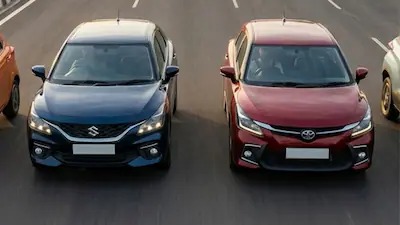
Automakers have expanded factory-fitted cruise control into the sub-₹10 lakh budget car segment to meet the rising demand for comfortable long-distance travel. Models like the Tata Tiago, Tata Punch, Hyundai Grand i10 Nios, Tata Altroz, and Toyota Glanza now offer this feature in accessible mid-to-high trims, helping optimize highway fuel efficiency and reduce driver fatigue.
Automakers in India are increasingly equipping entry-level and compact passenger vehicles with premium driver-assist amenities, traditional tracking data shows. According to recent manufacturing inventory logs and dealership specifications published in June 2026, original equipment manufacturers (OEMs) have integrated cruise control systems into vehicles positioned well below the ₹10 lakh price threshold. This development serves a rising consumer preference for highway-capable long-distance cruisers, allowing budget-conscious buyers to reduce driver fatigue during extended interstate journeys.
Historically reserved for premium sedans and mid-size SUVs, the democratization of cruise control stems from aggressive market competition and rapid infrastructure expansion. As high-speed national expressways expand cross-country connectivity, automated speed management has transitioned from an aspirational luxury to a baseline consumer necessity.
1. Tata Tiago (XZ Plus Variant)
According to official retail specifications released by Tata Motors, the Tata Tiago remains the most affordable passenger vehicle in the country to offer a factory-fitted cruise control system. The feature is packaged exclusively within its top-spec XZ Plus trim.
Powertrain Architecture: The hatchback utilizes a 1.2-litre, three-cylinder Revotron naturally aspirated petrol engine, generating 86 PS of power and 113 Nm of maximum torque.
Highway Utility: Combined with an entry-level ex-showroom starting price hovering around ₹7.30 lakh for the cruise-equipped trim, it represents a highly economical entry point for highway commuters seeking steady throttle modulation.
2. Tata Punch (Pure Plus Trim and Above)
As confirmed by national automotive distribution ledgers, the Tata Punch micro-SUV provides the widest range of options for entry-level buyers seeking speed-stabilization technology. The feature becomes standard starting from its mid-tier Pure Plus variant.
Structural Advantages: Boasting a notable 187 mm ground clearance and a 5-star adult occupant safety rating from Global NCAP structural tests, the Punch pairs its highway speed management with physical stability on rough terrains.
Mechanical Profile: It mirrors the 1.2-litre petrol powertrain configuration found in the Tiago, while also offering alternative factory-fitted bi-fuel CNG variants for long-distance commuters looking to optimize fuel costs.
3. Hyundai Grand i10 Nios (Sportz Trim)
Data from Hyundai Motor India’s official variant catalogs indicates that the South Korean automaker has pushed cruise control accessibility down to its mid-range Sportz variant.
Cabin Refinement: The Grand i10 Nios is recognized for its low NVH (noise, vibration, and harshness) levels, making it a competitive choice for extended asphalt driving.
Performance Metrics: Powered by a 1.2-litre Kappa four-cylinder petrol engine, it outputs 83 PS and 113.8 Nm of torque. The cruise control mechanism can be operated via standard steering-wheel-mounted buttons, allowing the driver to smoothly adjust cruising speeds in 1 km/h increments.
4. Tata Altroz (Pure S Variant and Above)
According to product brochures from Tata Motors' premium passenger vehicle division, the Tata Altroz stands as a distinct high-efficiency entry in the sub-₹10 lakh spectrum, functioning as the primary vehicle in this price range to offer a highway speed-maintenance system paired with multiple engine configurations.
Safety and Dynamics: Built on the ALFA architecture, this premium hatchback features a verified 5-star safety rating and stable high-speed manners.
Powertrain Options: The cruise system is available starting from the value-focused Pure S variant. Buyers can configure this feature alongside either a standard petrol engine, an eco-focused bi-fuel CNG system, or a high-torque 1.5-litre turbocharged diesel engine designed for heavy long-distance driving.
5. Toyota Glanza (Top-Spec V Variant)
Product distribution details supplied by Toyota Kirloskar Motor confirm that the brand offers a reliable long-distance cruising package through its premium hatchback, the Toyota Glanza, with the feature arriving exclusively in its top-tier V trim.
Mechanical Integrity: The vehicle is powered by an advanced 1.2-litre K-Series dual-jet petrol engine, delivering 90 PS of power and 113 Nm of torque.
Long-Term Value: While its price point sits near the upper limit of the budget segment at approximately ₹9.12 lakh ex-showroom, the inclusion of cruise control is complemented by a premium cabin layout and Toyota’s extended long-term powertrain warranty packages.
Impact on Commuters, Fleet Operations, and Retail Markets
The wider availability of budget cars with cruise control has fundamentally altered buying patterns in the automotive industry. For daily highway commuters and inter-city travelers, automated electronic throttle regulation actively mitigates foot ankle strain over multi-hour journeys. This technology prevents accidental speeding violations on radar-enforced expressways by maintaining a precise, pre-selected velocity limit.
From a commercial perspective, automotive fleet managers and regional car rental businesses are increasingly choosing mid-tier vehicle variants equipped with cruise systems. Maintaining a constant engine RPM over long distances prevents unnecessary fuel consumption caused by erratic manual acceleration, translating to noticeable improvements in fleet fuel efficiency.
Consequently, manufacturing analysts indicate that automakers are shifting engineering resources to prioritize these digital features over older cosmetic enhancements like chrome trims, directly aligning production with modern consumer priorities.
Official Sources Section
The pricing tiers, variant availability, and technical engine configurations listed within this journalistic report are compiled directly from public corporate documentations:
Quote Section
"According to officials from major regional dealership associations, consumer queries regarding steering-mounted highway controls in vehicles priced under ₹8 lakh have risen by more than 45 percent over the past two years."
"Manufacturers stated that the deliberate introduction of driver-assist systems into mid-spec vehicle variants is a targeted response to India's rapidly modernizing highway network, which demands sustained, uniform speed management."
Why It Matters
The inclusion of cruise control in budget cars marks a shift where practical driving aids take priority over basic aesthetics in entry-level vehicles. By allowing budget-conscious drivers to maintain steady highway speeds safely, this feature helps bridge the comfort gap between premium cars and mass-market hatchbacks. This evolution supports safer, more efficient driving habits across India's rapidly growing expressway networks.
Key Facts at a Glance
Price Accessibility: Factory-fitted cruise control systems are now available in passenger vehicles starting well under an ex-showroom price of ₹7.50 lakh.
Most Affordable Model: The Tata Tiago XZ Plus variant maintains its position as the lowest-priced vehicle in the market to include this feature.
Diverse Engine Choices: Drivers can access cruise systems across naturally aspirated petrol, turbocharged diesel, and factory-fitted bi-fuel CNG models.
Lower Variant Adoption: Car manufacturers are shifting the feature down from premium trims to mid-spec versions like the Hyundai Sportz and Tata Pure Plus levels.
Frequently Asked Questions
Can cruise control be retrofitted safely into base-model budget cars?
No. Standard automotive engineering bodies advise against aftermarket installations. Factory-fitted cruise control systems require deep integration with the vehicle's electronic throttle body, engine control unit (ECU), and steering safety linkages.
Does using cruise control on the highway improve a budget car's fuel efficiency?
Yes. By maintaining a uniform speed and eliminating the frequent, uneven acceleration common with manual foot inputs, the system optimizes fuel consumption on flat expressway surfaces.
Is cruise control useful in heavy city traffic conditions?
No. Traditional cruise control systems require open, predictable stretches of road and are designed to disengage the moment the driver presses the brake or clutch pedal. For stop-and-go city traffic, advanced adaptive cruise control (ACC) frameworks are required.
Which budget car provides a diesel engine option alongside cruise control?
The Tata Altroz stands as the only premium hatchback in the sub-₹10 lakh pricing category to offer a 1.5-litre turbocharged diesel engine option equipped with a cruise control system.
Source: Tata Motors India, Hyundai Motor India, Toyota Kirloskar Motor.