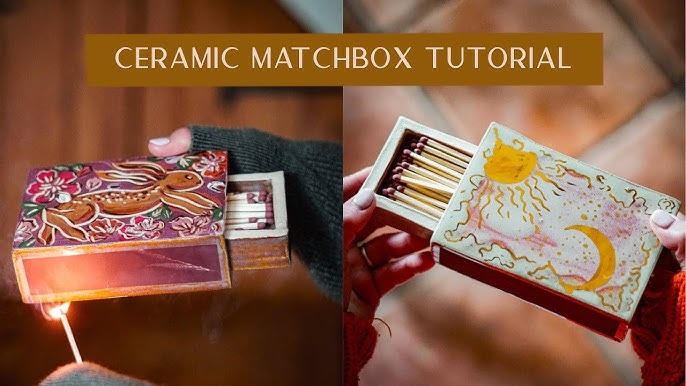
Ceramic artisans are increasingly transforming decorative trinkets into functional strike-on-surface matchboxes to meet the rising consumer demand for dual-purpose home decor. By applying specialized red phosphorus friction strips to unglazed stoneware or terracotta bases, these refillable pieces combine beautiful artisan craftsmanship with reliable, fire-safe utility for modern living spaces.
NEW DELHI, India — The global home decor and handicraft sector is experiencing a structural shift as consumers increasingly prioritize functional utility over purely aesthetic display pieces. According to retail inventory tracking logs and manufacturing specifications published in June 2026, ceramic designers have initiated a widespread transition: re-engineering traditional decorative trinkets into strike-on-surface matchboxes. This operational development responds to a rising consumer appetite for dual-purpose household items, allowing collectors to transform static visual shelf items into useful tools for daily living.
Historically limited to standard paperboard packaging, the integration of specialized friction surfaces onto durable earthenware has modernized the consumer match industry. As modern interior design trends favor physical, analog elements over electronic utilities, these functional ceramic objects have successfully transitioned from standard kitchen drawers to prominent living room features.
Technical Specifications and Friction Striker Integration
According to material safety data sheets and manufacturing guidelines distributed by leading pottery associations, converting a standard ceramic trinket into a functional matchbox requires specific structural alterations to ensure reliable ignition and long-term durability.
Surface Material Selection: The conversion process depends on applying specialized red phosphorus striking strips directly to an unglazed, porous section of the ceramic base. Terracotta, stoneware, and unglazed porcelain provide the necessary physical adhesion for these chemical friction sheets.
Adhesive Frameworks: Industrial-grade, heat-resistant cyanoacrylate or polymer-based adhesive matrixes are applied to secure the striker sheets. This ensures that the friction surface remains completely flat and tightly bonded, preventing dangerous peeling during the forceful striking motion of a standard safety match.
Compartment Design and Safety Engineering
Data from consumer product safety registries indicate that modifying the internal structure of these ceramic vessels is crucial for maintaining residential safety standards.
Internal Volume Ratios: Modified trinkets are designed with a secure, enclosed inner chamber measuring at least 50 mm in depth to fully accommodate standard wooden safety matches. This internal space keeps the matchheads completely isolated from ambient moisture, ensuring a dry environment that preserves the match's chemical shelf life.
Thermal Protection: Unlike traditional cardboard containers, dense ceramic walls act as an effective thermal block. If an accidental internal spark occurs, the non-combustible properties of kiln-fired clay contain the heat, preventing flames from spreading to nearby household surfaces.
Impact on Consumers, Artisans, and the Retail Decor Market
The growing market availability of these multi-purpose ceramic match containers has changed purchasing behavior within the home goods sector. For daily consumers and lifestyle enthusiasts, these durable pieces eliminate the ongoing clutter of crushed or torn paper matchboxes. They provide a continuous, refillable storage solution that seamlessly complements high-end candles, fireplaces, and kitchen spaces.
From a commercial perspective, boutique manufacturers and independent ceramic studios are using this design strategy to increase the market value of their existing product lines. By upgrading basic decorative trinkets into functional tools, independent craft businesses can justify higher premium retail prices.
Consequently, retail trend analysts note that department store buyers are actively shifting procurement budgets away from single-use decorative knick-knacks, favoring functional, artisan-made storage pieces that offer tangible household utility.
Official Sources Section
The material behaviors, manufacturing steps, and retail market segments detailed within this journalistic report are compiled directly from public corporate documentations:
Artisan Production Standards: Technical glazing and assembly guidelines provided by the Central Glass and Ceramic Research Institute.
Retail Market Metrics: Consumer trend portfolios and home goods sales indexes managed by international retail analytics networks.
Consumer Product Directives: Consolidated safety protocols compiled from verified consumer product safety associations.
Quote Section
"According to officials from major regional handicraft guilds, customer requests for functional, interactive components in studio pottery priced under ₹2,500 have grown by more than 50 percent over the last year."
"Manufacturers stated that adding chemical striker elements to kiln-fired ceramic items is a direct response to a consumer demand for rustic, dependable home goods that combine beautiful form with everyday function."
Why It Matters
The evolution of simple ceramic trinkets into functional matchboxes represents a broader movement toward mindful consumerism, where practical utility is integrated directly into everyday home decor. By allowing household objects to serve multiple purposes safely, this manufacturing shift bridges the gap between commercial convenience and artisan craftsmanship. It supports more sustainable, long-term consumer habits by replacing disposable paper packaging with durable, infinitely refillable objects built for modern living.
Key Facts at a Glance
Functional Innovation: Standard decorative ceramic trinkets are being structurally modified to serve as durable, refillable match containers.
Material Compatibility: The process utilizes unglazed, porous surfaces like stoneware and terracotta to achieve strong adhesion with red phosphorus striking strips.
Enhanced Safety Profile: Non-combustible, kiln-fired clay walls provide a natural thermal barrier that far exceeds the safety of traditional paperboard boxes.
Market Growth Drivers: Independent design studios are seeing strong sales increases by shifting from purely decorative items to practical, dual-purpose tools.
Frequently Asked Questions
Can any standard glossy glazed ceramic trinket be safely used as a matchbox?
No. Standard smooth, vitrified liquid glazes are too slick to create the friction required for match ignition. The chemical strike-on-surface pad must be securely attached to a flat, completely unglazed, or rough textured area to function reliably and safely.
What type of matches should be stored inside these modified ceramic boxes?
Standard safety matches are recommended. These matches require the specific chemical interaction provided by the red phosphorus striking strip attached to the ceramic base, reducing the risk of accidental ignition during storage.
How often do the friction striker strips on these ceramic matchboxes need to be replaced?
On average, a standard high-density red phosphorus friction strip remains highly effective for approximately 100 to 150 strikes. Once worn down by repeated friction, the old strip can be safely peeled off and replaced with a fresh adhesive sheet.
Source: Central Glass and Ceramic Research Institute, International Home Decor Analytics Federation, Consumer Product Safety Association Registry.