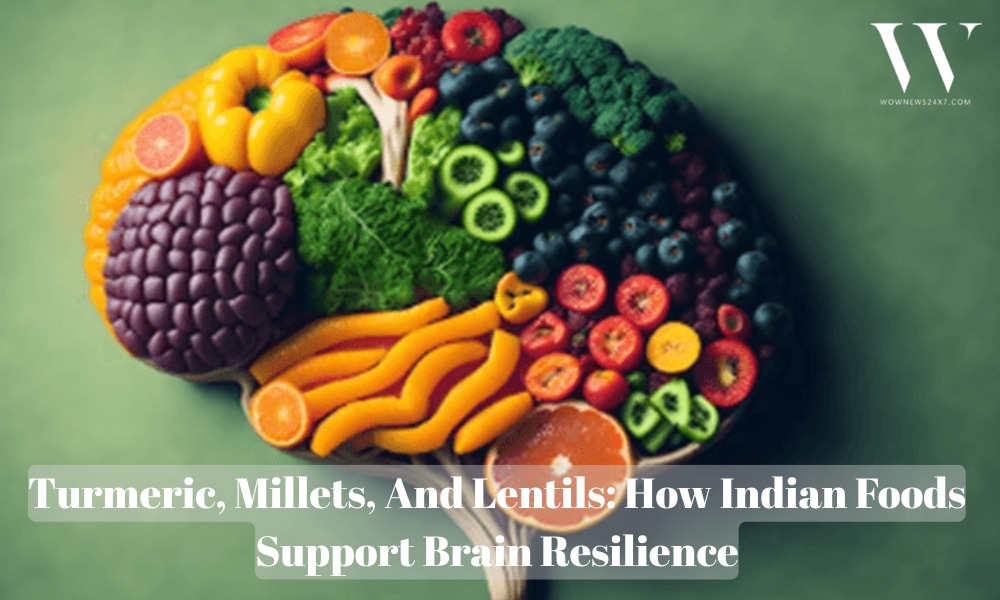
Neurosurgeons clarify that while traditional Indian foods rich in antioxidants, whole grains, and anti-inflammatory spices support overall cellular health and the gut-brain axis, they cannot prevent or cure brain tumours. Primary neurological tumours are driven by genetics and radiation, making standard medical treatments irreplaceable for effective patient care.
Amid growing interest in the therapeutic potential of traditional diets, prominent neurosurgeons have clarified the scientific relationship between everyday Indian foods and brain tumour prevention. Medical experts emphasize that while the diverse components of a standard Indian thali support systemic immune health and reduce cellular inflammation, no specific food item can structurally prevent or cure brain tumours. Brain tumours—whether non-cancerous (benign) or aggressively cancerous (malignant)—primarily stem from genetic mutations, biological abnormalities, and exposure to ionizing radiation rather than dietary choices. However, data indicates that the plant compounds, essential fatty acids, and whole grains common in Indian regional cuisines actively shape an internal cellular environment that resists oxidative stress and chronic inflammation.
The Biological Reality: Genetics and Radiation Overrides Diet
Neurological specialists state that misconceptions regarding diet and brain neoplasms (abnormal tissue growths) often stem from a misunderstanding of cancer development. According to clinical profiles managed by major health institutions, brain tumours develop independently of standard lifestyle factors that typically drive gastrointestinal or metabolic cancers.
A traditional diet cannot act as an absolute shield against cellular mutations in the central nervous system. Instead, the real utility of a balanced diet lies in its ability to limit chronic systemic low-grade inflammation, control oxidative stress, and minimize DNA damage over time. By managing these underlying biological triggers, the body is better equipped to maintain cellular health, though the absolute risk of a primary brain tumor remains tied to unalterable genetic factors and external radiation.
Nutritional Anatomy of the Indian Thali
The standard Indian meal incorporates multiple food groups that neurosurgeons and oncologists recognize as highly beneficial for overall neurological resilience and post-surgical recovery.
Anti-Inflammatory Spices and Polymeric Herbs
Traditional Indian cooking utilizes base ingredients that carry high concentrations of bioactive compounds. Spices such as turmeric (haldi) contain curcumin, which is extensively studied for its anti-inflammatory properties. Similarly, fenugreek (methi) and garlic are rich in polyphenols—plant-based antioxidants that help neutralize unstable free radical molecules capable of damaging healthy brain cells.
The Gut-Brain Axis and Whole Grains
The Indian thali frequently features diverse legumes (such as moong, masoor, and chana dal) alongside indigenous whole grains like finger millet (ragi), pearl millet (bajra), and sorghum (jowar). These complex carbohydrates supply prebiotic fibers that nourish the gut microbiome. Through the gut-brain axis—the bidirectional biochemical communication network linking the central nervous system and the gastrointestinal tract—a stable, healthy gut directly mitigates systemic inflammation that could otherwise compromise neural pathway health.
Omega-3 Fatty Acids and Micronutrients
Diets incorporating walnuts, seeds, and regional fish preparations (common across coastal Maharashtrian, Bengali, Goan, Odia, Kerala, and Konkani food cultures) deliver high levels of omega-3 fatty acids. These healthy fats help preserve brain cell membranes and promote optimal nerve signaling.
Official Sources Section
The clinical insights, dietary evaluations, and neuro-oncological benchmarks presented in this report are based on formal medical assessments from the World Health Organization (WHO) Cancer Principles and peer-reviewed oncological data from the National Center for Biotechnology Information (NCBI).
Quote Section
"According to medical officials, no clinical trial has yet demonstrated that eating any specific food reduces the risk of developing brain cancer. While traditional ingredients support general cellular resilience and lower chronic inflammatory markers, they do not provide an absolute or definitive shield against primary neurological tumours."
Why It Matters
Understanding the boundary between dietary support and medical reality prevents patients from delaying essential clinical interventions in favor of unverified alternative therapies. While maintaining a nutrient-dense Indian diet optimizes surgical recovery, strengthens the immune system during radiation or chemotherapy, and reduces treatment-related fatigue, it must complement—not replace—standard medical protocols. For consumers, recognizing these facts highlights the long-term value of whole foods over highly processed alternatives containing artificial additives.
Key Facts at a Glance
No Direct Immunity: No scientific data or clinical trials prove any food can absolutely prevent or eliminate brain tumours.
Core Drivers: Genetics, DNA mutations, and exposure to ionizing radiation remain the primary causes of brain tumours.
Thali Benefits: Ingredients like turmeric, leafy greens, pulses, and millets lower systemic inflammation and support the gut-brain axis.
Clinical Purpose: Proper nutrition in neuro-oncology is designed to preserve muscle mass, support post-surgery healing, and boost immune defenses during active treatment.
FAQ Section
Can specific Indian spices like turmeric cure or shrink a brain tumour?
No. While curcumin in turmeric exhibits anti-inflammatory properties in laboratory settings, there is no clinical evidence showing that consuming it in food can shrink, treat, or cure a brain tumour in humans.
What are the verified risk factors for developing a brain tumour?
The most clearly established risk factors include a family history of genetic syndromes affecting the nervous system, inherited genetic mutations, and significant exposure to high-level ionizing radiation.
How does the gut-brain axis affect neurological health?
The gut-brain axis is a communication link between your gut microbiome and the central nervous system. A diet rich in fiber from lentils and whole grains promotes a healthy gut, which helps regulate systemic inflammation throughout the body, including the brain.
Source: National Center for Biotechnology Information Medical Reports, World Health Organization Neuro-Oncology Guidelines, Regional Dietary Association Studies 2026.