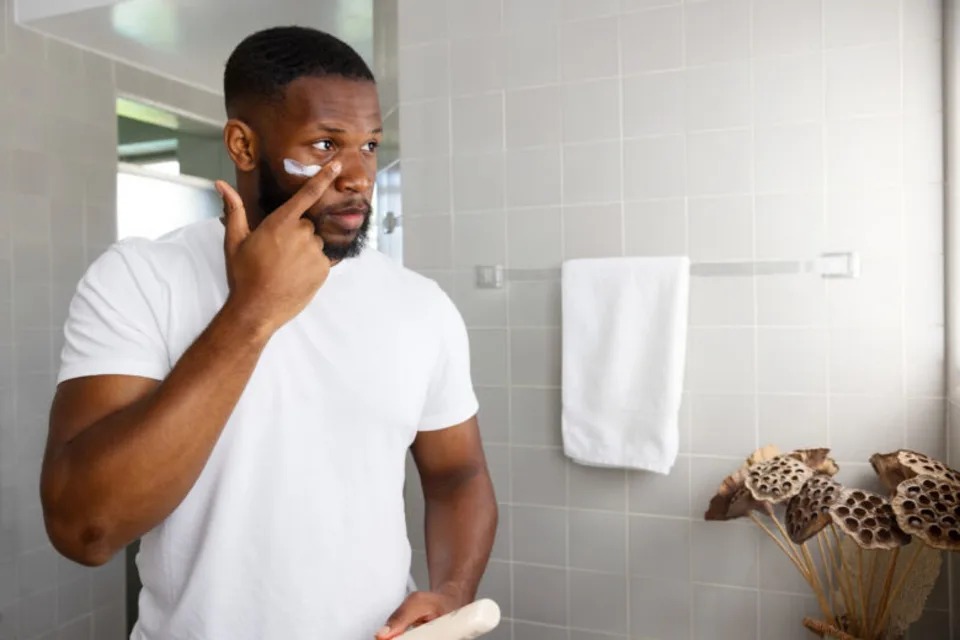
Dermatologists are shifting the focus of modern skincare from anti-aging cosmetic fixes to long-term skin longevity. By combining four essential topical products—mineral sunscreen, retinoids, niacinamide, and peptides—with healthy sleep and nutrition habits, individuals can successfully preserve their skin barrier, counter chronic inflammation, and maximize structural tissue resilience.
Modern clinical dermatology is undergoing a fundamental shift away from temporary cosmetic adjustments toward long-term biological resilience. Leading medical experts confirm that the primary goal of contemporary skincare is maximizing "skin span"—the chronological window during which human skin remains structurally intact, fully functional, and self-repairing. According to updated clinical statements from dermatological research institutions, achieving optimal skin longevity requires a strategic combination of science-backed topical formulas and everyday lifestyle adjustments. Rather than relying on multi-step routines that can overload the tissue, dermatologists are narrowing their public recommendations to four foundational core products that actively prevent cellular senescence (cell aging) and chronic low-grade inflammation, known clinically as "inflammaging."
The Shift to Restorative, Regenerative Skincare Science
As consumer awareness surrounding cellular biology advances, clinical practitioners are moving away from traditional, aggressive anti-aging procedures that temporarily smooth lines by causing controlled micro-injuries.
Data tracking from dermatological research networks shows that over-exfoliation and excessive product layering often damage the skin microbiome, leaving the face vulnerable to environmental pollutants and accelerated solar elastosis (the breakdown of elastic tissue from sun exposure).
Dermatologists note that genuine tissue longevity is rooted in supporting the body's natural healing mechanisms. By prioritizing daily barrier defense over aggressive cellular stripping, individuals can maintain a stable, uniform skin texture across all age brackets.
The Four Vital Skin Longevity Topicals
Clinical trials consistently validate four foundational topical agents that support structural integrity and cellular communication over multiple decades.
1. Broad-Spectrum Mineral Sunscreen (UV Filter)
Medical experts universally designate mineral sunscreen—specifically formulas leveraging zinc oxide or titanium dioxide—as the non-negotiable foundation of any longevity routine. Ultraviolet (UV) radiation triggers immediate DNA damage and photoaging, which rapidly destroys existing collagen and elastin fibers. Broad-spectrum mineral filters sit directly on top of the skin barrier, creating a physical shield that reflects both burning UVB rays and deeply penetrating, wrinkle-causing UVA rays.
2. Cellular-Turnover Retinoids (Vitamin A Derivatives)
Retinoids remain the clinical standard for accelerating cell turnover and halting the enzymatic processes that degrade structural proteins. According to a systematic review published by the National Library of Medicine, consistent application of over-the-counter retinol or prescription tretinoin prompts skin cells to accelerate renewal, filling in fine lines from a cellular level and clearing away damaged surface tissue.
3. Barrier-Stabilizing Niacinamide (Vitamin B3)
To counter the redness and sensitivity often triggered by powerful active ingredients, dermatologists rely heavily on niacinamide. This highly adaptable multi-tasking vitamin calms chronic low-grade inflammation, regulates surface sebum production, and stimulates the synthesis of natural ceramides. By reinforcing the lipid barrier, niacinamide ensures that the skin retains essential moisture while resisting external irritants.
4. Signaling Peptides and Bioactive Exosomes
Peptides are short chains of amino acids that act as biological messengers, signaling specialized cells to synthesize new collagen and structural proteins. In 2026, these are increasingly paired with regenerative exosome serums. These microscopic messengers improve cell-to-cell communication, helping tired or environmentally stressed skin repair itself with optimal efficiency.
Essential Lifestyle Habits That Complete the Longevity Protocol
Topical interventions can only function at peak performance when supported by internal, systemic health habits. Dermatologists stress that skin is a living organ whose appearance directly mirrors internal biological stress.
| Lifestyle Tracker | Primary Physiological Impact | Skin Longevity Outcome |
| 7–9 Hours Sleep | Accelerates cellular division and growth hormone release | Rebuilds the micro-vessel network and repairs daily UV damage |
| Antioxidant Nutrition | Neutralizes unstable free radicals via lycopene and vitamin vitamins C and E | Slows internal oxidative stress and shields structural proteins |
| Physical UV Shading | Provides 100% constant blockage of direct solar rays | Creates a permanent shadow zone, cutting overall UV load |
Official Sources Section
The clinical insights, product evaluations, and cellular data outlined in this report are compiled from dermatological consensus profiles managed by Optima Dermatology Research, peer-reviewed evaluations hosted on the National Center for Biotechnology Information (NCBI), and consumer behavior data gathered by the Northwestern University Dermatology Survey.
Quote Section
"According to medical officials, a streamlined skincare routine built around proven active ingredients yields significantly better long-term results than a cabinet full of trendy, overly complex products. True skin longevity cannot be achieved through topical formulas alone; it requires a disciplined combination of barrier-protecting topicals and consistent, anti-inflammatory lifestyle habits."
Why It Matters
Transitioning from short-term anti-aging corrections to a disciplined skin longevity framework carries immediate practical benefits for consumers. By focusing purely on a core group of science-backed ingredients, individuals save significant financial resources otherwise spent on redundant cosmetic products. More importantly, avoiding over-manipulation lowers the risk of developing contact dermatitis, adult acne, and chronic barrier depletion, allowing the skin to maintain its natural protective functions as it ages.
Key Facts at a Glance
Core Topical Lineup: Mineral sunscreen, retinoids, niacinamide, and signaling peptides form the definitive medical foundation for skin span preservation.
The "Inflammaging" Threat: Managing low-grade inflammation is essential to prevent premature cellular senescence and collagen degradation.
Physical Barrier Supremacy: Tightly woven hats and broad-spectrum mineral filters provide the most reliable defense against solar elastosis.
Internal Synergy: Deep sleep and diets rich in key micronutrients optimize the skin's nocturnal healing cycles.
FAQ Section
What is the difference between traditional anti-aging and skin longevity?
Traditional anti-aging typically relies on reacting to existing damage by trying to reverse wrinkles or spots. Skin longevity focuses on early intervention, cellular health, and preserving the skin barrier to maintain natural function and stability over time.
Can I layer all four recommended skin longevity products at the same time?
No, dermatologists recommend dividing them strategically. Use antioxidant-rich peptides, niacinamide, and mineral sunscreen during the morning to maximize environmental protection, and reserve cellular-turnover retinoids for your evening routine to assist natural night-time repair.
Why do dermatologists favor mineral sunscreens over chemical versions for long-term health?
Mineral sunscreens containing zinc oxide or titanium dioxide are highly favored because they remain on top of the skin barrier to physically reflect light, minimizing the risk of chemical irritation and providing instant UV blockage upon application.
Source: Northwestern University Cosmetic Dermatology Studies, Optima Skincare Clinical Guidelines, National Library of Medicine Tretinoin Systematic Review 2026.